PROJECT
Multi-material dust astrochemistry

Project title: Multi-material dust astrochemistry (DACE)
Project No. lzp-2025/1-0065
Project abbreviation: DACE
Programme: Fundamental and applied research projects of Latvian Council of Sciences
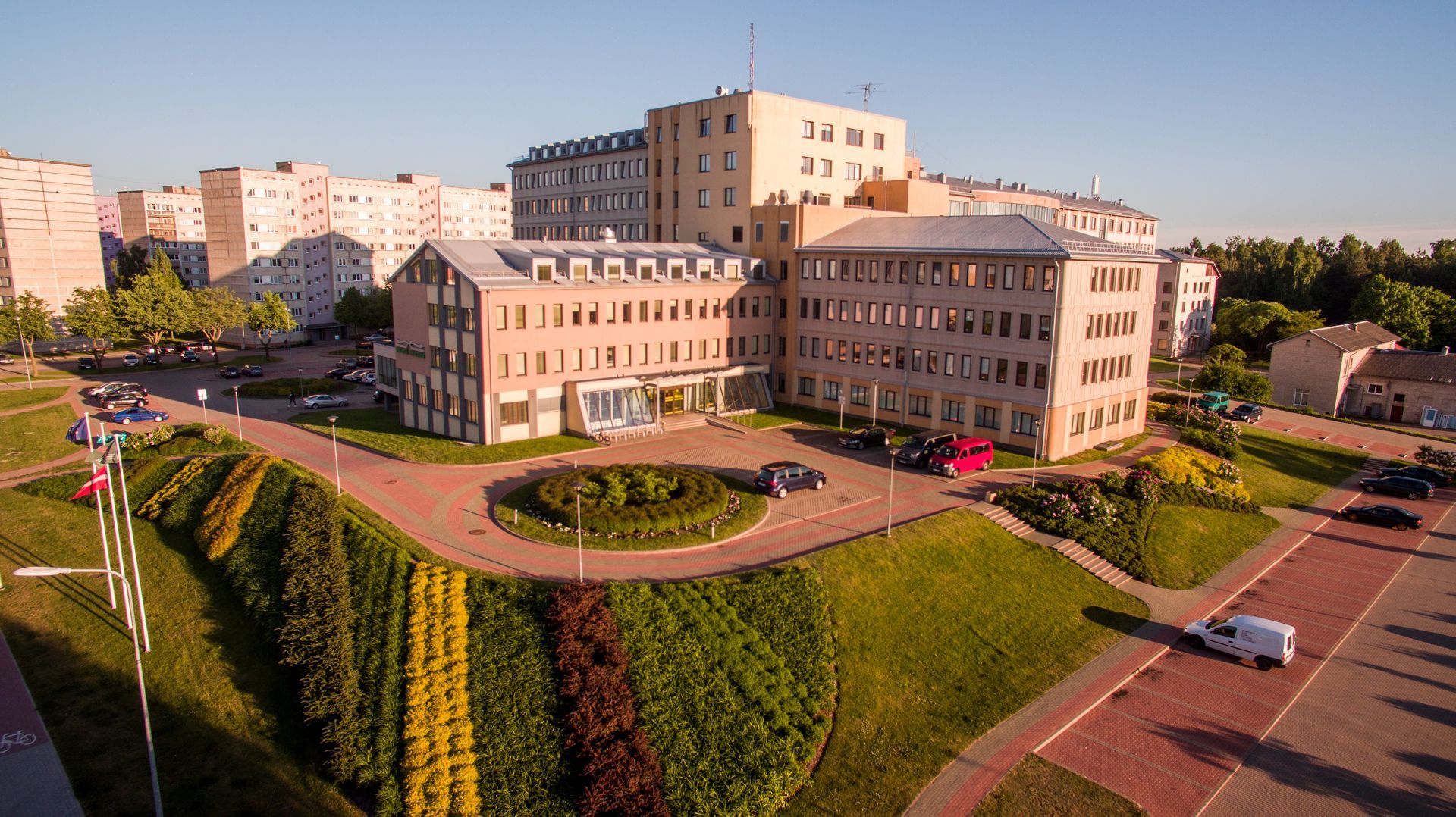
Project implementer: Ventspils University of Applied Sciences
Project funding: 300000 euro.
Project time span: January 1, 2026 – December 29, 2028
Project abstract
Interstellar dust comes in a variety of sizes, shapes, and materials. The diversity of dust composition has been long-known to astronomers but its role in interstellar and circumstellar chemistry has been poorly explored. In particular, dust grains serve as the surfaces for the build-up of interstellar ices, which provided a medium for prebiotic organic synthesis in the Presolar nebula. Grain materials - carbon and various silicates - have different temperatures, molecular surface binding energies, and other properties. Recent results indicate that these properties determine the onset of ice accumulation onto grains as well as the rate of chemical reactions between surface species. Thus, dust made of different materials likely carries varying amounts of ice with different compositions.
The aim of this Project is to create an understanding about ices on different grain populations in the interstellar medium and star-forming regions. For this aim, we will develop the necessary methodology and investigate a few most important aspects for multi-material dust-ice chemistry with numerical simulations. This will help interpreting astrochemical observations of molecules originating in ices and understanding chemical transformation and transport of ices in the inner regions of star-forming cloud cores.
Scientific group
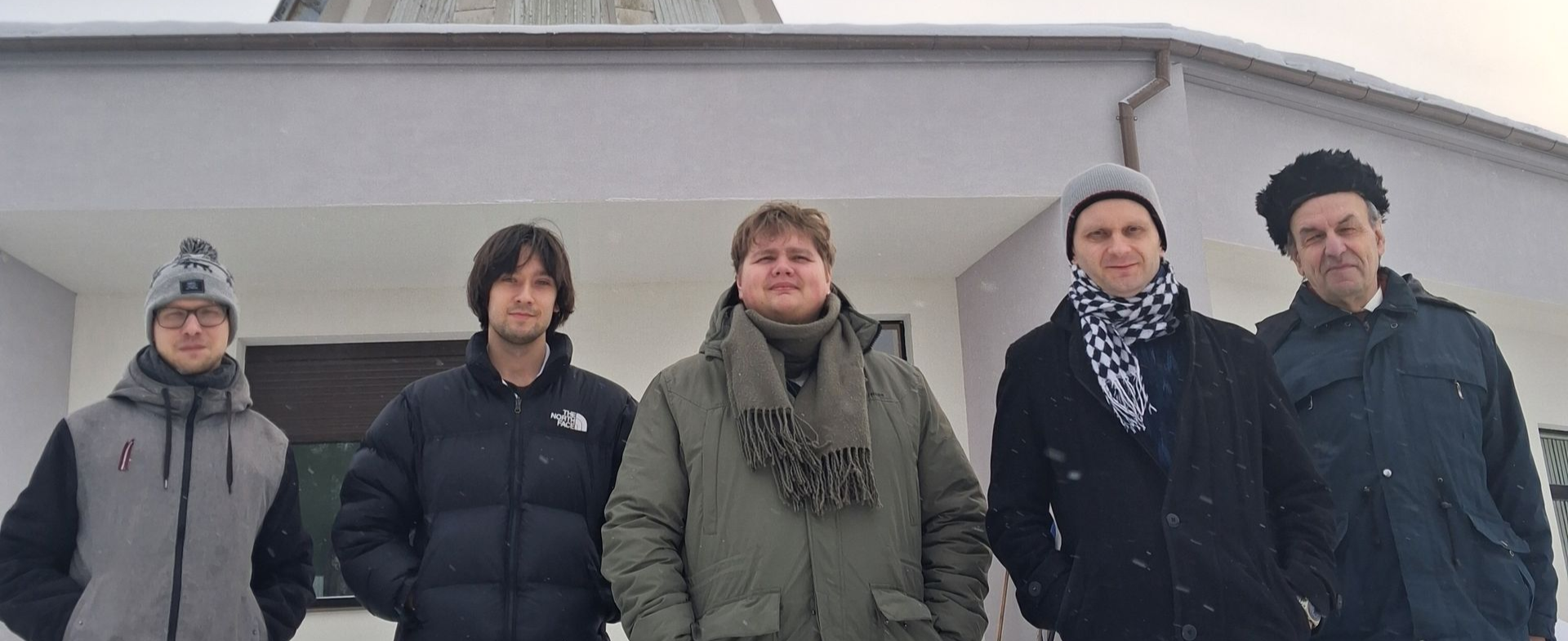
Project scientific coordinator Dr. phys. Juris Kalvāns, leading researcher Dr. phys. Juris Freimanis, and students: scientific assistant, PhD student Kristaps Veitners, Deivis Brakšs, Nikita Muhaņko.
Expected results: four scientific papers and a submitted research project proposal. Additionally, presentations in scientific conferences and popular scientific articles are planned.
Project activities
1. Radiative transfer: interactions between radiation and multi-material dust grains (1–36 project months).
2. Astrochemical methods: adapting and upgrading the numerical model (1–18 project months).
3. Advanced astrochemical modelling studies (19–36 project months).
Contacts
Project scientific manager: Dr. phys. Juris Kalvāns, juris.kalvans@venta.lv
Project administrative manager: Santa Kalvāne,
santa.kalvane@venta.lv
Project news