European Union-funded project “Opticon RadioNet Pilot” concludes at Ventspils International Radio Astronomy Center (VIRAC)
April 16, 2025

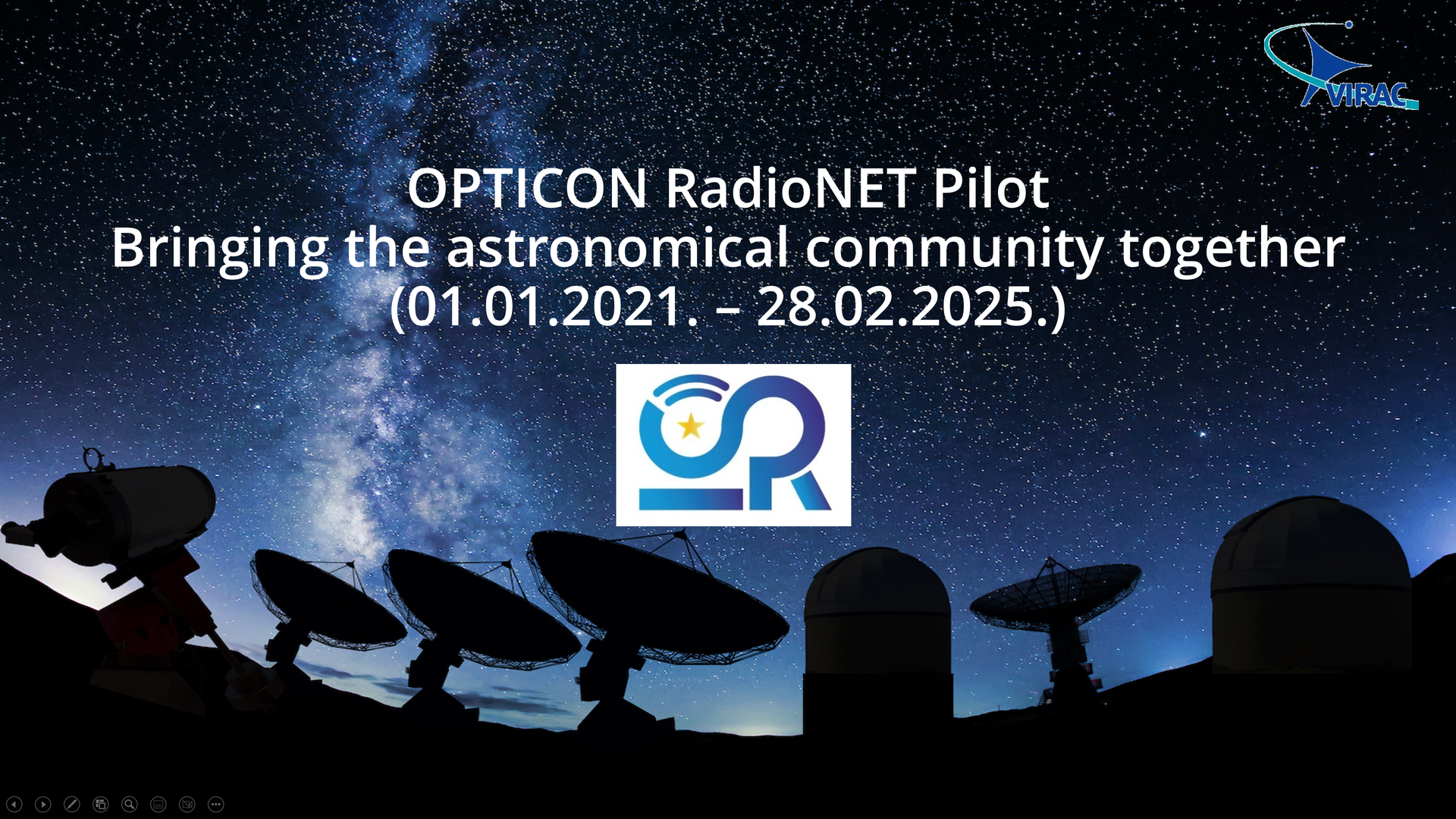
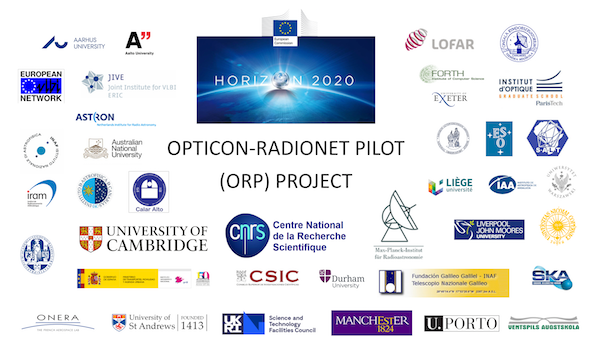
In February of this year, the European Union-funded project “Opticon RadioNet Pilot” No 101004719 (ORP) was successfully concluded at the Ventspils International Radio Astronomy Center (VIRAC), part of Ventspils University of Applied Sciences, located in Irbene, Latvia.


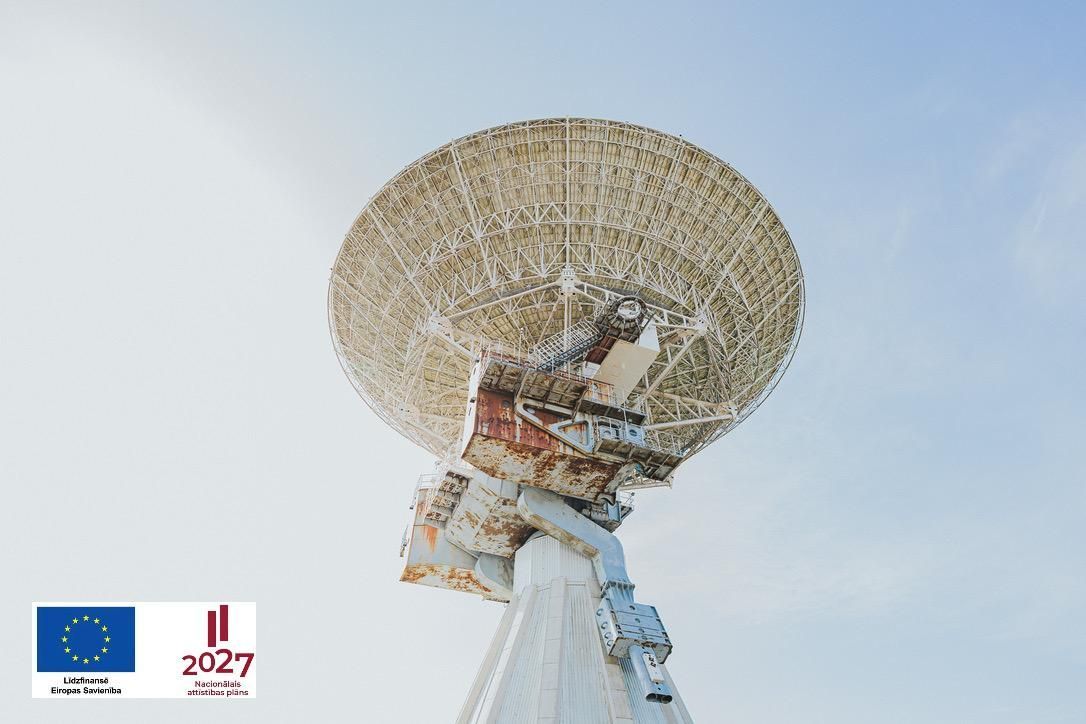
VIRAC is known for its two large radio telescopes – including a 32-meter dish, one of the largest in Northern Europe – which are used to study radio signals from cosmic objects. Given the scale and complexity of space, collaboration has always been essential, and VIRAC has long been involved in international and EU-funded projects. Since 2009, VIRAC has participated in a series of projects under the “RadioNet” umbrella, aimed at strengthening radio astronomy research across Europe by increasing access to facilities, advancing technology, encouraging institutional collaboration, and supporting the growth of young scientists.


The ORP project represented the next step, merging the efforts of radio and optical telescope communities into a single coordinated program. By integrating facilities observing across the radio, sub-mm, infrared, and optical wavebands, ORP enabled seamless access for European researchers to an unparalleled array of observatories.


With a total budget of €15 million, of which €60,000 was allocated to VIRAC and Ventspils University, the project supported VIRAC’s active participation in multiple scientific and collaborative activities.


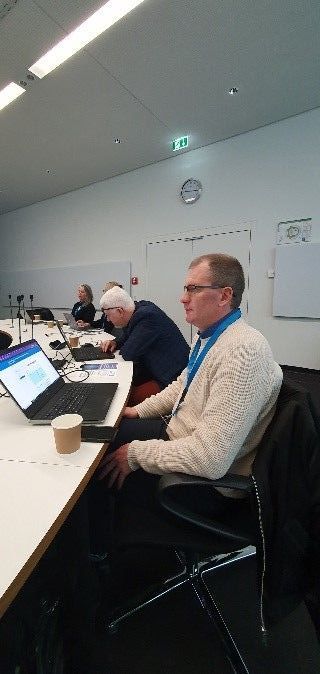
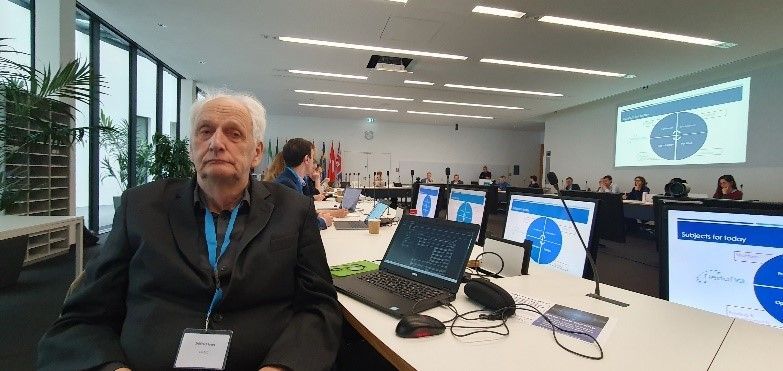
Among these activities, VIRAC regularly participates in EVN (European VLBI Network) observation sessions, held three times a year, as well as in monthly real-time e-VLBI sessions and EVN-lite observations, which serve as supplementary components to the main EVN observation programme. Participation in these activities has been actively supported and facilitated through the ORP (Opticon RadioNet Pilot) project.


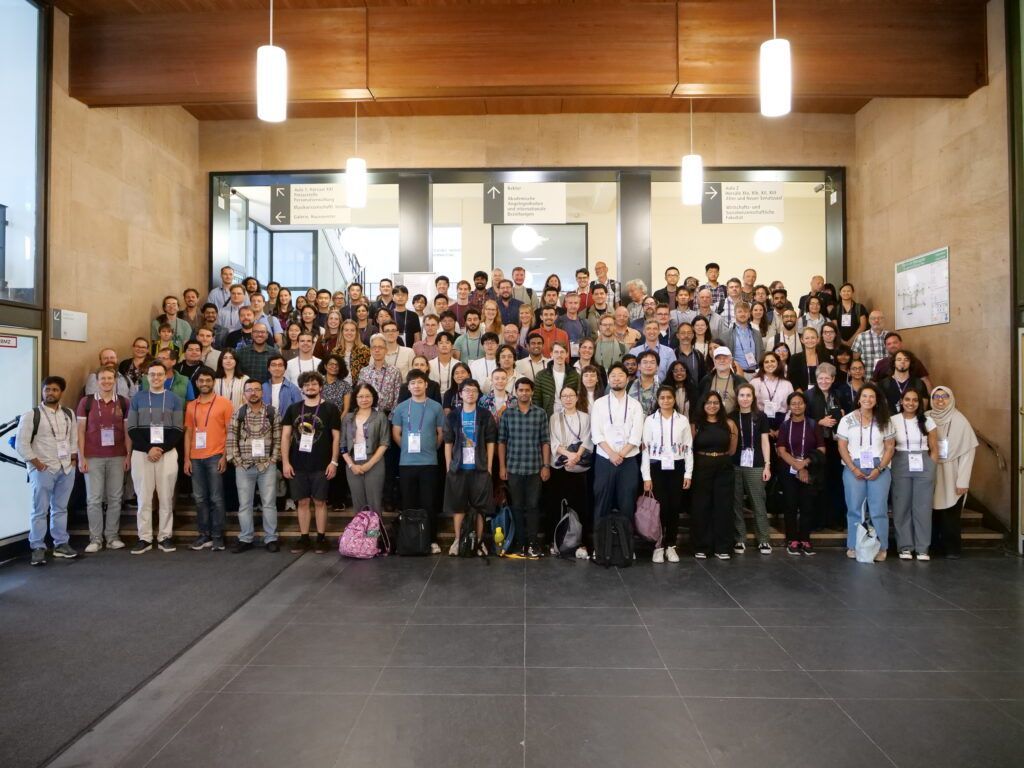
Additionally, VIRAC researchers are actively involved in the international scientific community, regularly attending major conferences and participating in training programs and exchange visits at leading European observatories.


Activities such as transnational access to European ESFRI and ERIC research facilities, training programs, and support for the astronomical community will continue through one of the most significant outcomes of the ORP project—ACME (Astrophysics Centre for Multi-Messenger Studies in Europe). This new initiative aims to integrate not only optical and radio astronomy but also other branches of astrophysical observation, including gravitational waves, neutrinos, and cosmic rays, fostering a truly multi-messenger approach to astronomy.


This project has received funding from the European Union's research and innovation programme HORIZON 2020 under grant agreement No 101004719.


Scientific Project Coordinator: Ivars Šmelds (ivars.smelds@venta.lv)

Administrative Project Manager: Ieva Kozlova (ieva.kozlova@venta.lv)
Share on other platforms

Other news
By Rota Rulle December 8, 2025
On 3 December 2025, the Library of Ventspils University of Applied Sciences hosted a meeting with the distinguished translator Dace Meiere. The meeting and discussion were led by Astra Skrābane. Students and teaching staff of the Faculty of Translation Studies, along with other interested participants, had the opportunity to learn more about Dace Meiere’s translation of Irene Vallejo’s book Papyrus: The Invention of Books in the Ancient World and about translation in general. During the discussion, Astra Skrābane used special memory nodes representing different topics and connecting ancient history with the present. Irene Vallejo’s Papyrus reflects on the link between world history and the present, highlighting how the ideas and beliefs of our ancestors remain present in the 21st century. While it changes and develops, the past still influences us more than we might think. “The book is an extension of memory and imagination,” Astra Skrābane quotes Borges. During the discussion, Dace Meiere shared important reflections and advice, for example, that each language shapes our view of the world differently and that every translated book has a second author, the translator, besides the original author. Dace Meiere also encouraged learning more languages, even just a little, as this knowledge will always come in handy. The translator praised both the book’s author, Irene Vallejo, for her unique sense of wonder about the world, and the outstanding editor, Arturs Hansons, who ensured the quotations from other languages in the book were accurately translated. “The Latvian language is our main tool, and it needs to be nurtured and developed,” emphasised the translator, encouraging students not only to translate but also to read books in proper and rich Latvian. Dace Meiere mentioned that Ventspils is an ideal place for translators and that whenever challenging moments occur during translation (as they often do), it is beneficial to go for a walk. Photo: Ventspils Library The information was prepared by students of the study programme “Translation and Language Technology”, Sanija Zundovska and Sindija Plotniece.
By Rota Rulle December 8, 2025
From November 11 to November 15, 2025, Ventspils University of Applied Sciences Electronics Engineering 3rd year students Rūdolfs Pakalns, Marta Dzelme and 1st year student Kristofers Jēkabs Rozevskis participated in the university alliance "COLOURS" hackathon "Reinforcement Farming", which took place at the University of Osijek in Croatia, at the Faculty of Electrical Engineering, Computer Science and Information Technology (FERIT). The main task of the hackathon was to train artificial intelligence agents as game characters using "stimulated learning" methods. On the last day, the AI characters developed by the teams competed against agents from other teams. Since the Electronics Engineering study program does not include courses that provide in-depth knowledge of artificial intelligence training, this hackathon was a great opportunity to gain additional knowledge that is useful in the rapidly developing field of artificial intelligence and helps to understand how AI, which is often used to facilitate everyday work, works. Rudolf admits that before participating in the project, he didn’t have a clear idea of how artificial intelligence training works; he had only heard about it. But during the hackathon, by actively working in a team and trying to solve real-life tasks, he gained experience in how AI is trained, how it reacts to data, and how to work with it in practical situations. This experience has given him a much more valuable understanding of AI and, in his opinion, is a very useful skill in today's and tomorrow's technology industry. As part of the project, students also attended the event "CoLab – Advanced Technologies for Smart Farming” and Field Study, which included a tour of a livestock farm equipped with several modern robotic devices. The farm is equipped with a robot manufactured by LELY, which prepares and delivers feed to the cows. The cows are monitored by smart collars that identify the cow's ID number, provide early warning of health problems, and collect milking statistics. Milking is also fully automated with a structure that performs milking and care. In addition, this event provided educational lectures on existing robotics and artificial intelligence systems used to improve agriculture, as well as solutions that are currently being developed. “In addition to the hackathon itself, it was very interesting to talk to local students and learn about their study programs and how they acquire STEM knowledge and skills. The local students were very welcoming and enthusiastically introduced us to Croatian traditions and history, adding cultural value to this project," says Marta. Kristofers Jēkabs Rozevskis emphasizes that participating in the hackathon has significantly contributed to his understanding of the principles and practical applications of artificial intelligence. "Knowledge in this field is very important for understanding how, at least in part, the artificial intelligence we work with on a daily basis is created. Although I had previously encountered AI development and theoretical principles, this project gave me a much clearer understanding of the steps and principles of AI training, how AI is taught to perform specific tasks, and which details can lead to incorrect or undesirable results," says Kristofers. As part of the project, students used stimulated learning methods to train agents to operate in a gaming environment, and during practical work, the sensitivity of AI training to the chosen "reward" structure became particularly apparent. "When setting an excessively large 'reward' for an action, the agent tended to 'get stuck' on it. This helped to better understand why some AI tends to make mistakes – perhaps it is more trained on the syntax of a text than on its truthfulness, or vice versa," explains Kristofers. He adds that he is particularly pleased to have the opportunity to share his knowledge and experience on a topic that interests him with both his classmates and students from other countries, strengthening mutual professional and academic cooperation. "This experience has been very valuable and educational, broadening our view of the possibilities of applying smart systems in various industries, so we would definitely take the opportunity to participate in COLOURS or another project again," the students admit.
By Rota Rulle December 6, 2025
In early November, Roberta Šarlote Andersone, a fourth-year student of the study programme “Translation and Language Technologies”, had a great opportunity to join her internship localisation team at the DeepL Dialogues conference in Berlin. The conference focused on the idea of how to be “future fluent” and how artificial intelligence (AI) can help reveal and maximise human potential. Both DeepL’s founder and CEO, Jarek Kutylowski, as well as other DeepL developers and clients delivered presentations by sharing the company’s AI-related future goals, new ideas, and their own experience. The demonstration also featured the latest tools, such as an AI agent, a real-time speech translation system, and a tool designed to maintain consistent style and quality. Šarlote said: “The DeepL conference was an engaging and inspiring experience. I learned a lot about upcoming features that will soon be introduced, as well as ongoing projects that are still in development. I was especially impressed by DeepL’s progress, as I only knew its machine translation tool and was unaware of its other features and business-oriented tools. It was very inspiring to hear how DeepL plans to develop alongside artificial intelligence, and the experience not only expanded my knowledge of translation technologies but also made me think about how AI is transforming the way we work.” The main lesson I learned is that AI is here to stay, and it is important to learn how to collaborate with it so that it supports us rather than replaces us and enhances our strongest skills. I am genuinely happy that I had the opportunity to attend such an event,” notes Šarlote.
By Rota Rulle December 6, 2025
This Wednesday 3rd of December, the final Talks and Tea (former Language Cafe) of the semester brought together around 25 students, both National and International, for a Christmas-themed gathering that blended creativity, cultural exchange, and a relaxed/welcoming atmosphere. The afternoon began with an introduction from our moderator, Liva Slesare, who guided participants through the activities planned. Students then moved through several festive stations designed to encourage conversation, Christmas spirit, and a sense of belonging. The programme included: Christmas Bingo with common words of things that evoke Christmas in Latvian and English, where local students provided clues and internationals had to find them. Paper craft stations, where students made snowflakes and other decorations A gingerbread decorating table, with cookies turning into everything from smiling faces to colourful Christmas trees A tree-decorating corner, where participants added ornaments to create a shared Christmas display A multilingual board where students wrote “Merry Christmas” in their own languages, often accompanied by drawings and personal touches Alongside the structured activities, several moments stood out and added a memorable, lighthearted spirit to the event, for example, when a popular Indian version of a Christmas song began playing unexpectedly during Liva’s moderation, setting off warm laughter across the room. Dylan, being wrapped quite literally like a Christmas present under the Christmas tree, sparked laughter, while young Jēkabs turned the simple act of introducing himself into an ongoing joke by spelling out his name for every curious participant. Board games and informal conversations continued throughout the session, creating a friendly environment where students could relax, connect, and share Christmas traditions from their home countries. This Christmas edition of Talks and Tea reflected what the series has aimed to build all semester: a space that is welcoming, inclusive, and comfortable for everyone who joins. As we close the year, the event served as a gentle reminder of how meaningful small moments of community can be. The event was made possible thanks to the dedicated support of our COLOURS’ EDI Officer Lāsma Ašme, whose ongoing work has helped create a space where international students feel at home and included throughout the semester. Her commitment set the tone for a meaningful and cheerful final session of the year. WP5 wishes all students a Merry Christmas and a Happy New Year. We look forward to welcoming everyone back next semester with the same spirit of openness, inclusion, and togetherness. Foto: Endijs Eihlers 
By Rota Rulle December 4, 2025
On November 20, Aiga Bādere, a lecturer at the Faculty of Translation Studies, visited Brussels to conduct a seminar on post-editese for the Latvian translators of the European Economic and Social Committee and the European Committee of the Regions. As part of her doctoral research, the lecturer has previously conducted similar training seminars, addressing the post-editing of machine-translated texts for Latvian translators, including members of the European Commission’s Directorate-General for Translation, the Latvian Association of Interpreters and Translators, and other participants. According to Aiga Bādere, it is rewarding when a seminar inspires a discussion about the current and future state of the translator’s profession; however, what she enjoys even more is meeting Ventspils University of Applied Sciences graduates in Brussels. The lecturer notes that she managed to see only a small part of the city, yet she was impressed by the glass buildings accommodating numerous EU institutions and by the wealth of multilingualism. Notably, linguistic richness is frequently the factor that creates problems for machine translation, which was covered during the seminar. At the same time, the seminar focused on how machine translation affects the Latvian language.
By Rota Rulle December 4, 2025
On November 27, Ventspils University of Applied Sciences hosted its first seminar "Living and Studying in Ventspils: An Informative Seminar" for international students. The aim of the seminar was to introduce students to general legal provisions, life in the university's dormitory, academic integrity, opportunities at the Ventspils Youth House, and public transport options in Ventspils. The informative afternoon was opened by lecturer and director of the study programs "Intercultural Communication" and "Strategic Intercultural Communication" Rūta Maltisova, and an introductory speech was given by Andris Vaivads, Rector of Ventspils University of Applied Sciences, who inspired students to complete their studies with a diploma in their hands and a smile on their faces. The first speaker at the seminar was Arvīds Šenbergs, a representative of the State Border Guard, who reminded the audience about work permits, general legal regulations, and public order requirements. Elizabete Apiņa-Fleisa, a first-year student of the study program "Intercultural Communication," spoke about the Ventspils University's dormitory. Elizabete refreshed the students' knowledge of the main general rules of conduct not only in their rooms, but also in the common areas. The information was given in Latvian and was translated into English for the foreign students. Also, they had the opportunity to ask questions and receive answers from the administration of the VUAS dormitory. The students were also surprised by representatives from the Ventspils Youth House, Elīna Ērkšķe and Bulut Ergun. The representatives talked about volunteer work at the Youth House and its many opportunities, such as team-building activities and workshops, and encouraged students to get involved in projects and monthly events. Rūta Maltisova reminded foreign students about academic integrity, mentioning how important it is to be honest, fair, and respectful towards one's own and others' work and people. As the afternoon drew to a close, Bogdans Pantejevs, a 4th-year student of the Intercultural Communication study program, gave a presentation on Latvian culture and public transport options in Ventspils. Bogdans encouraged foreign students to try the diverse Latvian cuisine and kindly recommended various public transport apps to make their life in Latvia more convenient. At the end of the event, students had the opportunity to test their knowledge in a Quizzit test created by Līva Slesare, a second-year student of the Intercultural Communication Program, in which the three most knowledgeable foreign students could win Ventspils non-monetary means of payment “Venti”, which offers discounts at various active recreation, entertainment, and tourist sites in Ventspils. Information provided by: Elizabete Apiņa-Fleisa (“Intercultural Communication, 1 st year student)
Other news