Nordic-Baltic Diplomats Inspire VUAS Students
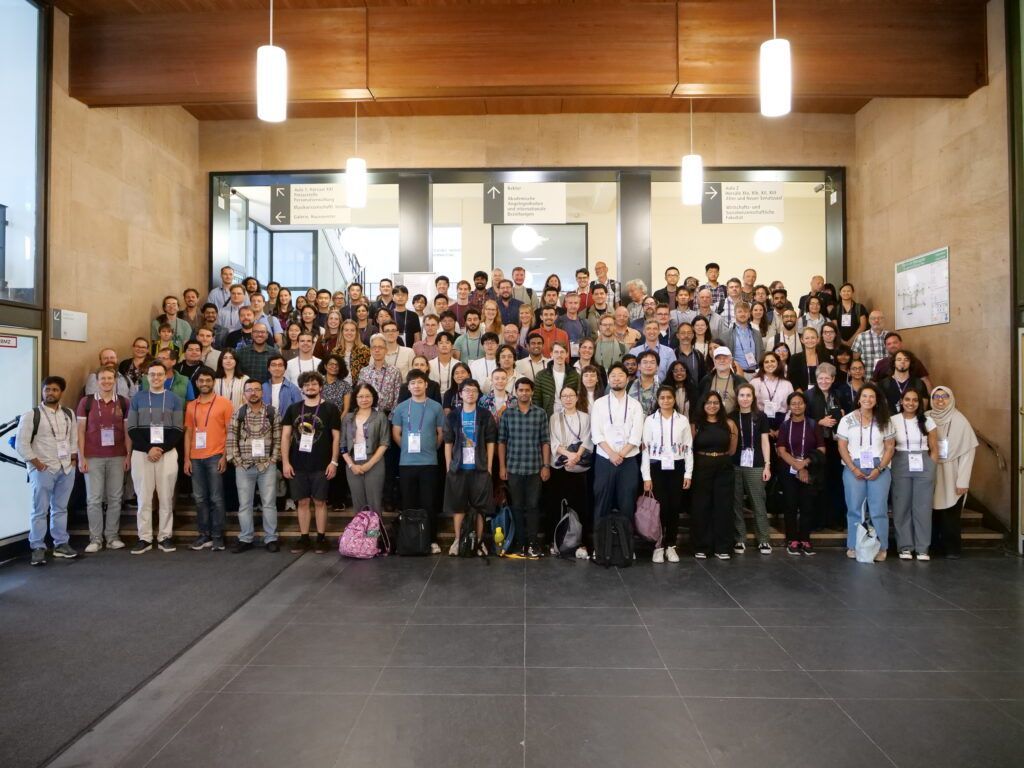
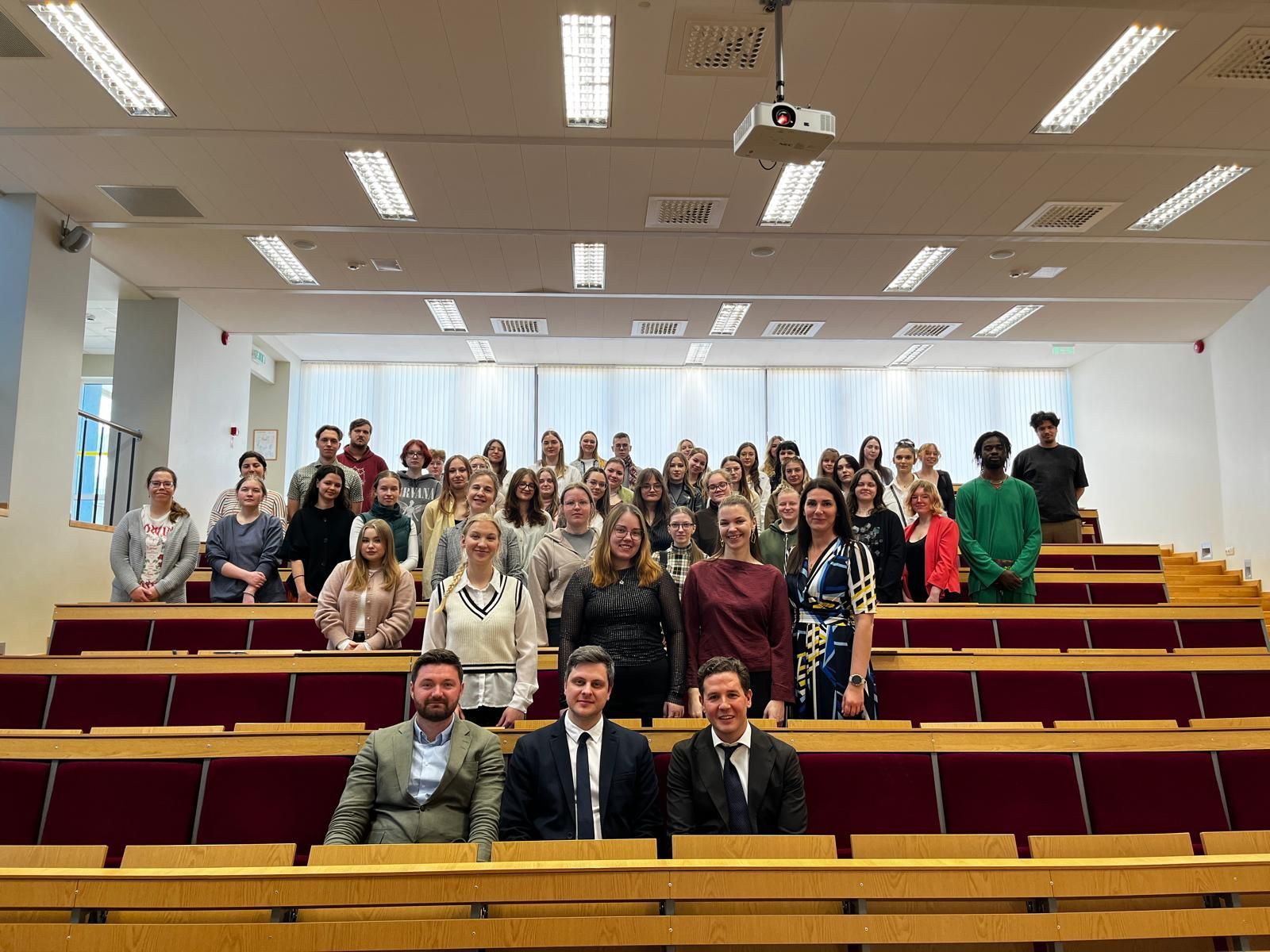
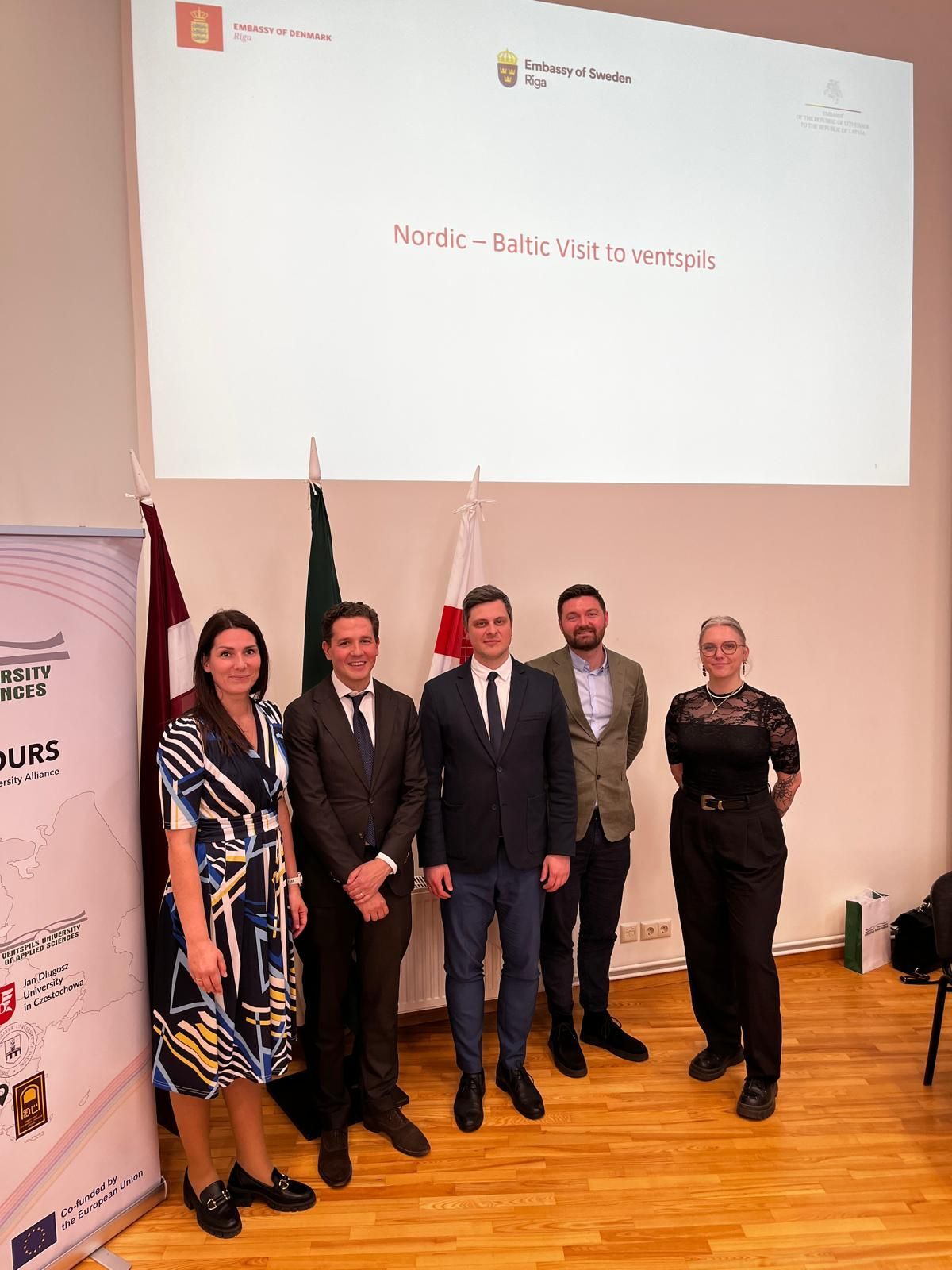
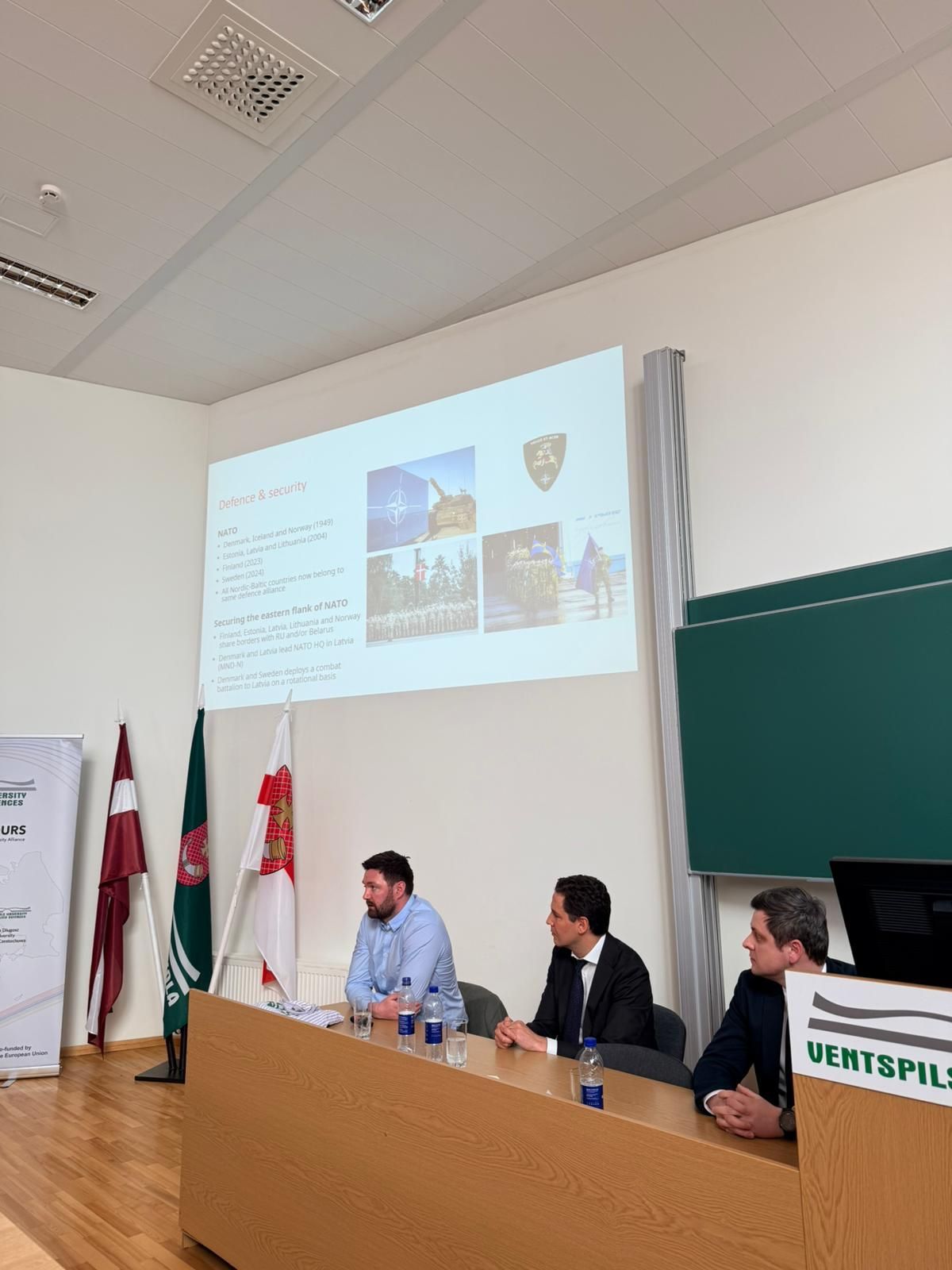
On April 24, Ventspils University of Applied Sciences welcomed Deputy Head of Mission from Embassies of Denmark (Alexander Lemche), Lithuania (Vilius Arlauskas), and 1st Secretary at the Swedish Embassy Hugo Qvinth for a guest lecture that brought global perspectives directly into the auditorium. The diplomatic representatives engaged with students in an open discussion on diplomacy, international cooperation, and the realities of representing one’s country on the global stage.
The visit highlighted the strength of the Nordic-Baltic partnership, often referred to as the NB8, which is an informal yet highly integrated cooperation network of eight countries united by shared democratic values and a commitment to collaboration. As emphasized during the lecture, this alliance of 33 million people demonstrates how countries can achieve more together than alone, becoming not only stronger internally but also more influential internationally.
Students were introduced to the idea that diplomacy is not just about politics, but about people, communication, and responsibility. The diplomats spoke openly about their career paths, stressing that there is no single “correct” background for entering diplomacy. Instead, curiosity, initiative, and a willingness to step outside one’s comfort zone are the key factors.
A recurring theme throughout the session was courage. Students were encouraged to ask questions, seek international experiences, and remain open to change. “Everything comes from curiosity,” Vilius Arlauskas noted, highlighting the importance of exploration both professionally and personally.
The discussion also addressed the realities behind the diplomat's profession. Diplomacy requires adaptability, resilience, and the ability to navigate complex global challenges. From balancing personal life with a demanding international career to representing national interests with precision and responsibility, the speakers provided an honest insight into both the rewards and challenges of the field.
Beyond career advice, the guest seminar emphasized the power of communication. Understanding one’s audience, preparing strong arguments, and delivering clear and precise messages were highlighted as essential skills not only for diplomats, but for anyone working in an international environment. As Hugo Qvinth emphasized, “for a diplomat, the most important thing is to know many languages”, highlighting how language serves as a bridge between cultures and people.
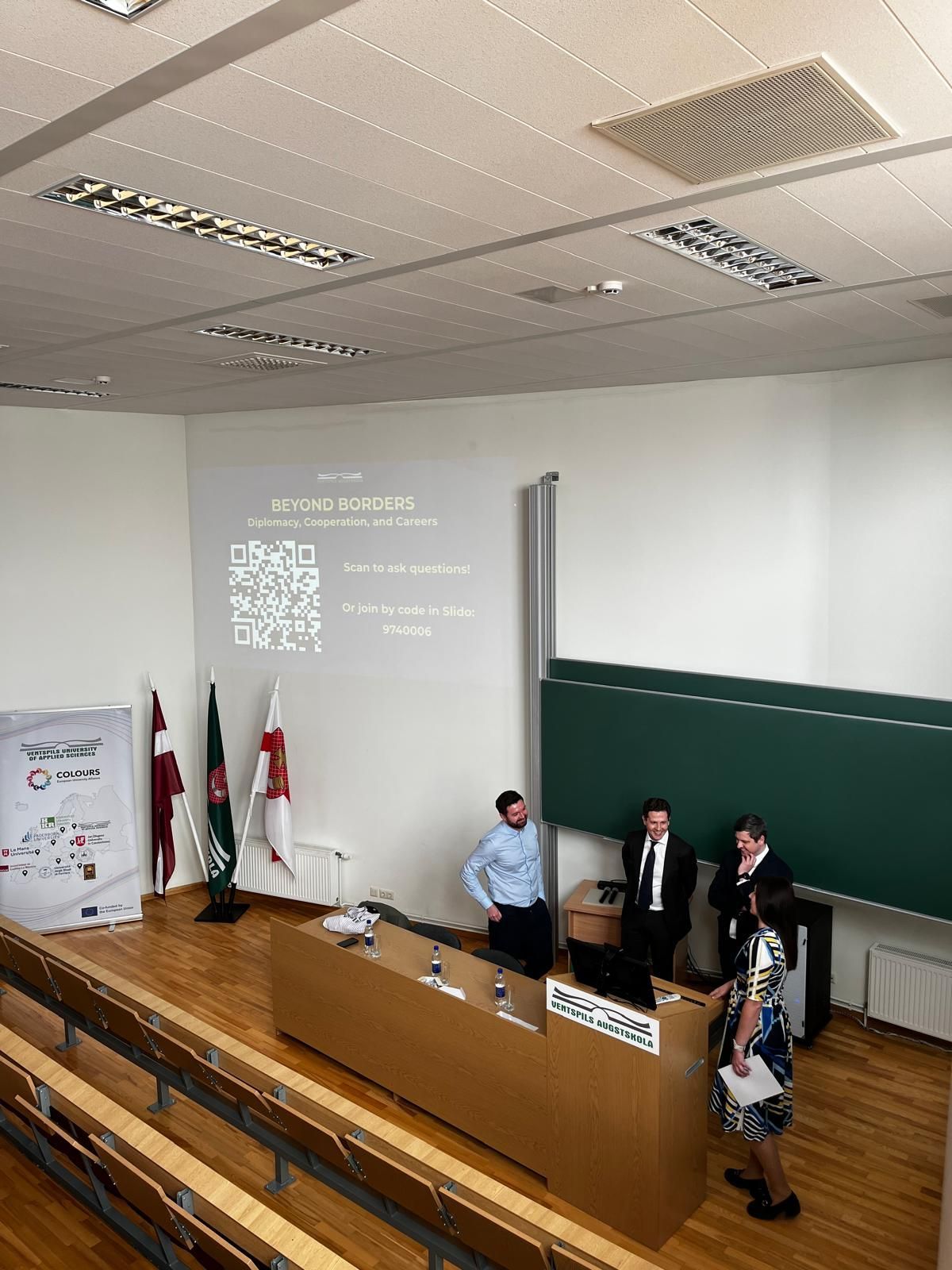
The event concluded with an interactive Q&A session, where students had the opportunity to engage directly with the diplomats, ask questions, and gain personal insights. The atmosphere remained open, encouraging, and genuinely inspiring which left many students motivated to explore international careers and opportunities.
This visit served as a powerful reminder that diplomacy is not distant or abstract – it is built on human connection, curiosity, and the courage to step into the unknown.
Written by:
Elizabete Apiņa-Fleisa (BSP “Intercultural Communication”, 1st year)
Share on other platforms
Other news