Researchers Demonstrate at MarTe Technical Workshop How Simulation Tools Drive Maritime Innovations

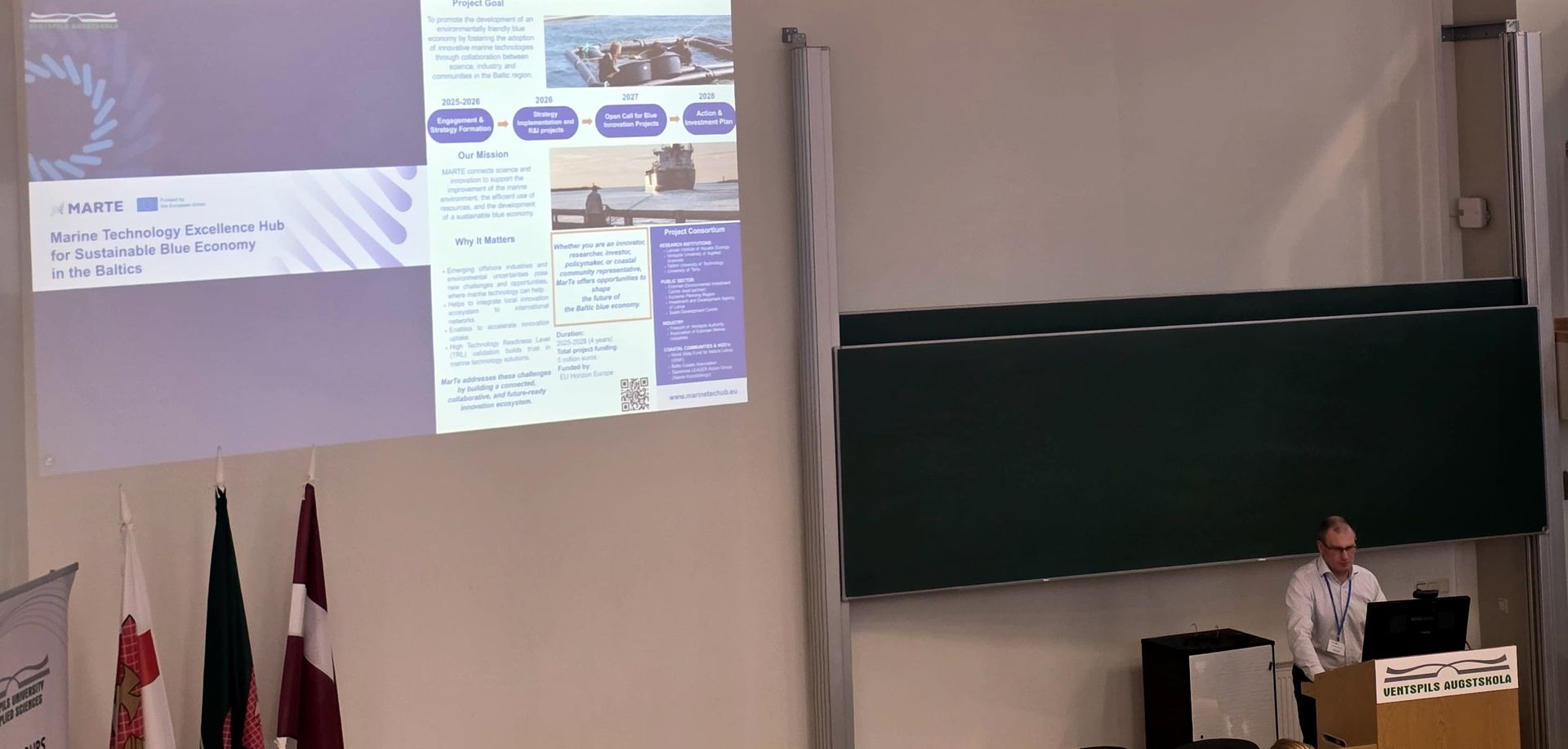
Offshore wind energy, green hydrogen production, sustainable maritime transport, smart port infrastructure, and marine biotechnology are increasingly recognised as key pillars of the sustainable blue economy in the Baltic Sea region, shaping its long-term environmental resilience, energy independence, and economic transformation. At the first technical workshop of the project Marine Technology Excellence Hub for Sustainable Blue Economy in the Baltics (MarTe), held at Ventspils University of Applied Sciences (VUAS), researchers demonstrated how such ambitions depend on advanced physical modelling and simulation tools that bridge research and industrial implementation.
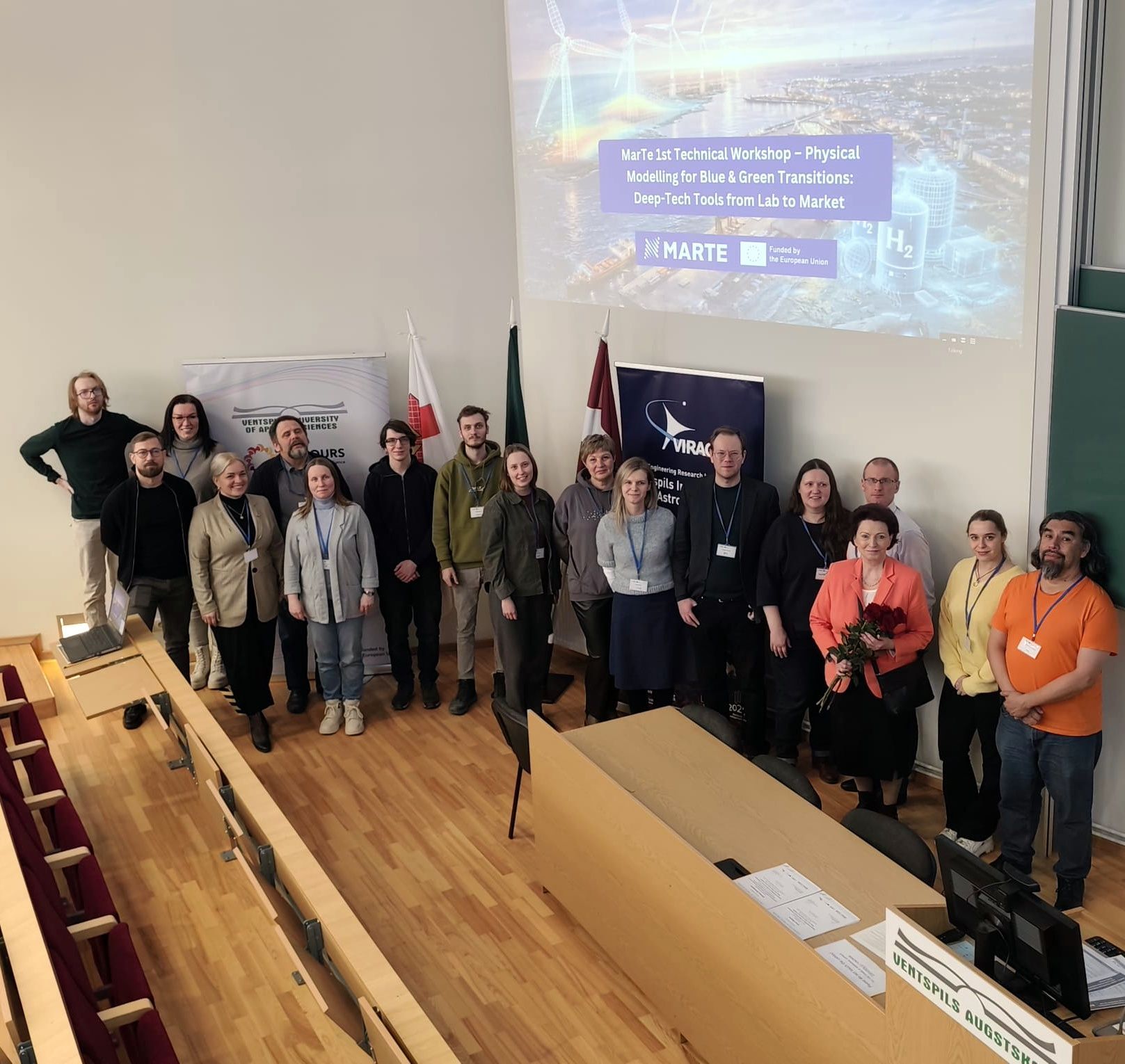
The workshop, titled “Physical Modelling for Blue and Green Transitions: Deep-Tech Tools from Lab to Market”, brought together experts from VUAS, Riga Technical University, the University of Latvia, the UL Institute of Solid State Physics, Latvia University of Life Sciences and Technologies, Tallinn University, and the University of Tartu.
Physical Modelling as a Development Engine
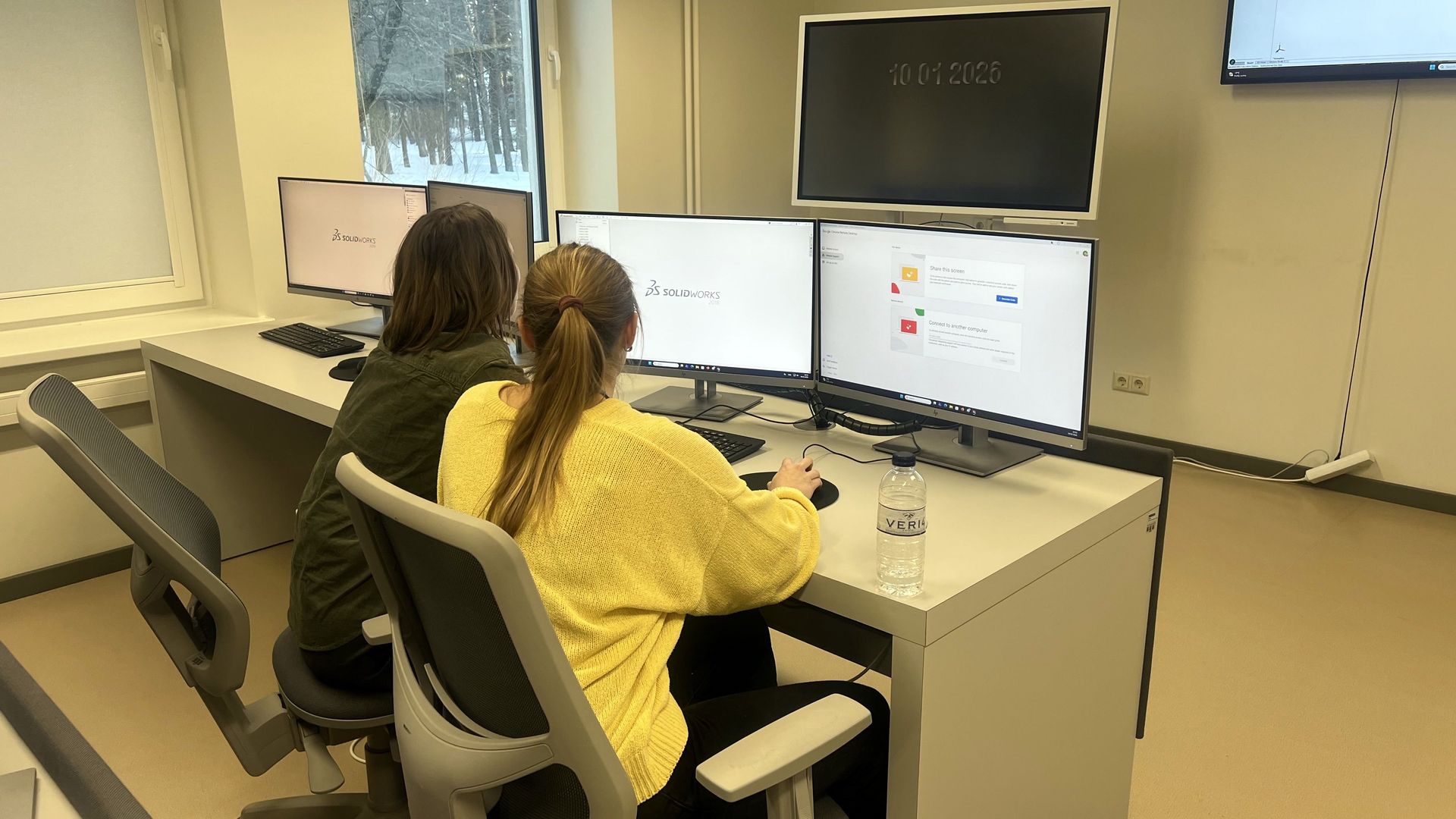
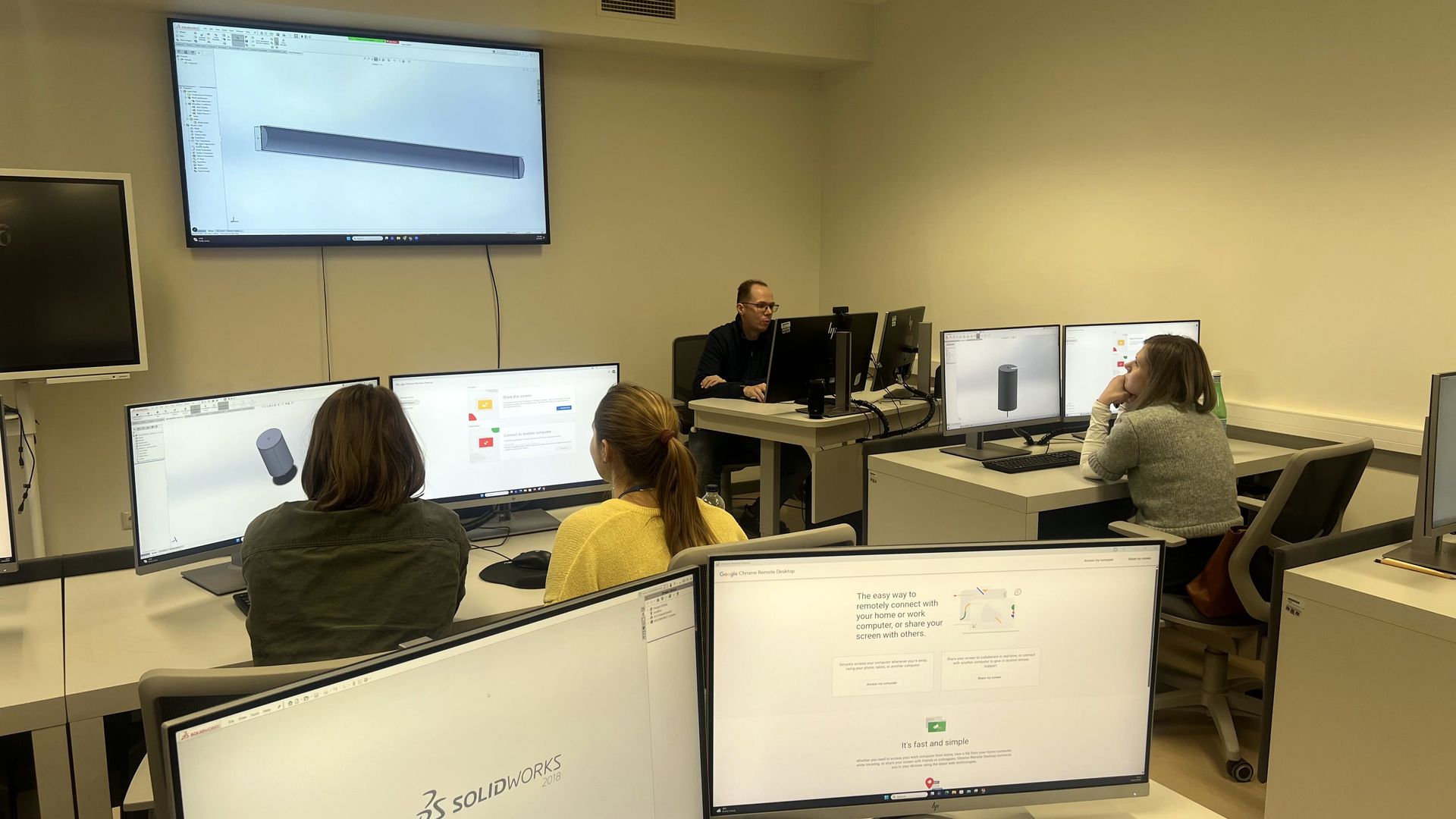
A central theme of the event was the role of numerical simulation in accelerating technological development. Using tools such as SOLIDWORKS, COMSOL Multiphysics, OpenFOAM, and other advanced platforms, engineers can analyse structural behaviour, fluid dynamics, heat transfer, electromagnetics, and multiphysics interactions before building physical prototypes.
“MarTe connects academic staff in Latvia and Estonia with industry, public administration and funding organisations to jointly develop innovation related to the Baltic Sea, coastal regions and ports,” explained VUAS researcher Vladislavs Bezrukovs. “We focus on science-intensive deep-tech solutions that support the green transition and digitalisation, including offshore renewable energy systems, green hydrogen technologies, maritime decarbonisation, smart port infrastructure, environmental monitoring, and bio- and hydro-technologies tailored for the Baltic Sea region.”
Open-Source and Commercial Tools in Practice
Sabīne Upnere (Riga Technical University) demonstrated applications of the open-source computational fluid dynamics toolkit OpenFOAM, highlighting its importance for small and medium enterprises due to the absence of costly licences. She showed how complex wind and water flow phenomena can be modelled in maritime contexts, including structural interaction and thermal processes.
Normunds Jēkabsons (University of Latvia) shared long-term experience in modelling wind turbines, vibration, heat transfer, and industrial flow systems, emphasising the strategic value of open-source tools for research flexibility and innovation capacity building.
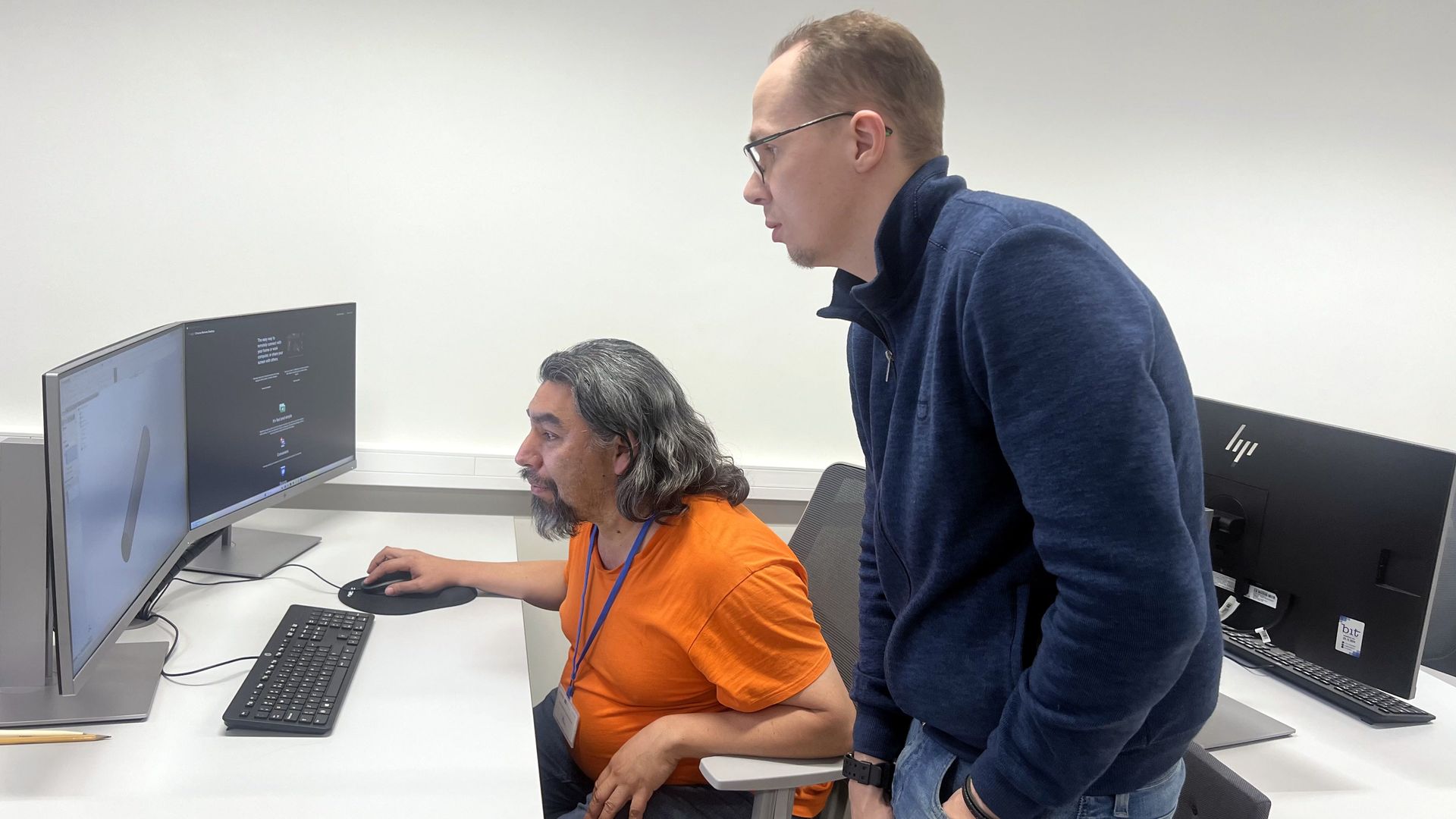
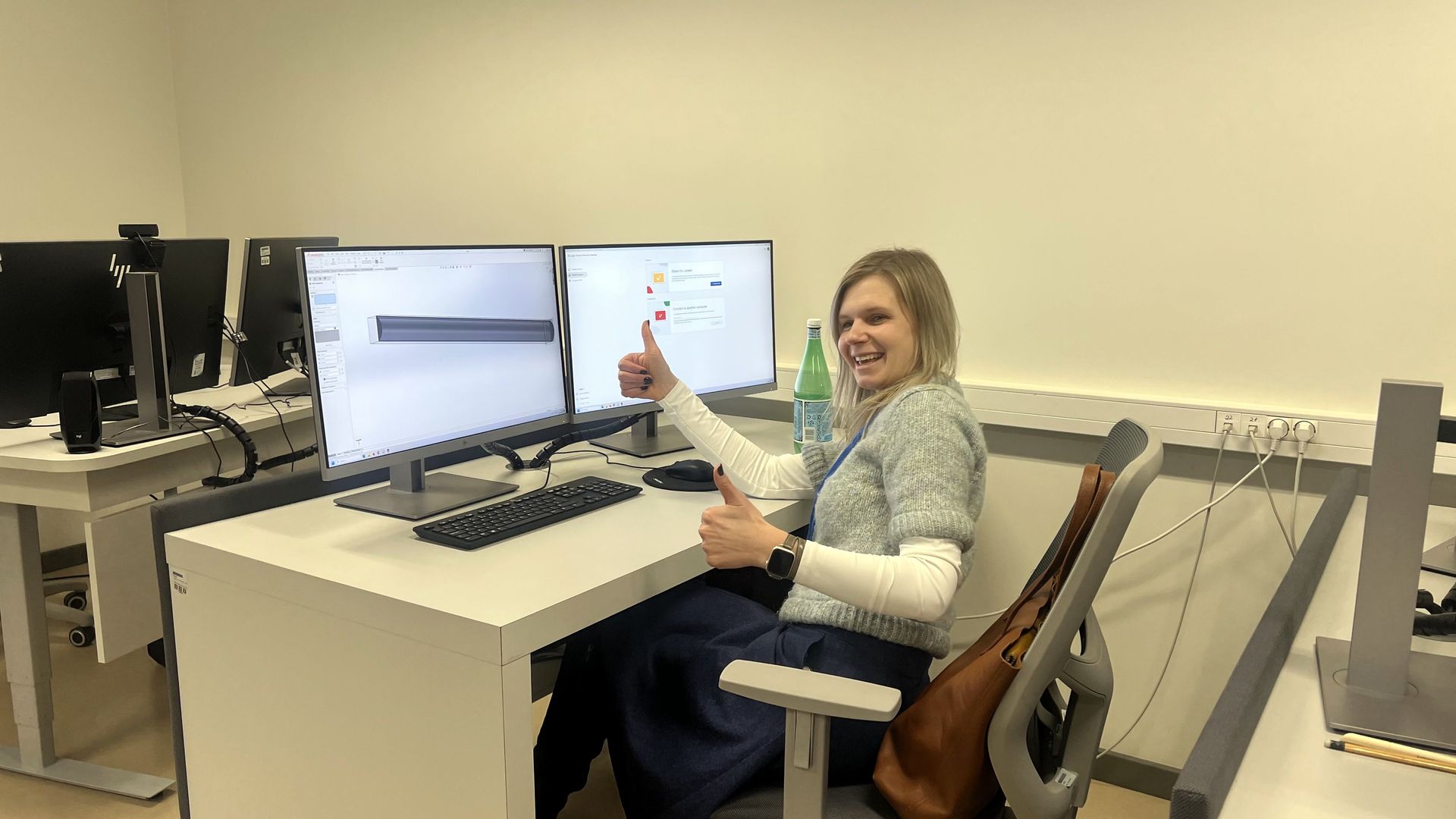
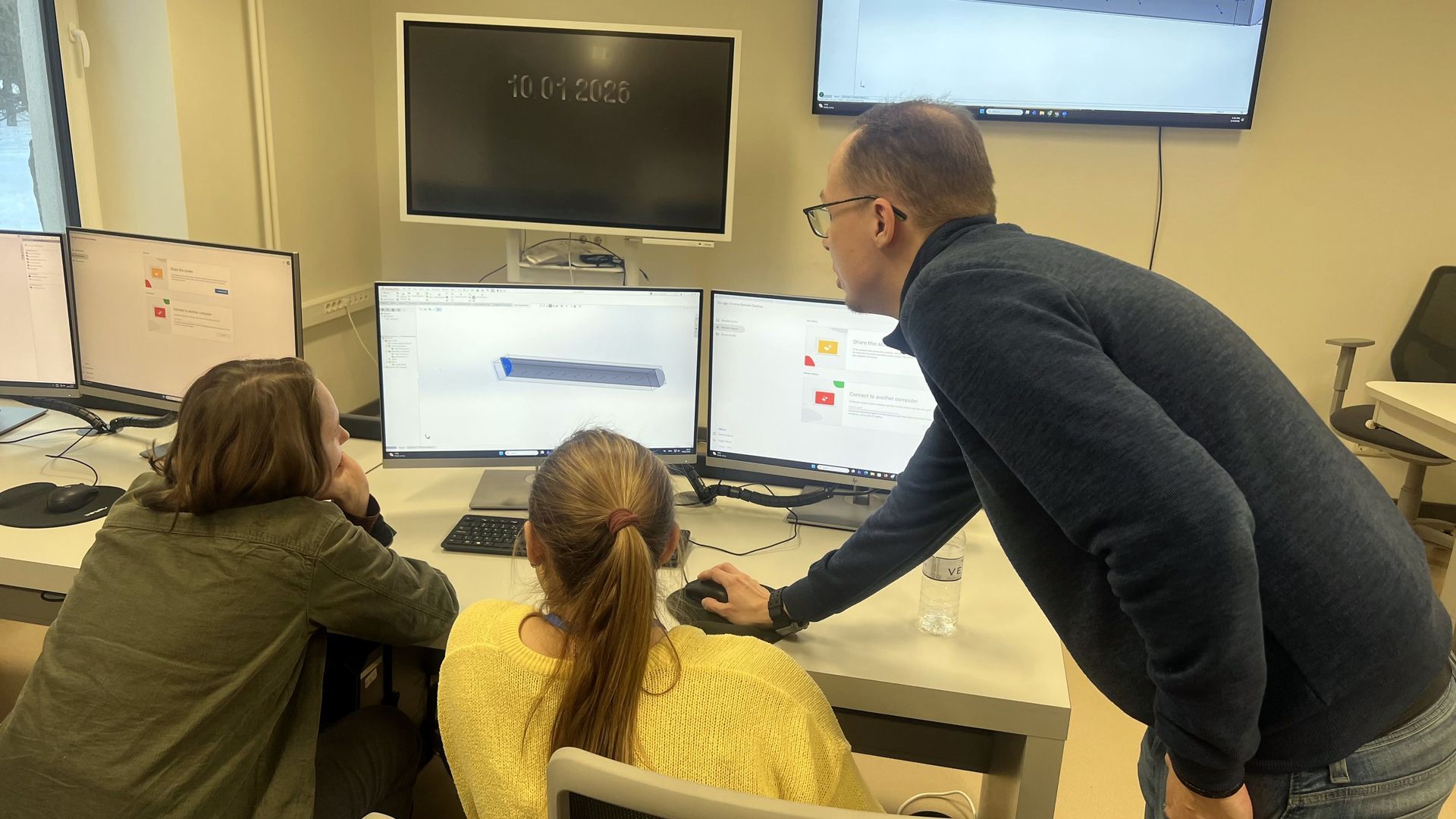
From the commercial software perspective, Martin Johansson and Alex K. Aaskilde (PLM Group Sverige AB) introduced the newest features in SOLIDWORKS, including AI-assisted design functionalities that automate optimisation and reduce development time. They also presented support programmes offering free licences for early-stage start-ups, lowering barriers to innovation.
Modris Dobelis (Riga Technical University) demonstrated how SOLIDWORKS is integrated into engineering education and certification pathways, giving participants hands-on modelling opportunities and illustrating the direct link between academic training and industrial competence.
Marina Konuhova (Institute of Solid State Physics, University of Latvia) demonstrated how multiphysics simulation in COMSOL enables the modelling of strongly coupled physical processes in liquid–hydrogen systems, including thermodynamic, fluid dynamic, and mechanical interactions relevant to renewable energy and industrial hydrogen applications. Her presentation illustrated how advanced numerical modelling supports optimisation of compression processes, improves system safety and efficiency, and reduces development risks at early design stages.
Vladislavs Bezrukovs (VUAS) showcased the application of electromagnetic (EM) simulations in EMWorks for analysing field distribution, induced currents, and performance constraints in linear generator systems. The presentation emphasised how accurate modelling of complex geometries and realistic boundary conditions is essential for predicting electromagnetic behaviour, optimising generator efficiency, and ensuring reliable operation in demanding engineering environments.
Modelling for Safety, Environment and Green Transition
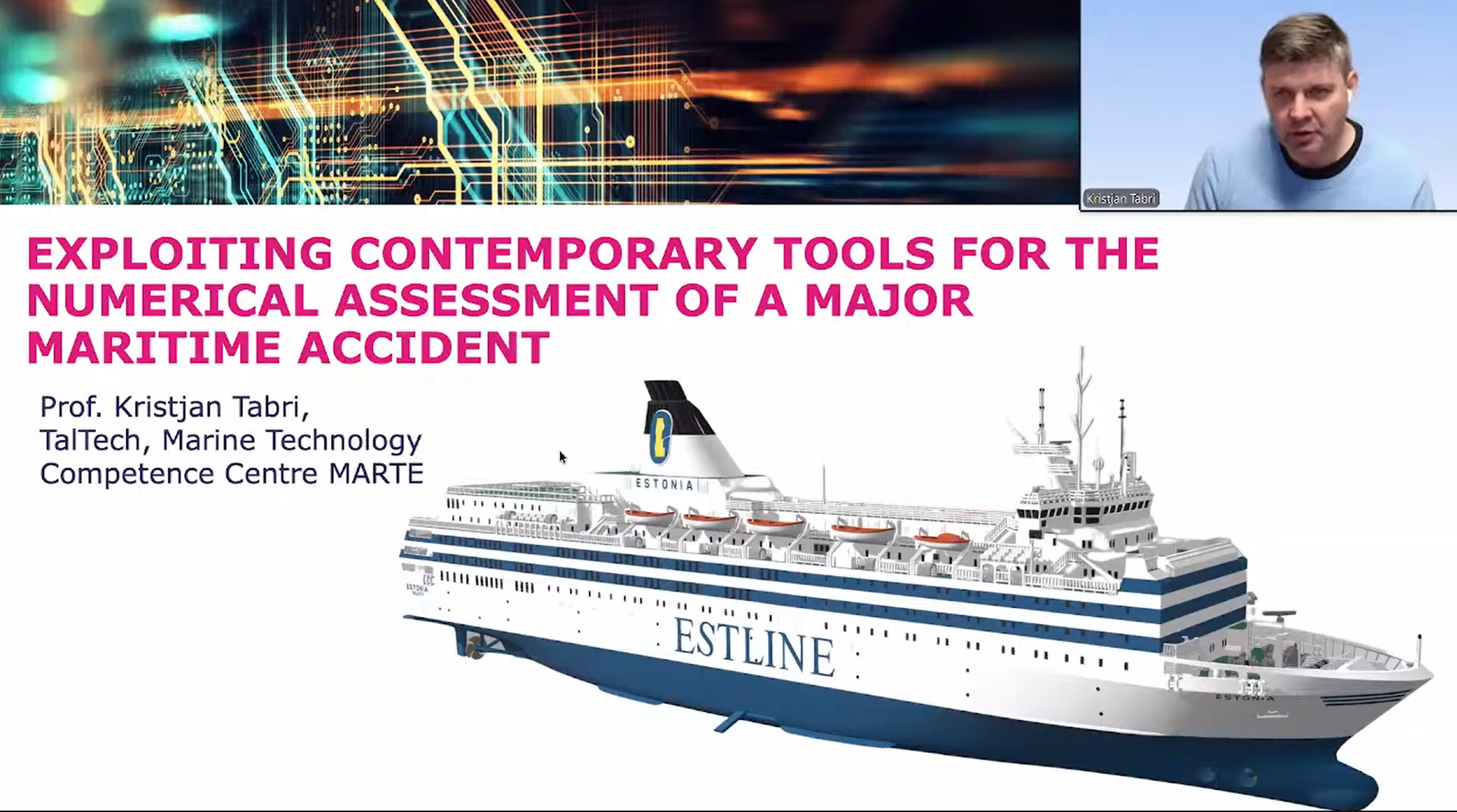
Kristjan Tabri (Tallinn University of Technology) presented a comprehensive numerical reconstruction of the MS Estonia ferry disaster. His work illustrated how structural modelling and load simulations can deepen understanding of ship failures and contribute to maritime safety standards.
Environmental forecasting was addressed by Uldis Bethers and Tija Sīle (University of Latvia). They presented modelling systems that predict wind, wave, and hydrodynamic conditions without direct measurement, supporting port operations and coastal risk management.
From the industry perspective, Laura Apoga (LVR Flote Ltd) delivered an overview of maritime innovation within Latvia’s fleet modernisation efforts. She presented examples of hybrid vessel implementation, operational optimisation, and collaborative models between public institutions and industry partners. The talk highlighted practical pathways for introducing greener propulsion systems and improving coastal support services.
Andrejs Zvaigzne (Riga Technical University) showcased the development of zero-emission hydrogen fuel cell fishing vessels, discussing technical integration and regulatory challenges for decarbonising Baltic maritime transport.
Andrejs Krauklis (Latvia University of Life Sciences and Technologies) discussed modelling of hydrothermal ageing and polymer degradation, critical for assessing long-term material reliability and environmental pollution risks.
Aleksejs Zolotarjovs (Institute of Solid State Physics, University of Latvia) presented the Spectromarine case study – a successful example of bringing laboratory-developed water monitoring technologies to market through strategic niche positioning.
From Digital Design to Sustainable Blue Economy
Across all presentations, one message was clear: physical modelling is not an auxiliary tool but a core driver of innovation. By combining structural simulations, hydrodynamics, energy systems modelling, and environmental forecasting, researchers can move efficiently from theoretical concepts to industrial prototypes.
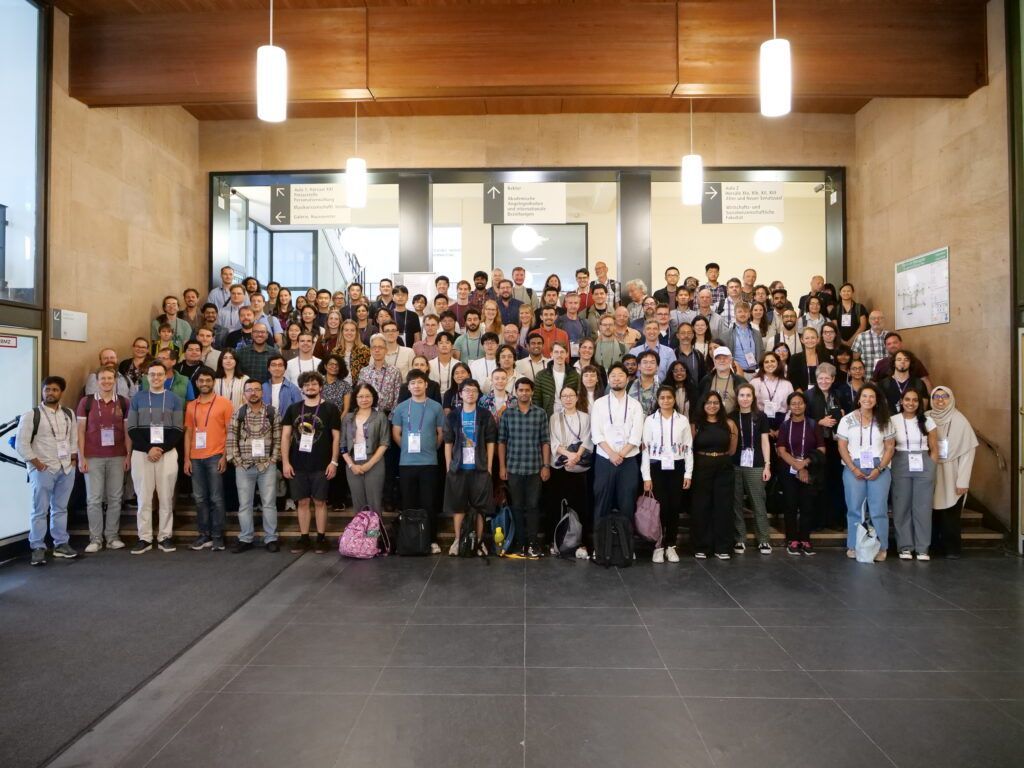
The workshop, which was attended by more than 50 participants both in person and remotely, demonstrated how simulation technologies underpin the transition to a sustainable blue economy in the Baltic region – enabling safer ships, greener propulsion systems, optimised port operations, and advanced marine materials.
Recorded presentations from the MarTe technical workshop are available on YouTube allowing a broader audience to access the knowledge shared during the event.
MarTe continues to strengthen collaboration between Latvia and Estonia, aligning academic expertise with industry needs and supporting the development of deep-tech solutions for the Baltic Sea region.
MarTe project: Marine technology excellence hub for sustainable blue economy in Baltics (European Commission – Horizon Europe, HORIZON-WIDERA-2023-ACCESS-07-01. Nr. 101186498.
Share on other platforms
Other news