Scientific Seminar at VIRAC Brings Together Researchers to Study Solar Activity and Space Weather

March 9, 2026

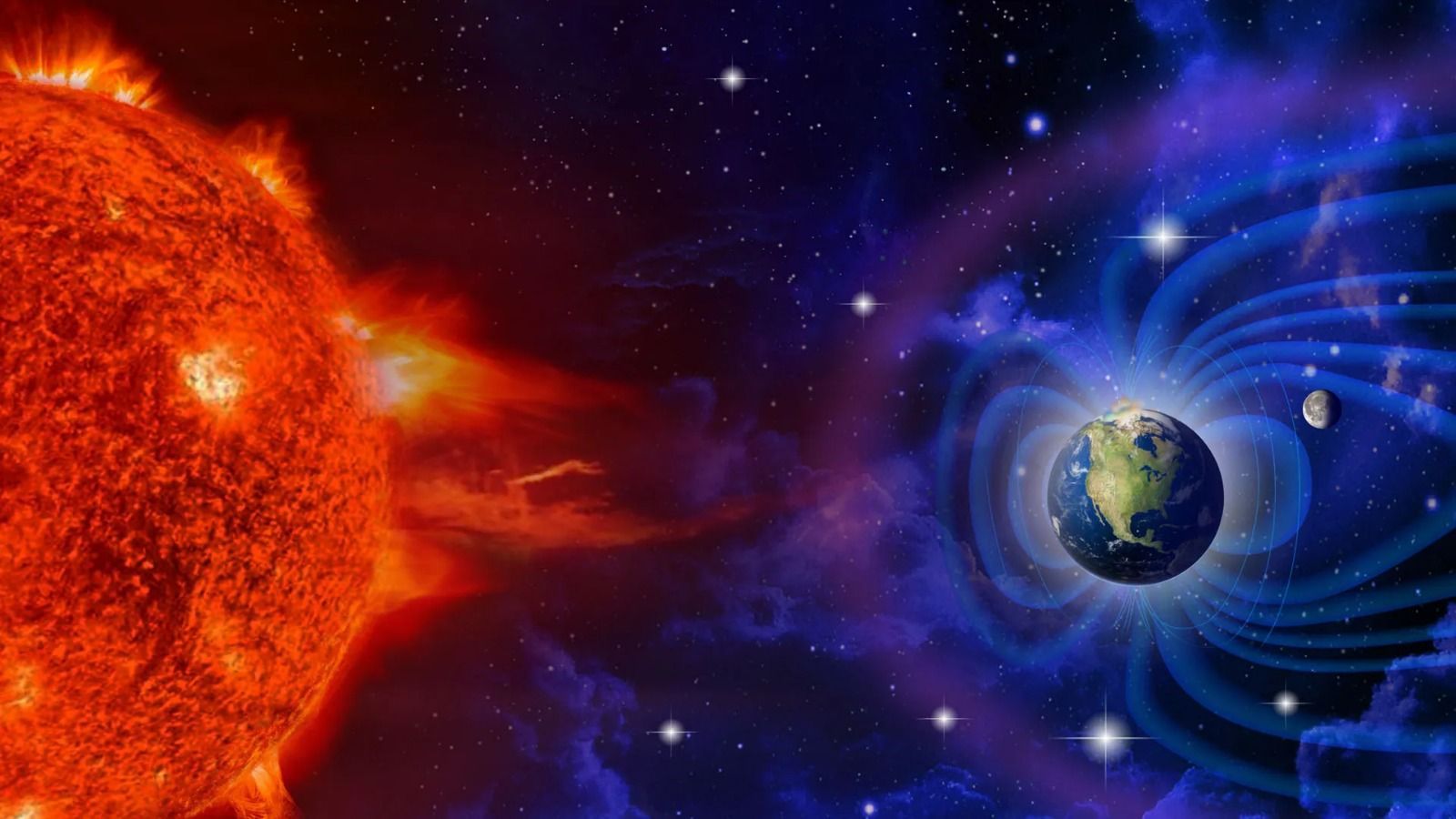
The Sun has recently passed the peak of its activity cycle, and energetic events occur on its surface almost every day, including solar flares and coronal mass ejections (CMEs). These phenomena directly affect Earth’s magnetic field and ionosphere, creating space weather conditions that can disrupt satellites, communications, and navigation systems.


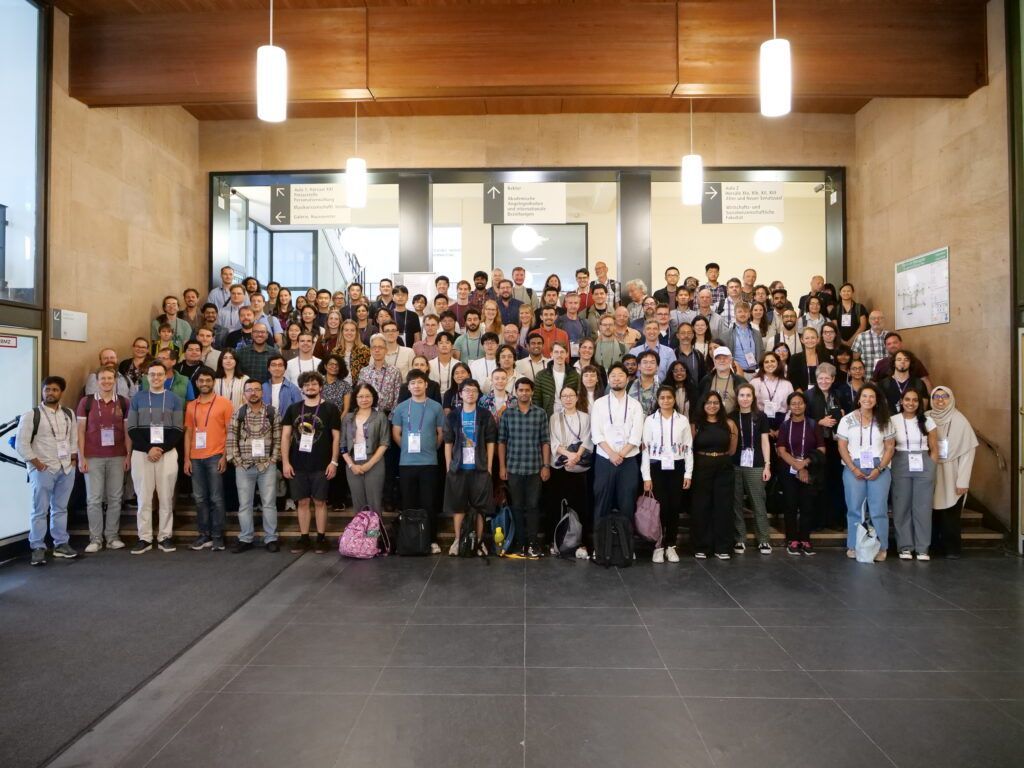
These topics were discussed at a seminar held at the Ventspils International Radio Astronomy Centre (VIRAC) on 26 February 2026, organized within the framework of the LOFAR-ERIC initiative. The seminar brought together scientists from Ventspils University of Applied Sciences (Latvia), the Institute of Radio Astronomy and the Institute of Geophysics of the National Academy of Sciences of Ukraine, Odesa I. I. Mechnikov National University (Ukraine), and the Sodankylä Geophysical Observatory of the University of Oulu (Finland).


During the seminar, participants discussed recent results in geomagnetic data analysis and studies of ionospheric processes. One presentation demonstrated an automated approach to processing geomagnetic data from the international INTERMAGNET station network, enabling more efficient analysis of large datasets collected from multiple observation stations.


Researchers also presented the first results from observations of the annular solar eclipse on 17 February 2026, using the “Mayaki” geomagnetic station in Ukraine and the URAN-4 decameter radio telescope. These observations help investigate the influence of solar activity on Earth’s magnetic field and the dynamics of the ionosphere.


Another presentation introduced preliminary results from observations of a strong geomagnetic storm near the meridian of the Struve Geodetic Arc. Researchers compiled digital data from 16 geomagnetic stations and analysed variations in the geomagnetic field during intense magnetic storms in January and November 2025. These data will form the basis for the geomagnetic component of a space weather monitoring system and will contribute to a better understanding of changes in Earth’s magnetic field.


The seminar emphasized the importance of an interdisciplinary approach in space weather research. Increasingly, studies rely on integrated observation methodologies that combine radio astronomy observations, geomagnetic field measurements, and cosmic ray data. This approach enables more accurate analysis of ionospheric processes and the effects of solar activity on the near-Earth space environment.


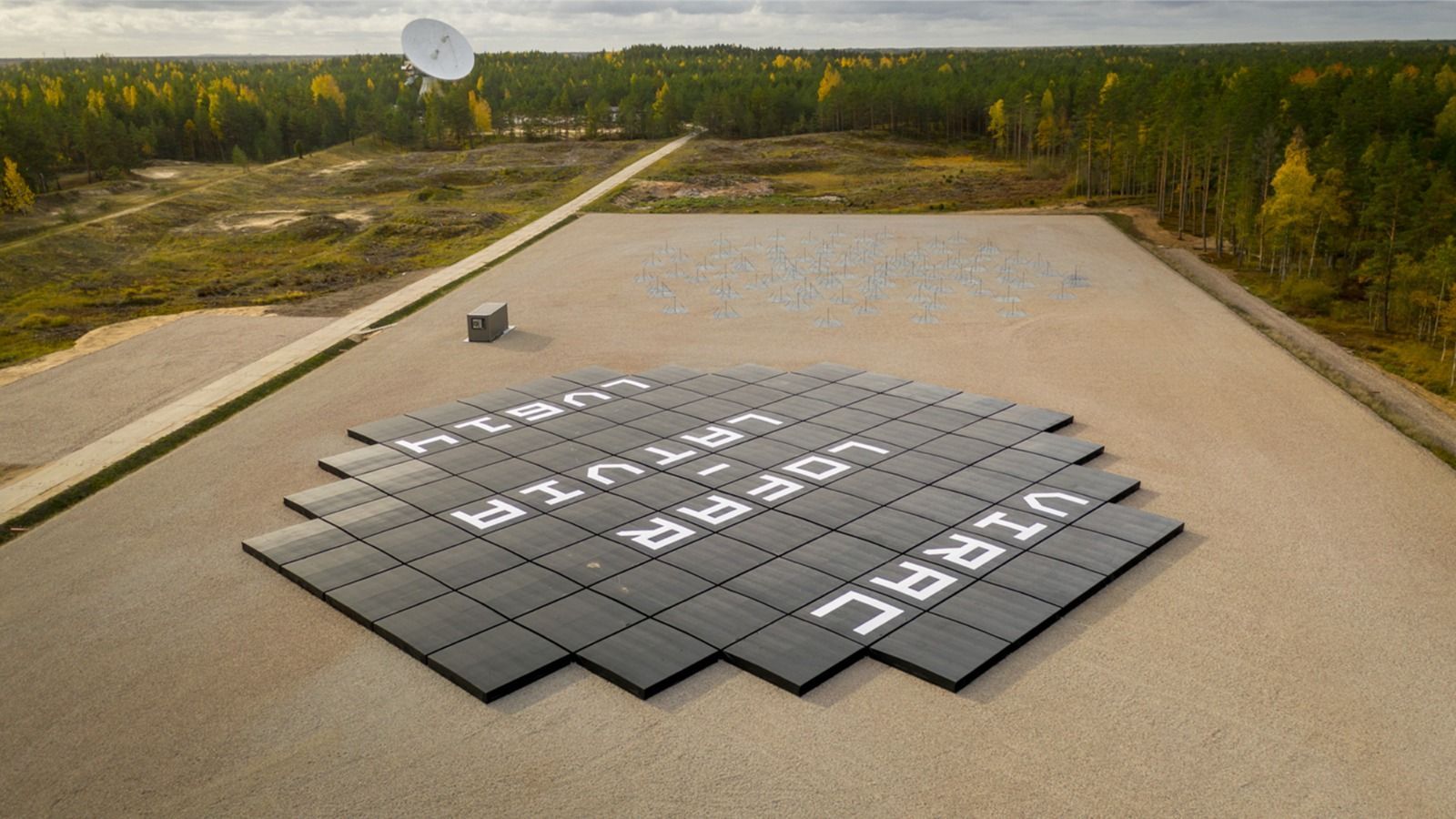
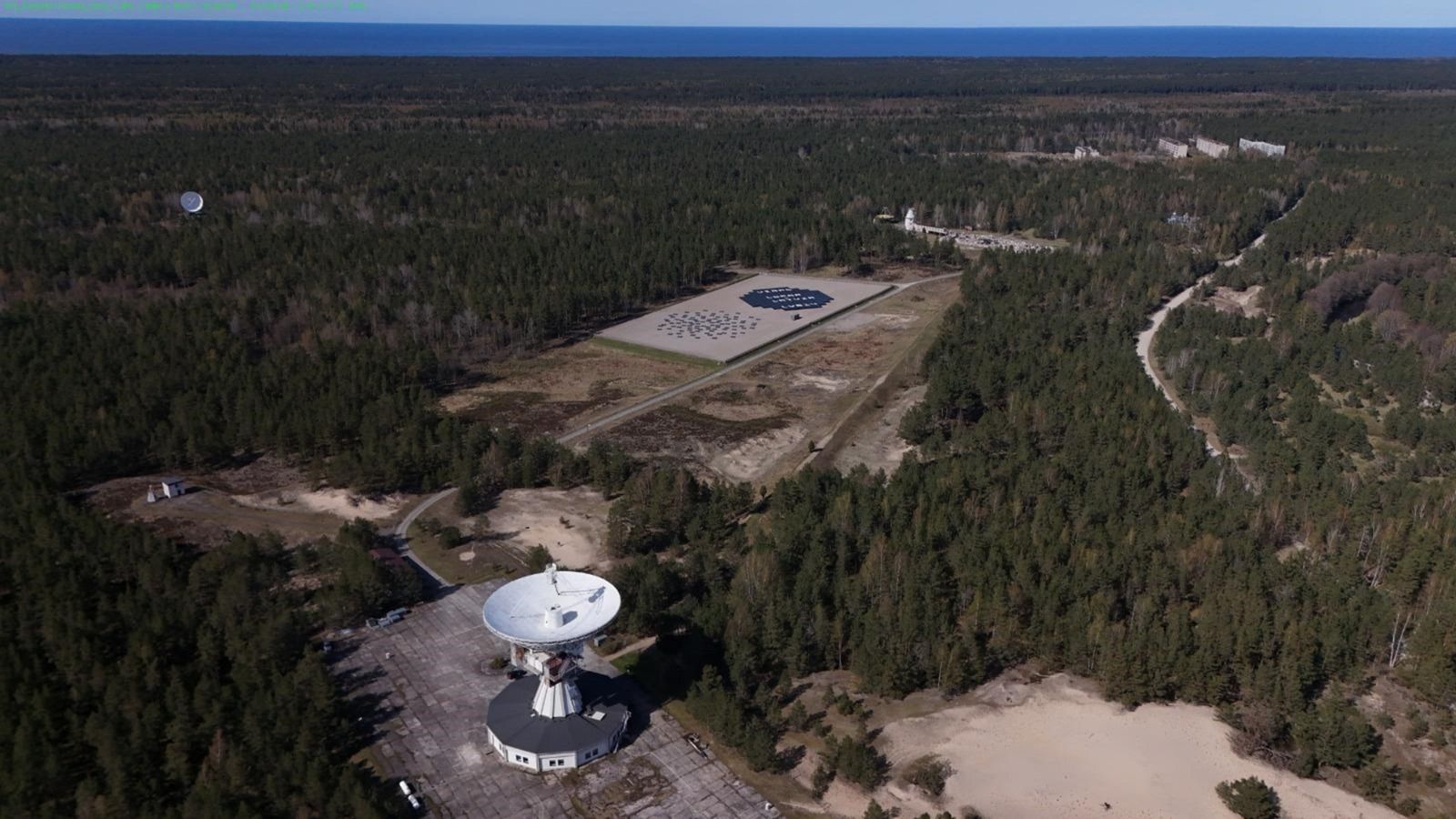
International research infrastructure plays a significant role in these studies. Observations are conducted using the LOFAR LV614 station in Irbene (Latvia), the KAIRA antenna array (Finland), and the URAN-4 radio telescope (Ukraine). Particular attention is paid to observations of ionospheric scintillations from strong cosmic radio sources during periods of intense solar activity, as well as to the influence of geomagnetic anomalies on these processes.


The research also covers space weather effects in the region of the Struve Geodetic Arc, which connects Latvia, Finland, and Ukraine. Of particular importance in this region is the Odesa regional magnetic anomaly, where unique geomagnetic conditions may amplify the effects of solar activity on the ionosphere.


The seminar was organised within the framework of the project “Ventspils University of Applied Sciences` International Cooperation and Innovation for the Development of Latvia’s Smart Specialisation” (No. 1.1.1.5/3/25/I/012), co-financed by the European Regional Development Fund.
PRESENTATIONS

Share on other platforms

Other news
By Rota Rulle March 10, 2026
On Monday, March 3rd, the latest Talks and Tea session gathered around 16 participants, including international students, Erasmus+ students, and local students, for a relaxed afternoon focused on the theme “Festivals.” The event aimed to create a welcoming environment where students from different backgrounds could meet, exchange experiences, and build a stronger sense of community. The session began with a short introduction to several Latvian celebrations connected to the traditional sun year, highlighting a few interesting customs during these festivities. Following the introduction, participants divided into small discussion groups where they shared festival traditions from their own countries. These conversations created a lively exchange of ideas and experiences, allowing students to discover both differences and similarities between cultures. Beyond learning about traditions, the event’s main focus was bringing people together. Through informal discussions over snacks, students had the opportunity to connect, practice intercultural communication, and build friendships in a welcoming and inclusive space. The Talks and Tea series continues to support community building, inclusion, diversity, and cooperation between international and local students. By creating opportunities for dialogue and shared experiences, the events help strengthen connections within the student community and encourage a sense of belonging for everyone involved.
By Rota Rulle March 10, 2026
On March 5–7, 2026, the Latvian Academy of Sciences hosted the 8th International Forum of Humanistic Economics “ Innovative Economy in a Time of Geopolitical Change ”, dedicated to the 80th anniversary of the Latvian Academy of Sciences. Researchers from Ventspils University of Applied Sciences, Professor Una Libkovska and doctoral student Monta Anšica, participated in the forum, presenting research findings on the importance and development of management competences as a strategic investment in the development of organizations operating in knowledge-intensive sectors and promoting sustainable development, within the framework of the State Research Programme project “Elaboration of evidence-based solutions for effective professional competence development of adults and assessment of the transfer of its results into practice in Latvia” (VPP-IZM-Izglitiba-2023/4-0001). The main objective of the forum defined the promotion of dialogue between science, business and policy makers in search of solutions for sustainable economic growth, the development of innovation and the acquisition of new export markets. The forum brought together scientists, entrepreneurs, policymakers, investors and international experts from European, American and Asian countries to discuss the importance of innovation in economic development in a time of change. During the discussions, special attention was paid to the development of education and human capital, the introduction of science-based innovations, attracting investments and the development of competitive projects in Latvia and Europe. During the forum, plenary sessions were held in which international experts analysed global economic development trends, the importance of innovation in technological advancement, and the role of human capital in ensuring sustainable growth. The programme also included thematic workshops and discussion sessions addressing current issues related to economic development, including the role of artificial intelligence and high technologies in shaping modern economies. Scientists from different countries, innovation policy experts, entrepreneurs, and representatives of the academic community participated in the discussions, fostering international exchange of experience and strengthening cooperation. The insights gained at the forum promote the use of research results in practice and help to develop knowledge transfer, which is essential for strengthening the competitiveness of the Latvian economy.
By Rota Rulle February 27, 2026
The TALKS & TEA afternoons are starting again! Next week on Tuesday we invite YOU to a cozy tea afternoon with activities to learn new Latvian words and to connect with local students! This time we will talk about festivals and celebrations we have in Latvia but, of course, we are also excited to hear about the festivals that you celebrate! Everybody is welcome to join! Where & when? Date: 3rd March 2026 Time: 17:00 Place: D103 We are looking forward to seeing you and your friends!
By Rota Rulle February 25, 2026
Last weekend, the TechChill Student Challenge 2026 took place in Riga, bringing together motivated students to experience the fast-paced world of startups. We are proud that 16 students from Ventspils University of Applied Sciences participated in the 24-hour hackathon, while three students from the Start-up Management programme were part of the organizing team, contributing to the successful delivery of the event. During the challenge, participants formed teams, developed business ideas, validated their concepts, and presented their solutions to a professional jury, all within just 24 hours. Hackathons provide a valuable opportunity for students to apply their knowledge in practice, strengthen teamwork and problem-solving skills, and develop an entrepreneurial mindset. The jury consisted of industry representatives: Luīze Dārta Sietiņa (TechChill), Āris Brenčis (NGL Ventures), Velma Linko (Junction), Lev Bass (Hukt AI), and Sigvards Krongorns (Verge HealthTech Fund). Their expertise provided valuable feedback and real-world insight into the startup ecosystem. Among the participants, 4th year Start-up Management student Kate Liepa and her team achieved 2nd place, receiving tickets to Latitude59. You can read her reflections on the experience here: https://www.linkedin.com/posts/kate-liepa-77168b24b_techchill-student-challenge-has-come-to-ugcPost-7431977095171371009-OA0U We are proud of our students for their initiative, engagement, and strong representation of the university.
By Rota Rulle February 23, 2026
As of January 2026, the Fundamental and Applied Research Programme of the Latvian Council of Science project No. lzp-2025/1-0065 “Multi-material Dust Astrochemistry (DACE)” has commenced. The research is being carried out by staff of the Astronomy and Astrophysics Department at the Engineering Research Institute “Ventspils International Radio Astronomy Centre” (VIRAC) of Ventspils University of Applied Sciences. The scientific significance of DACE lies in its novelty. It has long been known that within the Solar System and in the wider cosmic space of our Galaxy and beyond there exist tiny solid grains – interstellar dust. They have a varied chemical composition, albeit two classes of materials dominate: silicate minerals (rock) and carbon (soot). This diversity of dust is taken into account in several subfields of astrophysics, such as physics of the interstellar medium physics and cosmochemistry (the science of the origin of the compounds and elements that formed the Solar System). However, in astrochemistry – which studies molecular transformations in the interstellar medium – the varied composition of dust has so far been largely ignored. Nevertheless, it may be significant, as many important chemical transformations in space occur on dust grain surfaces. Within DACE, we will investigate how differences in interstellar dust materials – including temperature, surface adsorption (molecular sticking) properties, and other parameters – affect the chemical composition of interstellar nebulae. Starting in January, leading researchers J. Kalvāns and J. Freimanis began work on the DACE project, conducting preliminary studies as well as initial scientific and administrative planning and preparation. Full, coordinated, and active research began in February with the formal involvement of students. On February 18, the project’s opening seminar was held, during which two key research directions were defined: calculating temperatures for dust grains in interstellar clouds embedded in cosmic radiation fields, and adapting a new reaction database for astrochemical calculations. After the seminar, project participants visited VIRAC radio telescope complex in Irbene (see photo).
By Rota Rulle February 20, 2026
What is the PhD experience like elsewhere in Europe?  The Doctoral Breakfast offers all PhD candidates from the universities of the COLOURS European Alliance a dedicated space to meet, share experiences, and broaden their perspectives on doctoral studies. This monthly online event provides a welcoming environment for informal discussions, the exchange of good practices, and the emergence of new ideas. The objective is promote and prepare international mobility experiences for teaching or training, to build connections, encourage dialogue, and foster peer-to-peer exchanges at the European level. It is also an opportunity to explore different approaches to doctoral studies, enrich one’s scientific reflection, and begin building a European research network from the start of an academic career. Upcoming sessions: Monday, 27 April – 9 to 10 :30 AM, CIeL meeting room and online https://short.univ-lemans.fr/DoctoralBreakfast-27april Friday, 29 May – 9 to 10 :30 AM, CIeL meeting room and online https://short.univ-lemans.fr/DoctoralBreakfast-29may
Other news