Students Matched With Colours

November 10, 2024

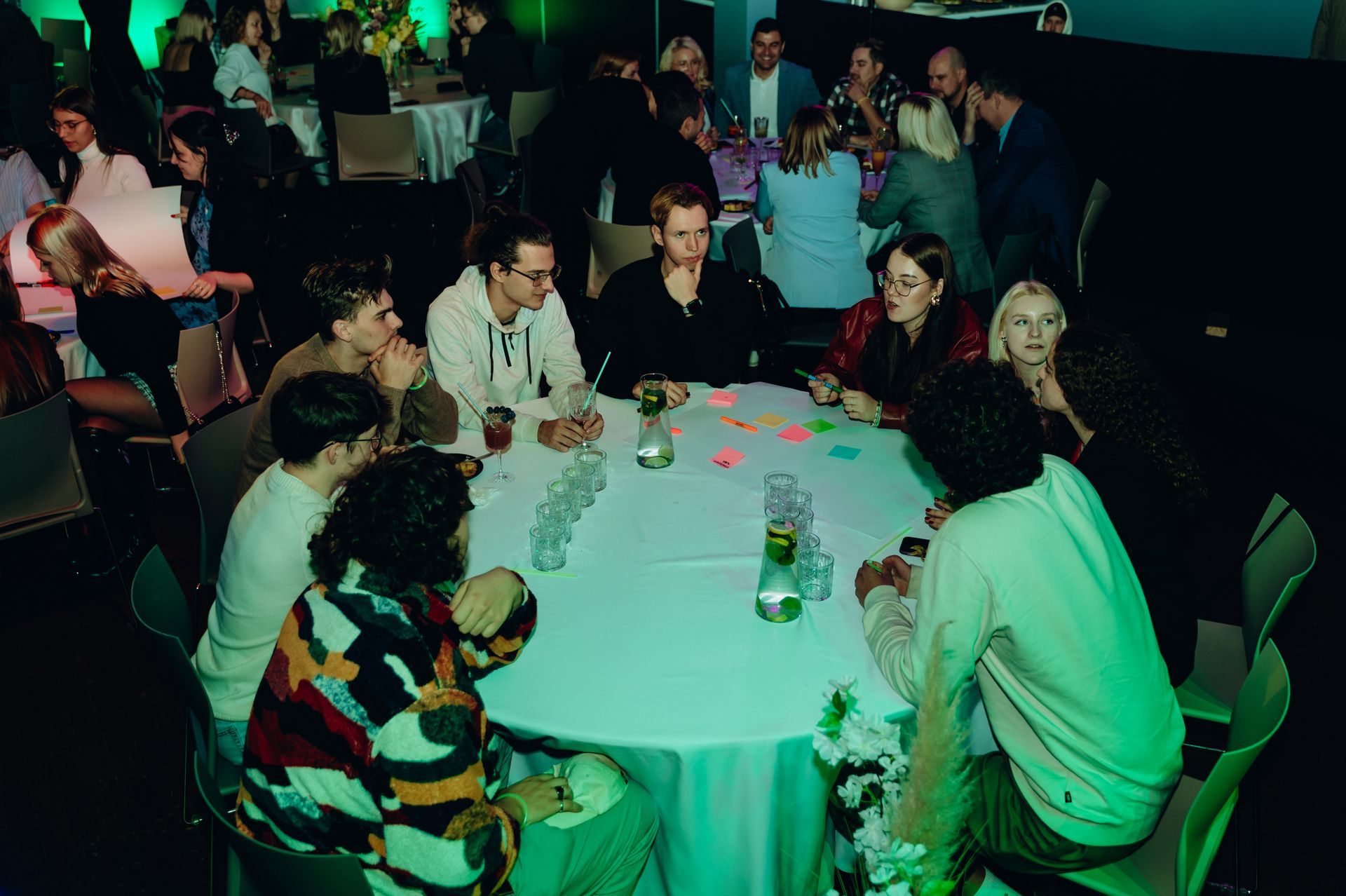
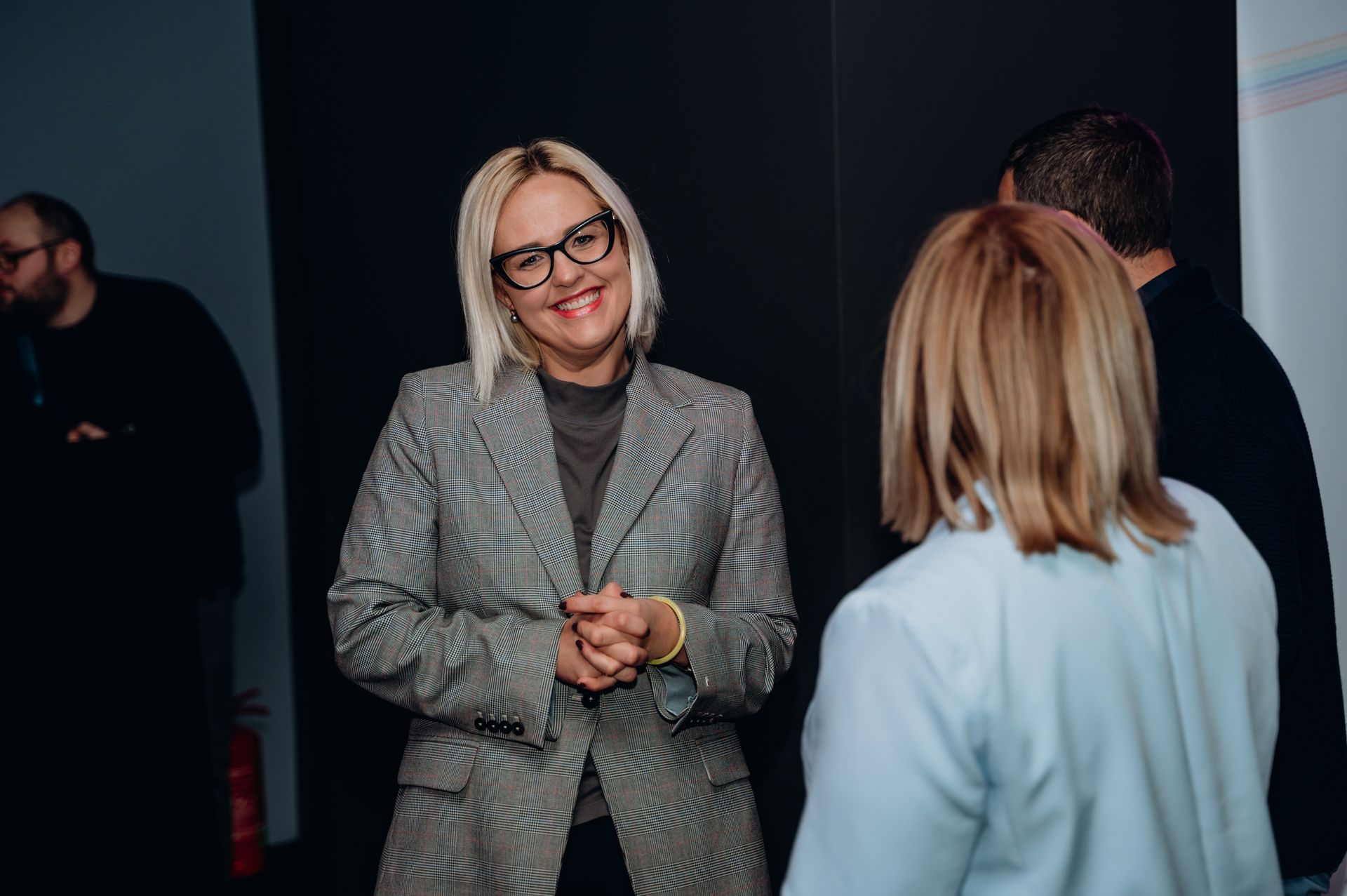
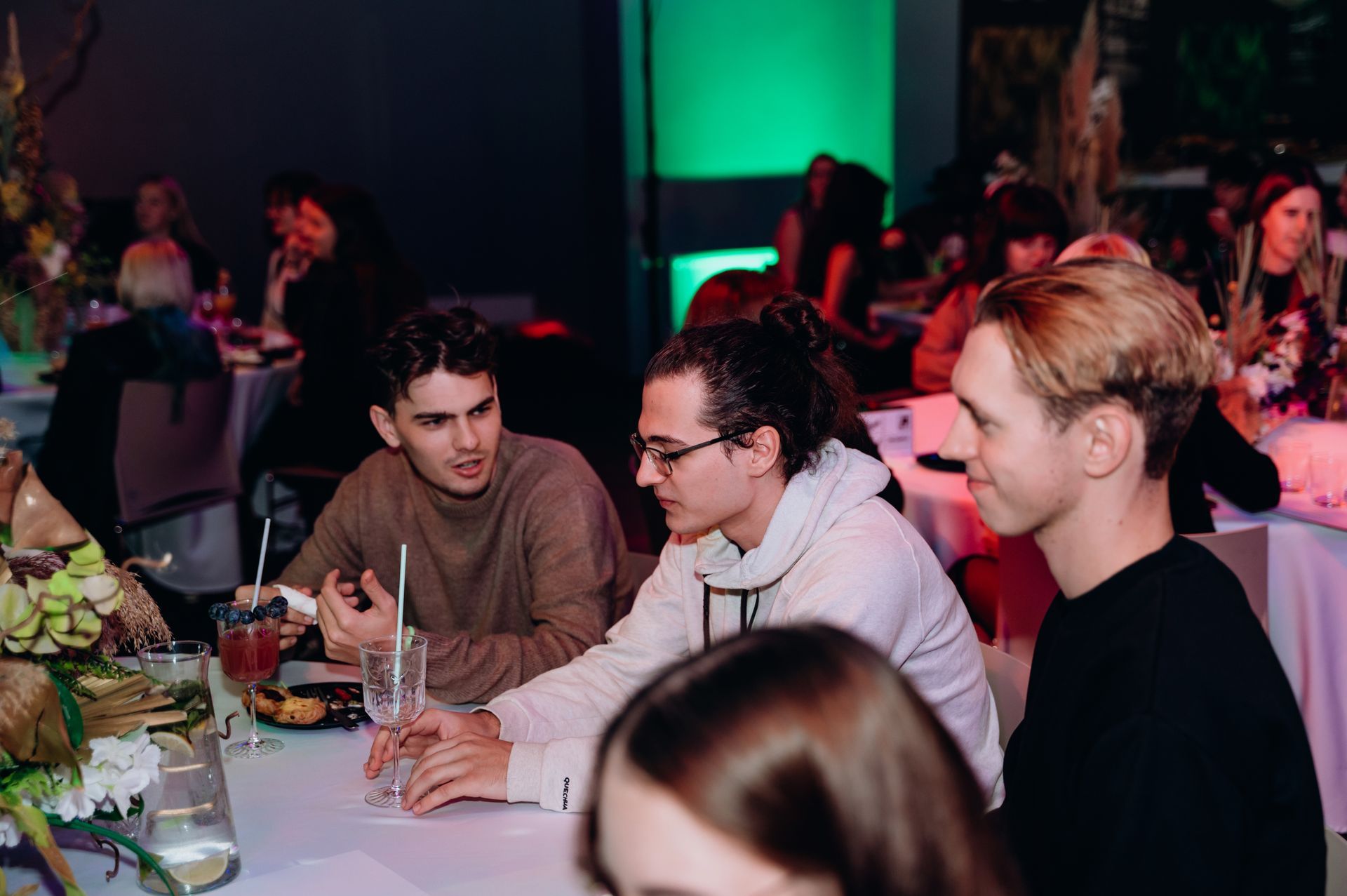
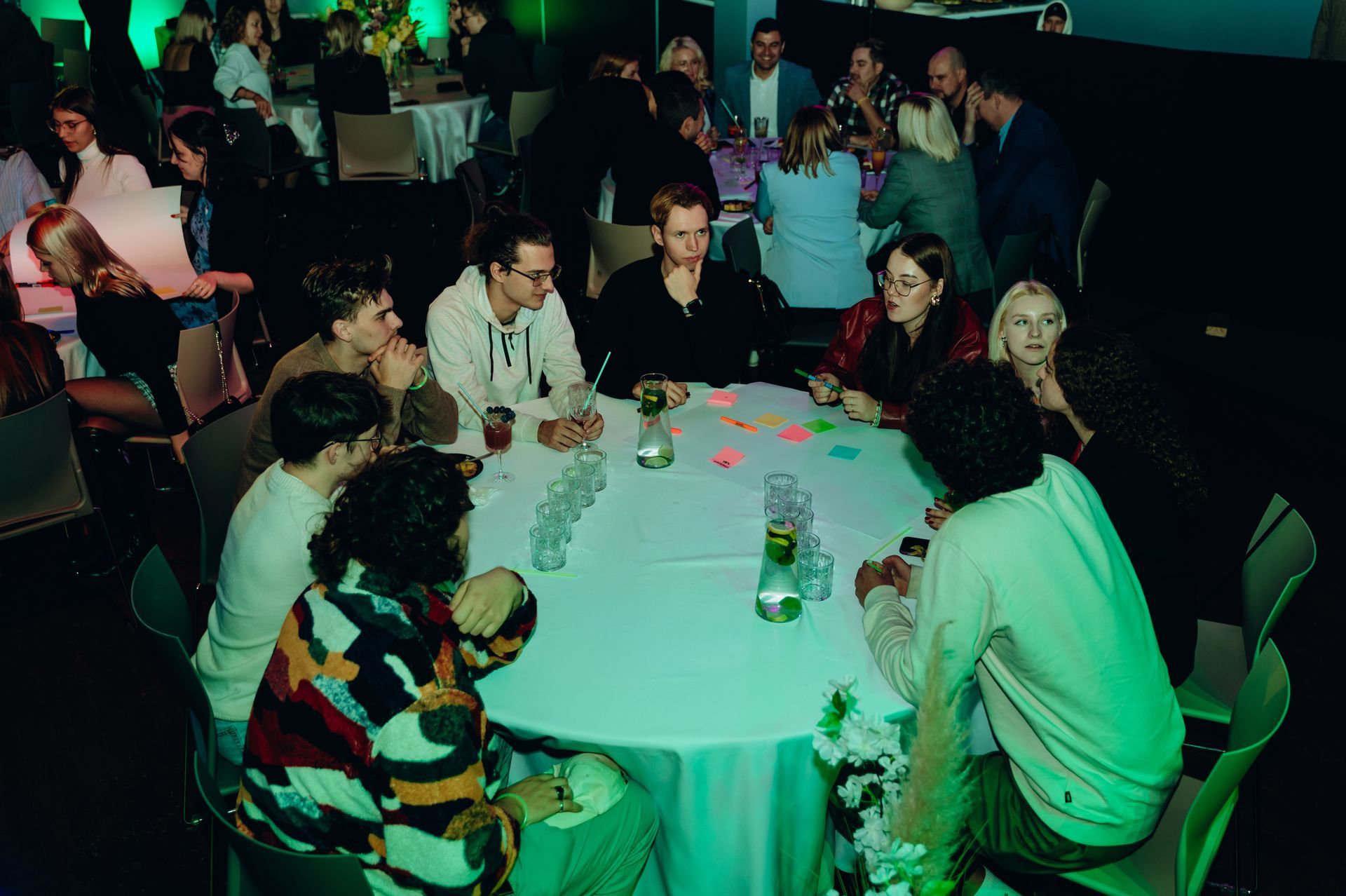
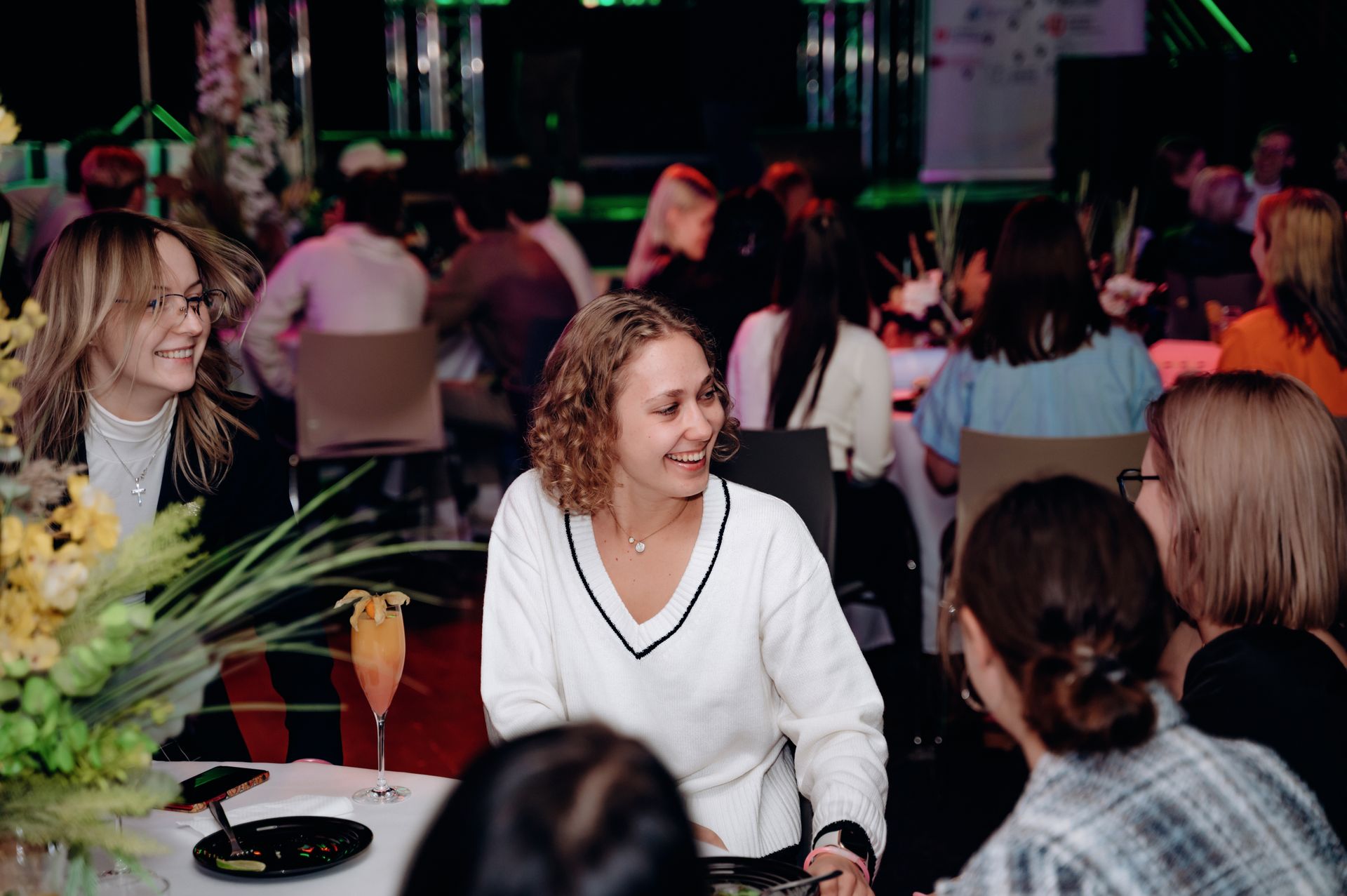
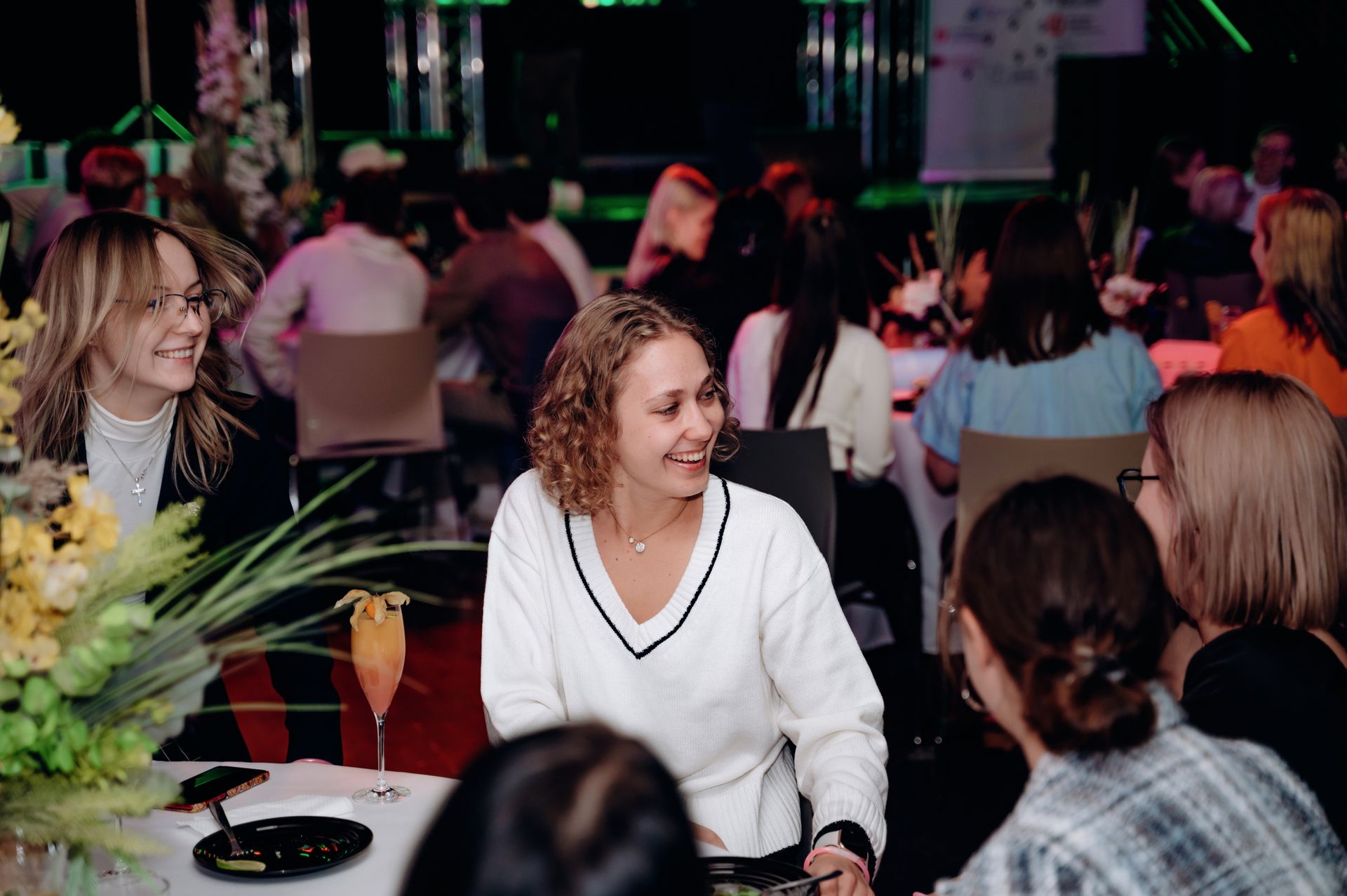
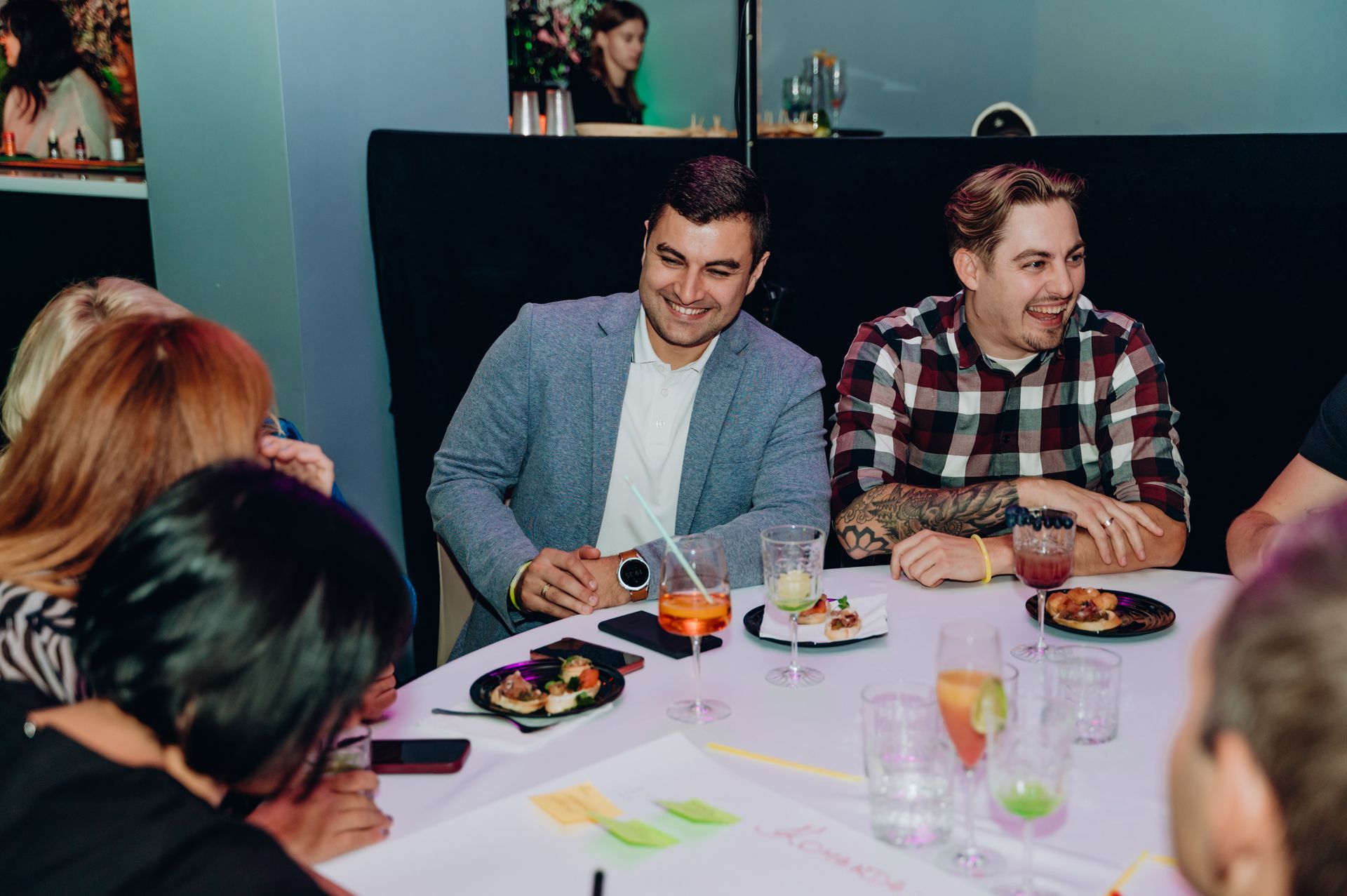
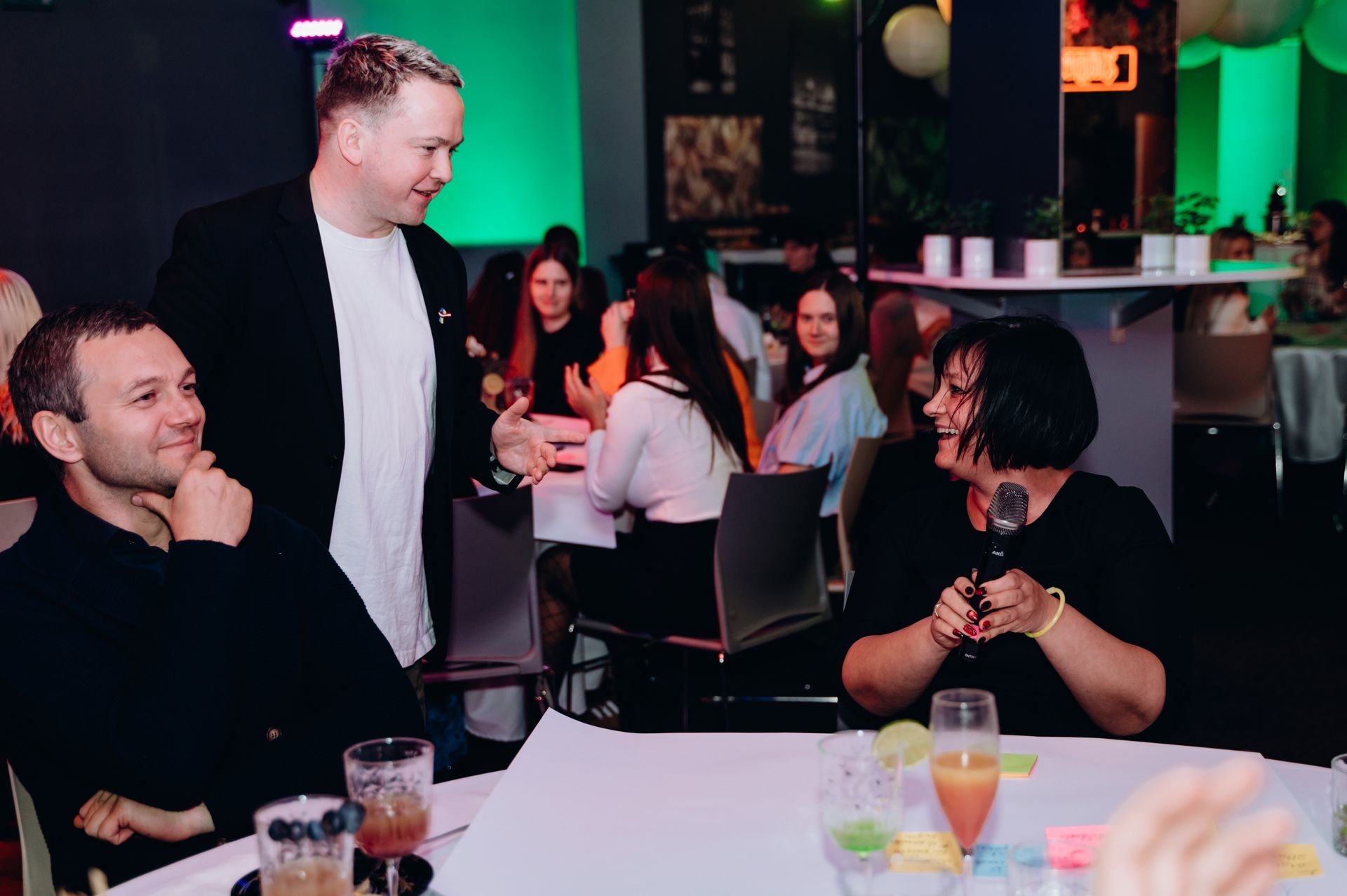
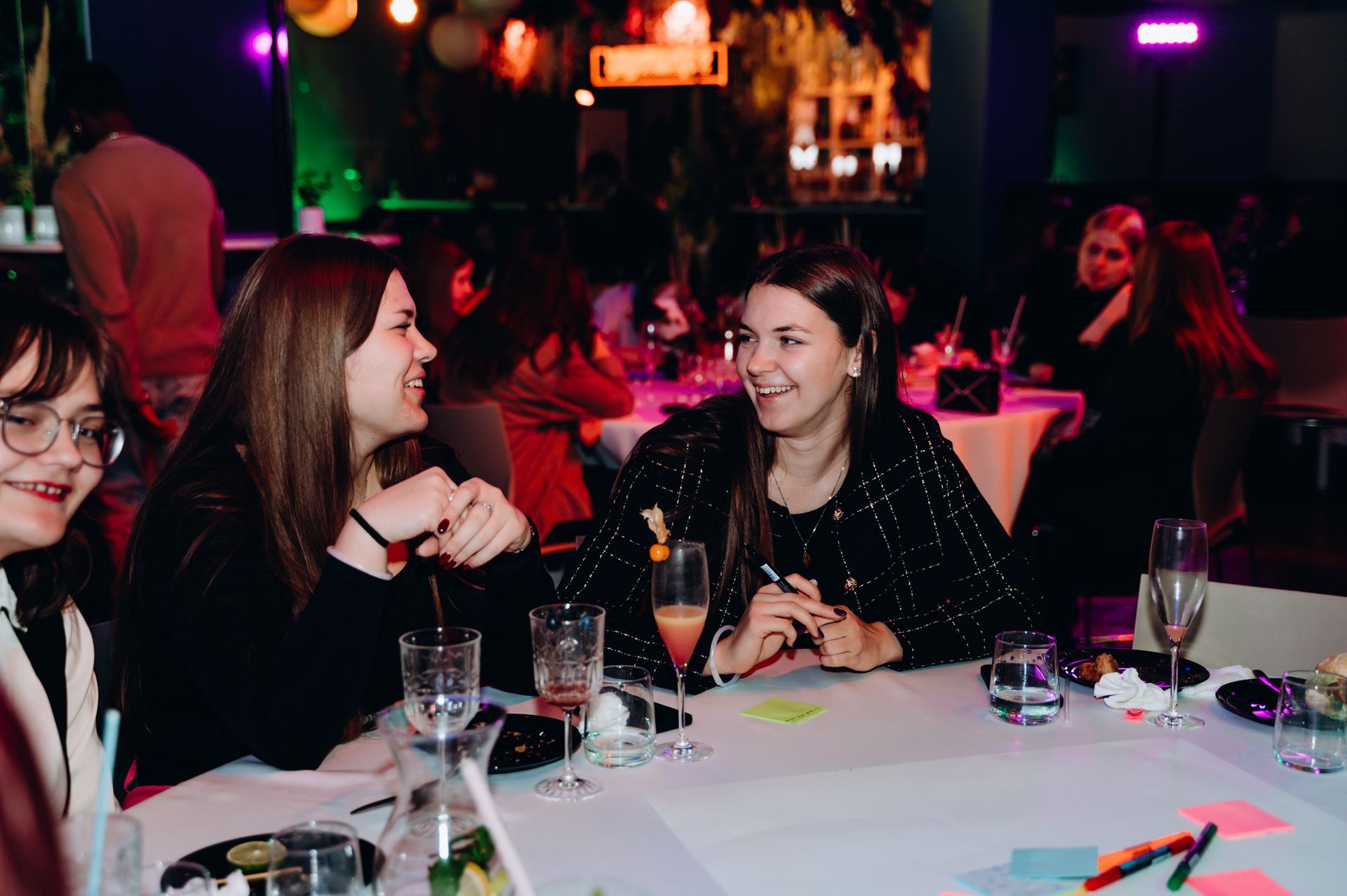
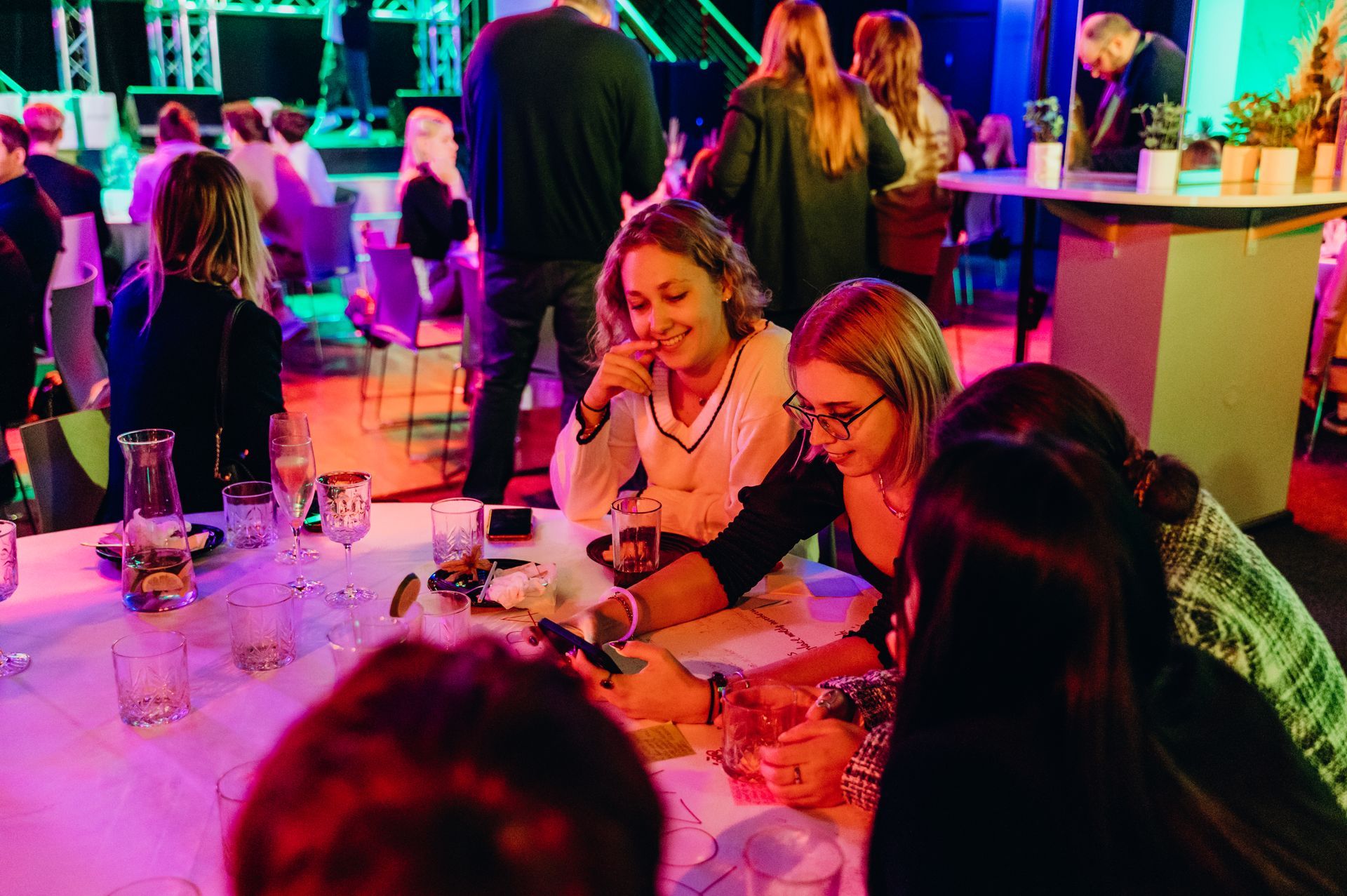
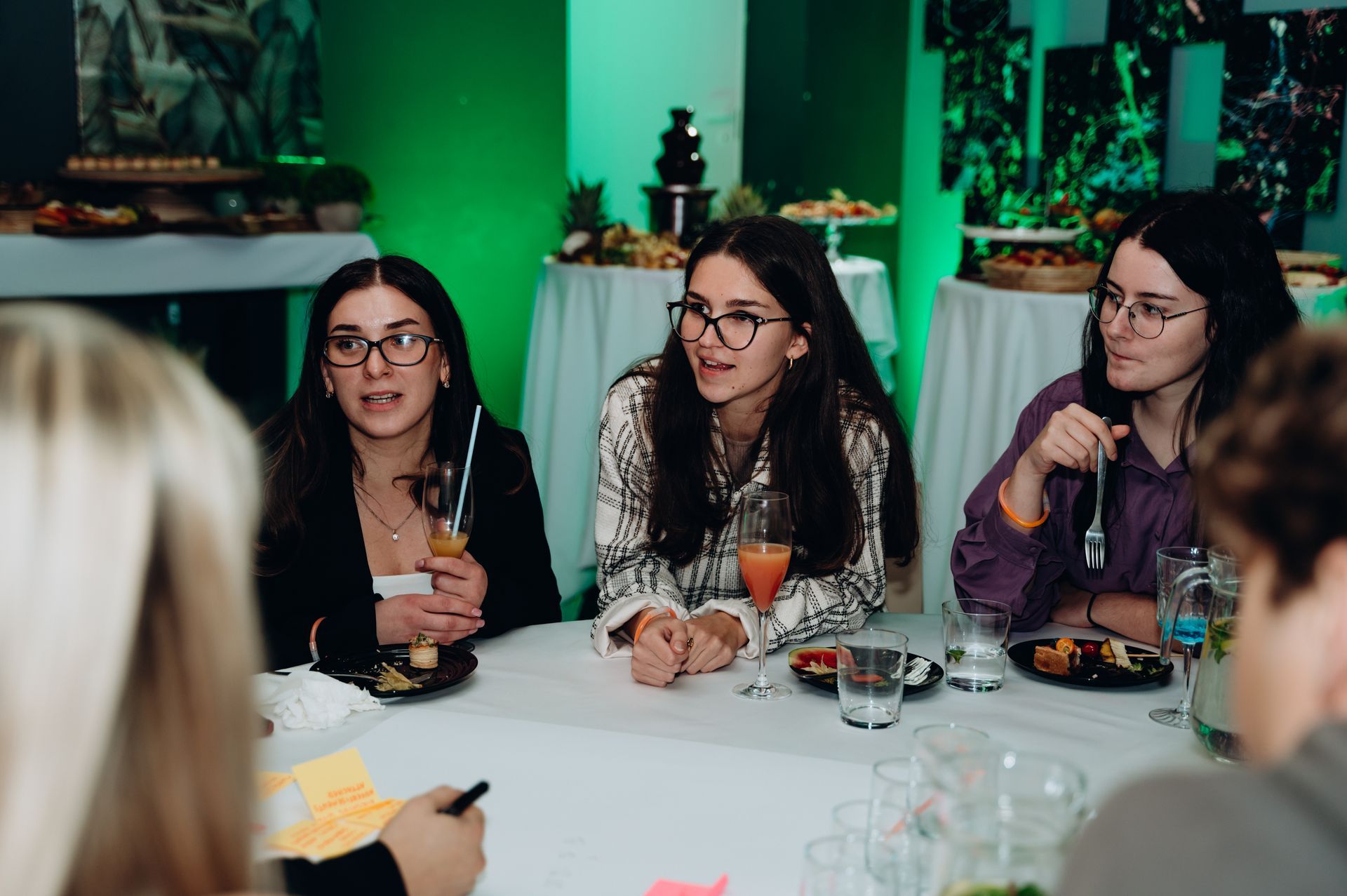
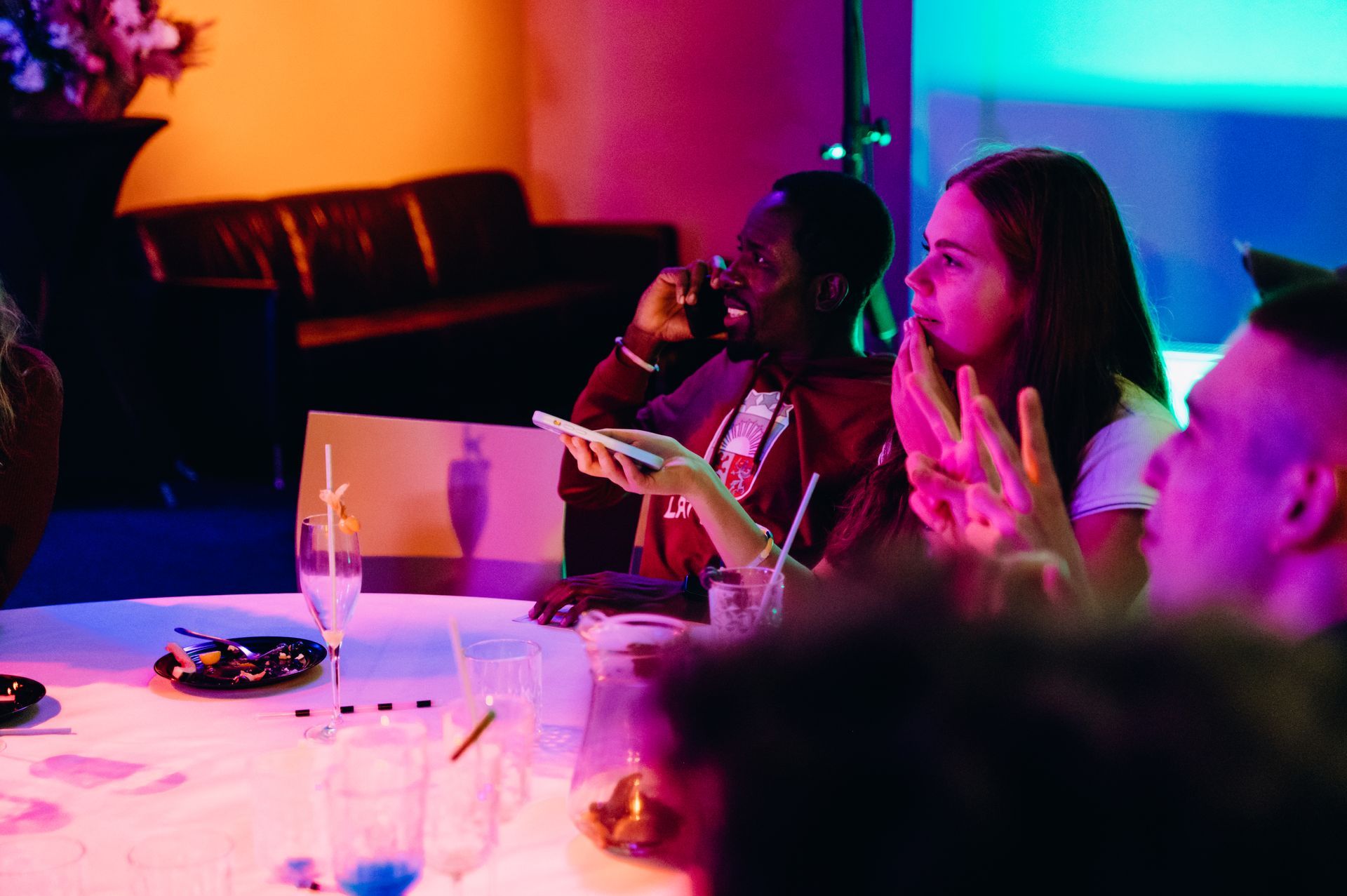
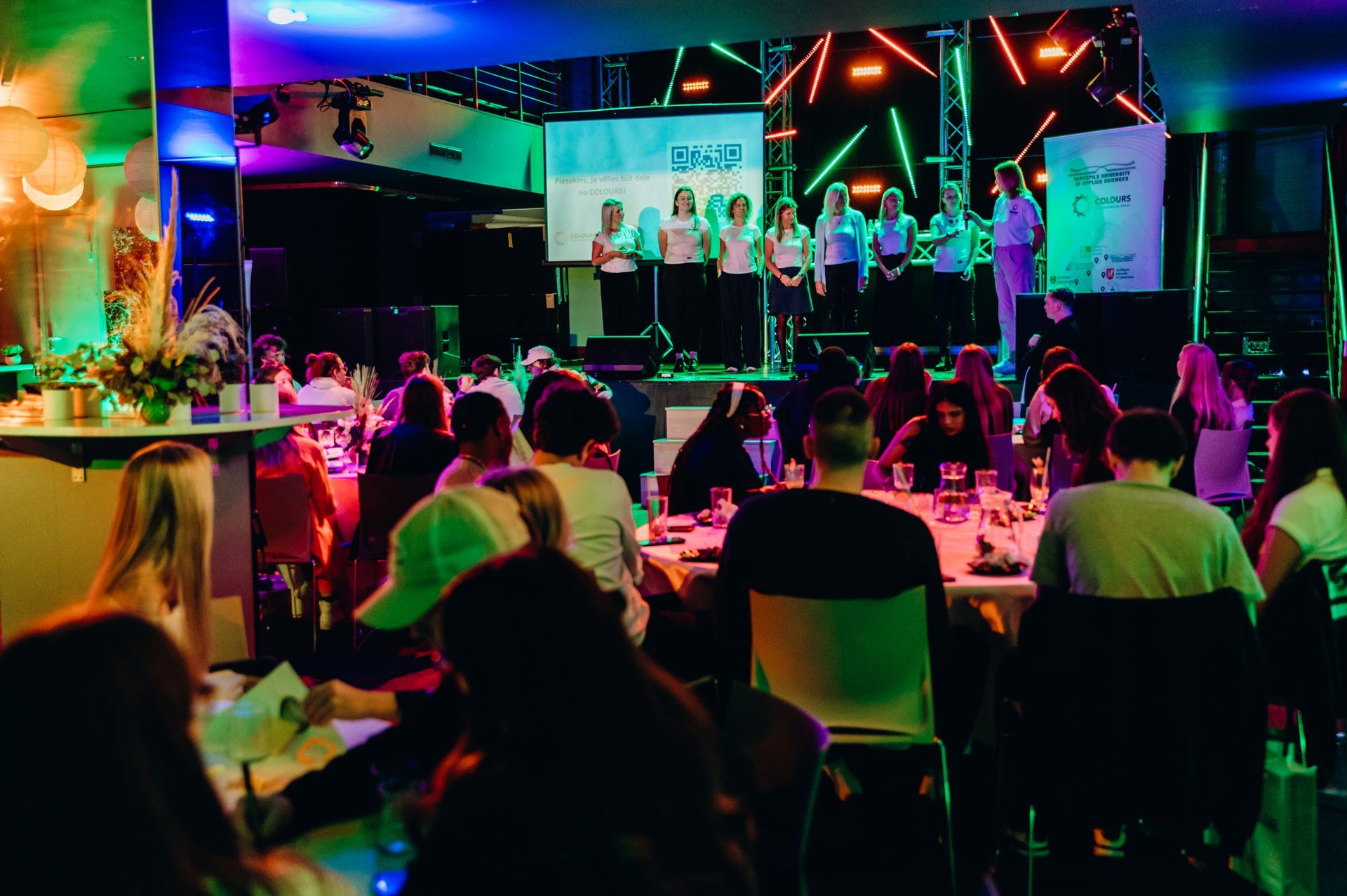
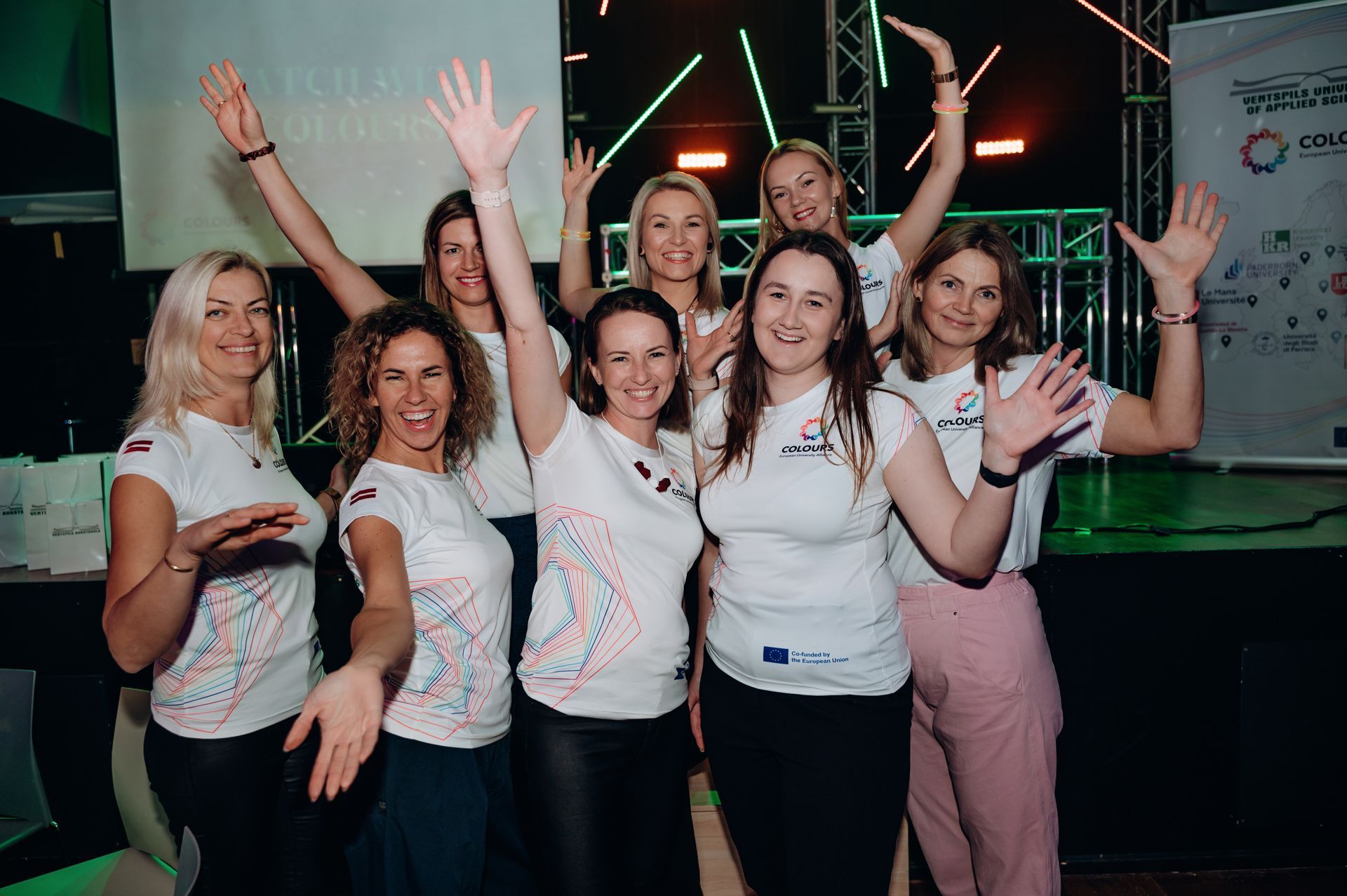
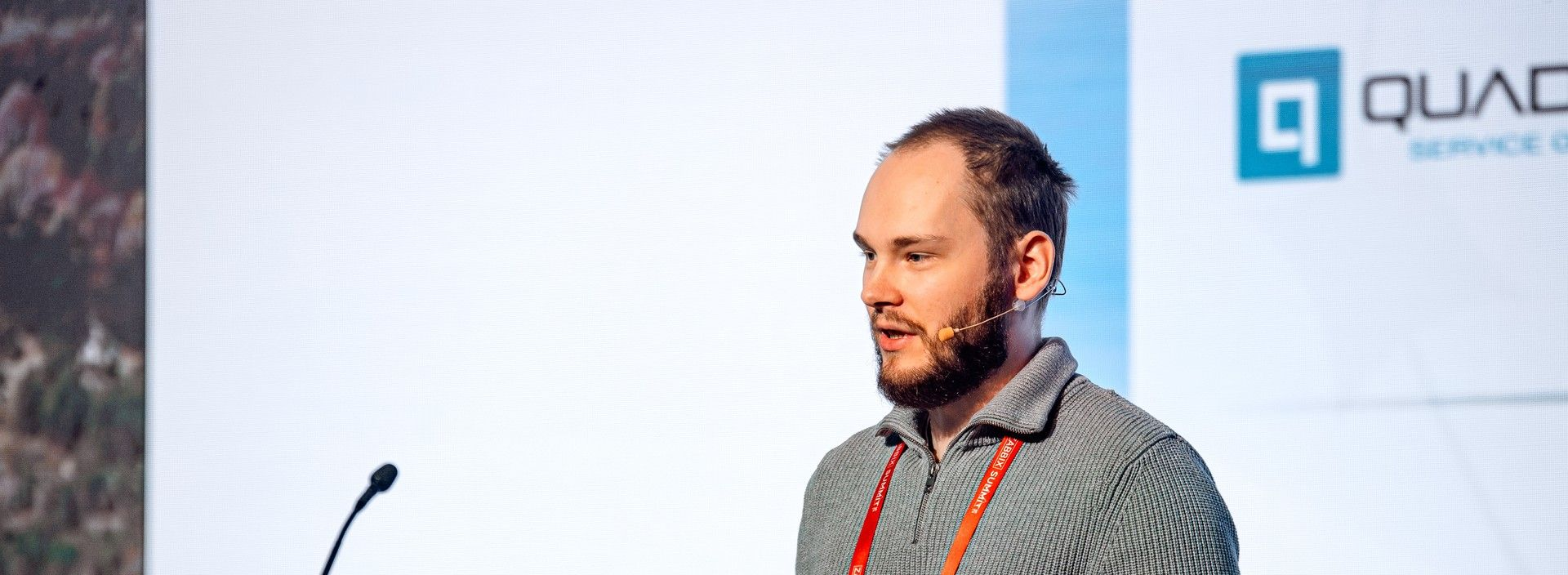
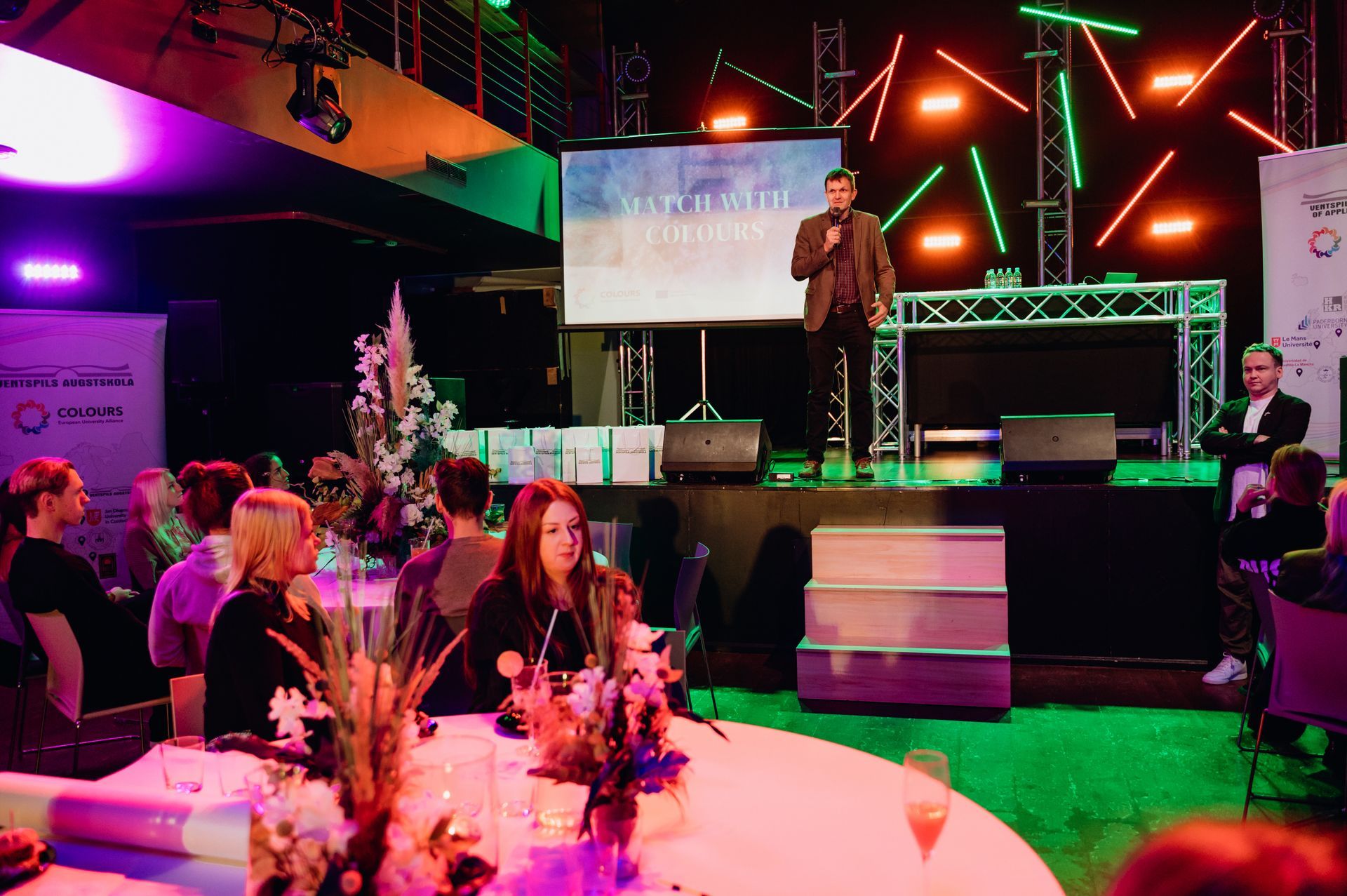
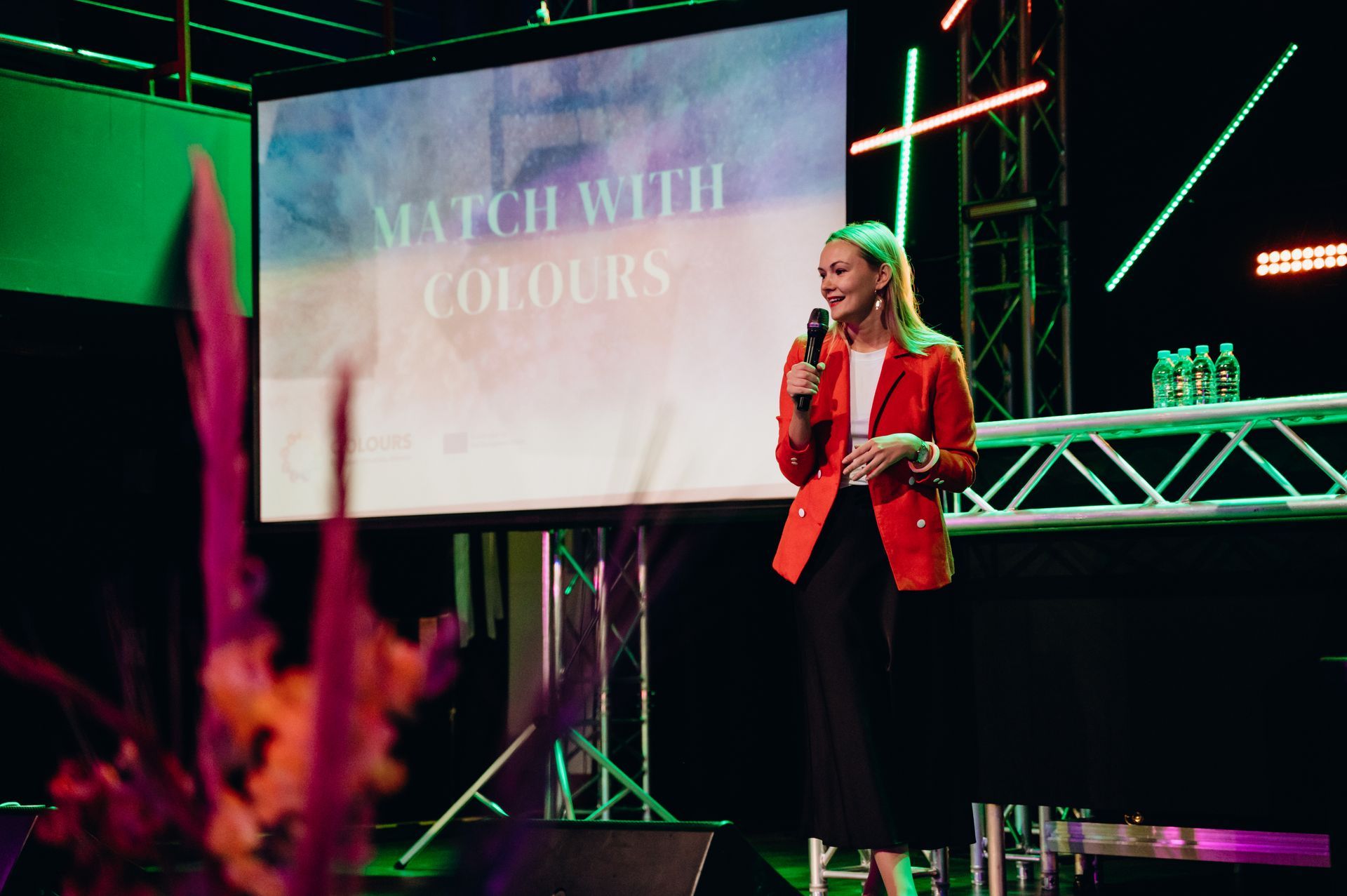
On November 5, the European University Alliance COLOURS brought excitement and opportunity to life during the student event “Match With Colours”. Hosted at the Restaurant & Cocktail Bar SILRAK, the event blended an informal, lively atmosphere with inspiring messages and activities, captivating students from Ventspils University of Applied Sciences (VUAS).


The evening left a lasting impact, with some students felt a "match", eager to contribute to their university’s growth and expand their horizons. The event was expertly guided by comedian Edgars Balins, whose charm and humor kept participants engaged and energized.


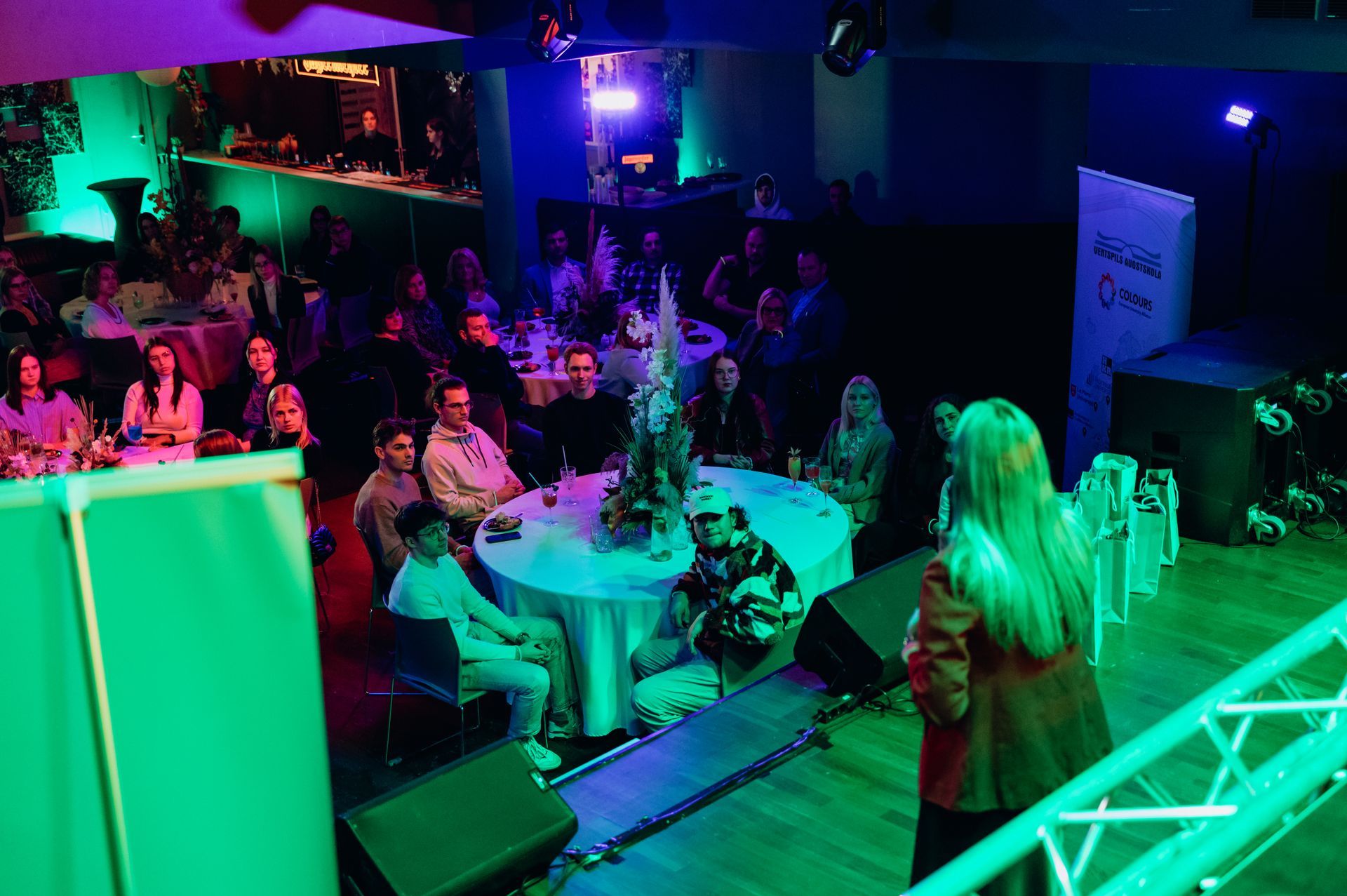
The first part of the evening featured remarks by Andris Vaivads, Rector of VUAS, who underscored the transformative potential of the COLOURS alliance. He highlighted its role in fostering international collaboration, saying, “This partnership opens doors to new opportunities for the university and its students, broadening perspectives and accelerating growth.”


Kristiana Balode, the COLOURS WP3 lead at VUAS, outlined the vast opportunities available through the project. Students were inspired by the prospects of joining hackathons in Latvia and abroad, building mobility networks, participating in internships, enrolling in microcredential courses, attending summer schools, and representing the university at international student forums. Kristiana captured the essence of the initiative, saying, “The COLOURS project allows us to see beyond borders, reminding us that we’re not just part of Ventspils or Latvia – we’re part of Europe.”


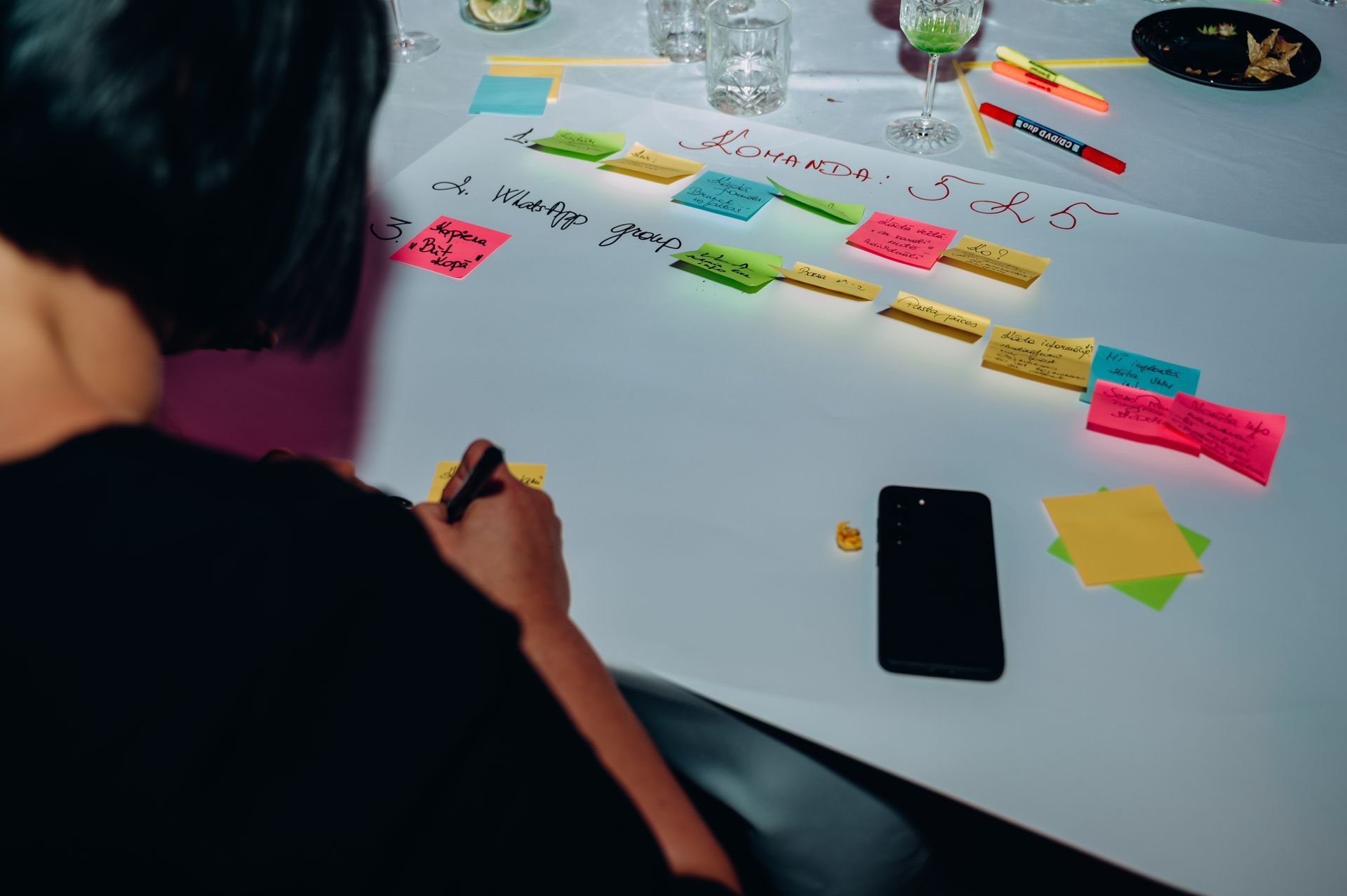
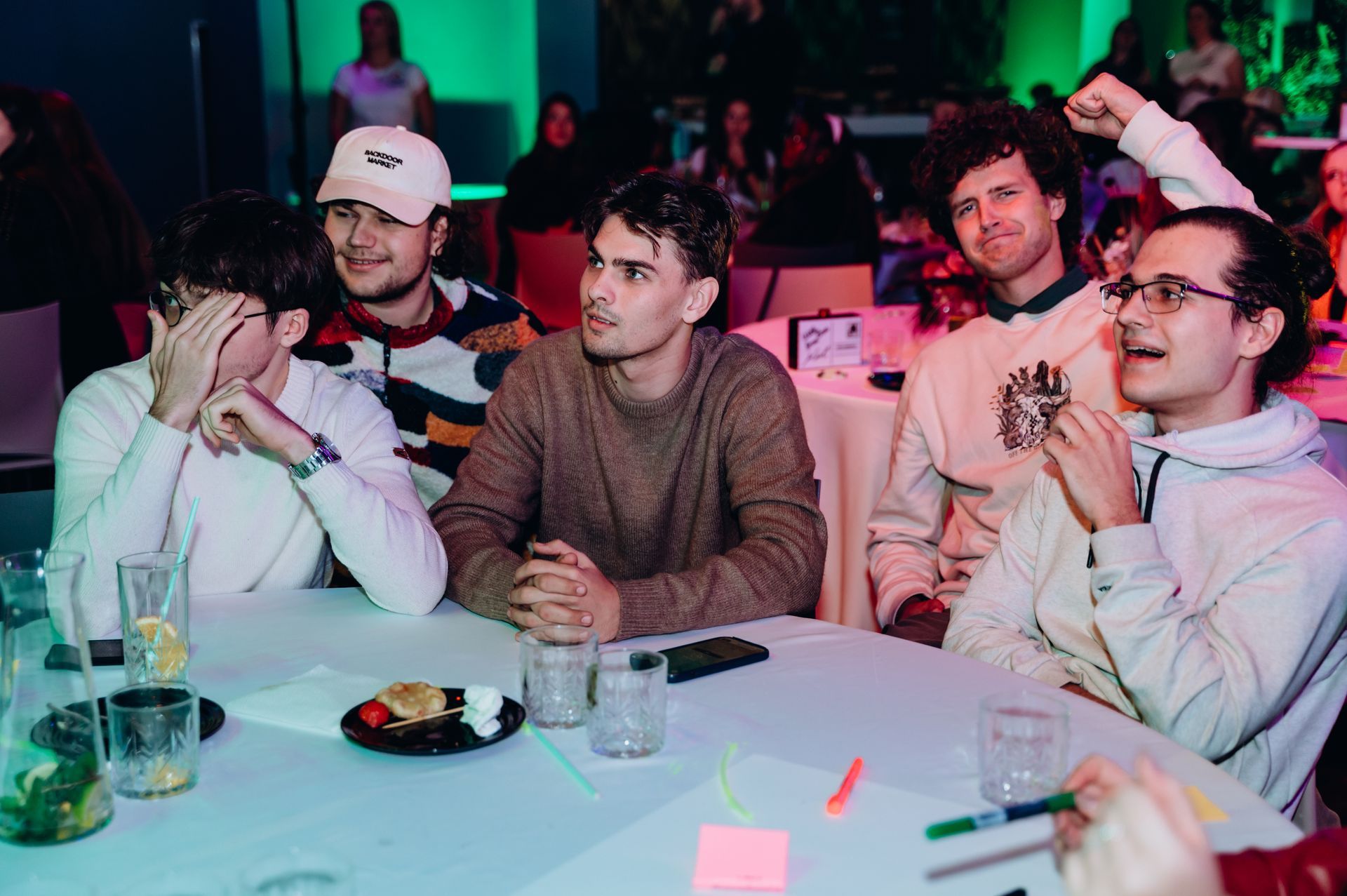
The second part of the event shifted gears to creativity and collaboration. Students tackled real-life challenges through problem-solving tasks and shared innovative ideas. A spirited Kahoot quiz tested their knowledge about COLOURS partner universities and the diverse countries they represent. The victory was claimed by the international team that included Erasmus students, full-time foreign and local students.
Share on other platforms

Other news
By Rota Žagare • November 24, 2026
On 27 November and 8–9 December 2026, Ventspils University of Applied Sciences invites representatives from research and education, business, public administration and civil society to participate in the CoLab “Who Will Work for Companies in 2035?” to explore future workforce challenges and potential solutions for regional economic development. Register HERE: https://fienta.com/lv/kurzemes-biznesa-forums The growing workforce challenge Labour shortages are becoming an increasingly significant challenge across Europe. An ageing population, changing skills requirements and technological transformation are affecting companies’ ability to recruit employees and plan for future growth. The European Commission highlights skills development, working conditions, workforce participation and labour mobility as important areas for addressing these challenges. Meanwhile, the OECD emphasises that labour shortages differ between regions and can limit business development, investment and economic growth. Attracting and retaining talent The question of who will work for companies in 2035 goes beyond the number of available employees. It also concerns the attractiveness of regions as places to live, work and build a career. Employment opportunities, housing, education, public services, career development and quality of life all influence where people choose to live. According to the OECD, Latvian regions have experienced population decline over the past two decades. For the Kurzeme region, this highlights the importance of cooperation between businesses, municipalities and educational institutions. How can we encourage graduates to stay in the region, attract new residents and motivate people to return? Skills and technologies of the future As technologies and business models evolve, companies need employees with new skills and competencies. Cooperation between educational institutions and employers is therefore essential to ensure that education and training meet future labour market needs. Artificial intelligence (AI), robotics and automation are also transforming the workplace. According to the OECD, AI can change the tasks employees perform, create new opportunities and increase productivity, while also introducing new skills requirements. In Latvia, the Ministry of Economics’ labour market forecasts for 2030 and 2040 provide a valuable starting point for discussing potential workforce challenges in 2035. Exploring potential solutions There is no single solution to labour shortages. The CoLab will explore three interconnected approaches: Attracting and retaining local employees – improving working conditions, developing skills and retaining regional talent. Recruiting international employees – exploring opportunities and challenges related to attracting and integrating workers from abroad. Investing in automation and AI – improving productivity, reducing repetitive tasks and adapting to workforce shortages through technology. Companies may benefit from combining these approaches according to their individual needs and long-term development goals. Bringing different perspectives together The CoLab aims to bring together representatives from Ventspils State City Municipality, the Ministry of Economics, the Latvian Chamber of Commerce and Industry (LTRK), the Employers’ Confederation of Latvia (LDDK), MILA and businesses to share insights, practical experiences and potential solutions. Through interdisciplinary discussions and cooperation, participants will explore how businesses, educational institutions and public administration can work together to address future workforce challenges.
By Rota Žagare • November 23, 2026
On 25 November, from 10:00 to 12:00 (EET), Ventspils University of Applied Sciences (VUAS) invites participants to join the international MarTe project's online webinar, “From Marine Data to Confident Decisions – Planning and Testing in the Baltic Sea”. During the webinar, experts from Latvia and Estonia will share their experience in marine technology testing, the use of digital tools, and the importance of environmental data in informed decision-making.  The webinar will take place within the framework of the MarTe project and aims to promote the exchange of knowledge and experience in marine technology development and testing in the Baltic Sea region. Participants will have the opportunity to learn how marine environmental data, modelling methods, and digital solutions can help plan technology testing more effectively, assess potential risks, and make data-driven decisions. The webinar programme will feature three expert presentations: Introduction to Testbeds for Marine Technologies. Anda Ikauniece, researcher at the Latvian Institute of Aquatic Ecology, will introduce the fundamental principles and requirements for establishing marine technology testbeds and assessing technology readiness for testing. Ice Modelling in the Baltic Sea. Ilja Maljutenko, researcher at Tallinn University of Technology, will explain how forecasting and modelling ice conditions can support safer and more efficient planning of marine operations and testing of new technologies. From Marine Evidence to Site Decisions. Jonne Kotta, professor at the University of Tartu, will demonstrate two digital tools that use marine environmental data to identify the most suitable locations for testing new technologies. The event programme is available here: https://marinetechub.eu/news-and-events/events/soft-skills-webinar-marine-data-confident-decisions Registration form: https://forms.gle/M8cTDg3HUucEwnFy5
By Rota Žagare • November 10, 2026
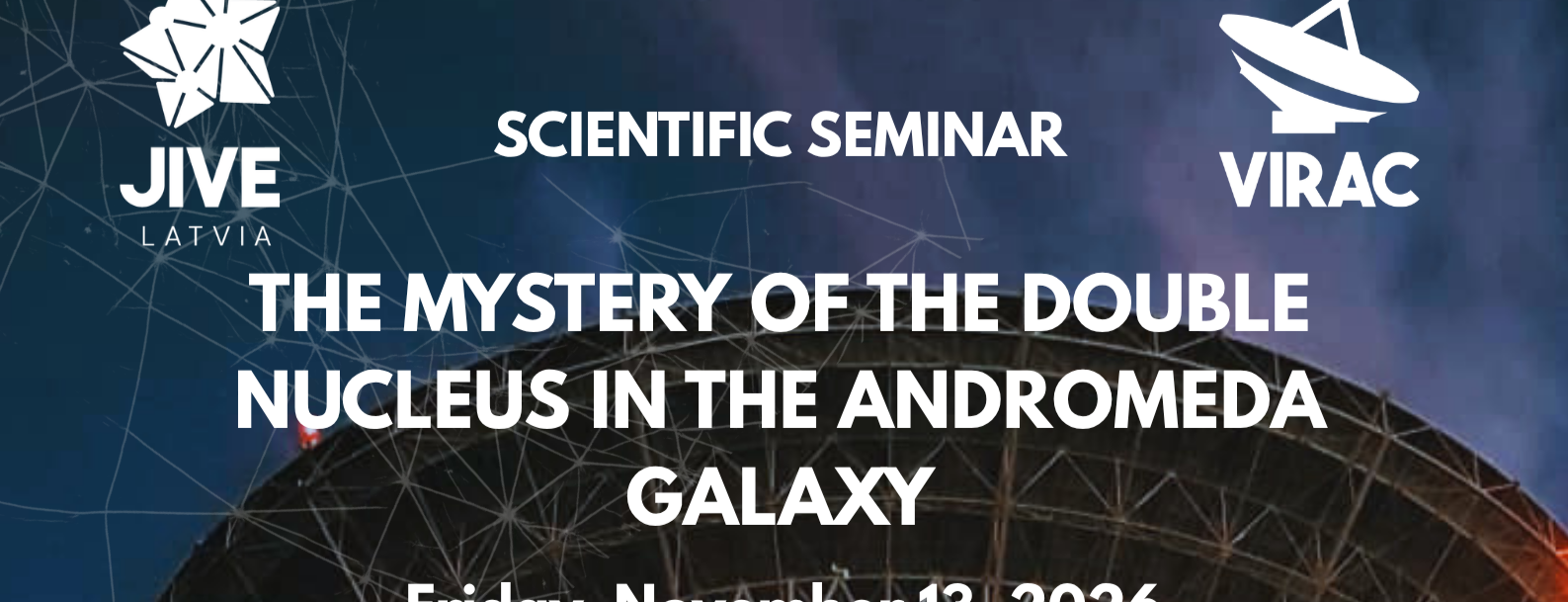
On November 13, 2026, the Ventspils International Radio Astronomy Centre (VIRAC) at Ventspils University of Applied Sciences (VUAS) will host a scientific seminar entitled “The Mystery of the Double Nucleus in the Andromeda Galaxy”, led by researcher prof.Elena Bannikova. The seminar is organised as part of the JIVE Latvia consortium activities, fostering international scientific collaboration and knowledge exchange in radio astronomy and astrophysics. The Andromeda Galaxy is one of the closest major galaxies to our Milky Way, yet its centre remains a fascinating astronomical mystery. Observations have revealed an unusual double-nucleus structure, raising intriguing questions about the physical processes taking place at the heart of the galaxy and their possible origins. What exactly lies behind this peculiar structure, and what can it tell us about the formation and evolution of galaxies? During the seminar, prof. Elena Bannikova will explore the central region of the Andromeda Galaxy, discussing scientific hypotheses and research findings that contribute to our understanding of this remarkable astronomical phenomenon. The agenda: 09:30-10:00 Registration and morning coffee 10:00-12:00 Scientific seminar at Ventspils University of Applied Sciences, Room D407 12:00-18:00 Visit to the Irbene Radio Telescope Complex and discussions Join the seminar online by clicking here: meet.google.com/joc-ywsi-kmn The seminar will provide an opportunity to gain insights into current astrophysical research, engage in scientific discussions, exchange expertise, and explore potential avenues for future collaboration. The visit to the Irbene Radio Telescope Complex will offer participants a closer look at VIRAC’s research infrastructure and its role in international radio astronomy. Researchers, students, and everyone interested in astronomy and scientific discovery are warmly invited to join us and explore one of the most fascinating mysteries of the Andromeda Galaxy! The event is organised within the framework of Project No. 1.1.1.5/3/25/I/012, “International Cooperation and Innovation of Ventspils University of Applied Sciences for the Development of Latvia’s Smart Specialization.” *Scientific publication (Astronomy & Astrophysics): https://www.aanda.org/component/article?access=doi&doi=10.1051/0004-6361/202660388
By Rota Žagare • November 6, 2026
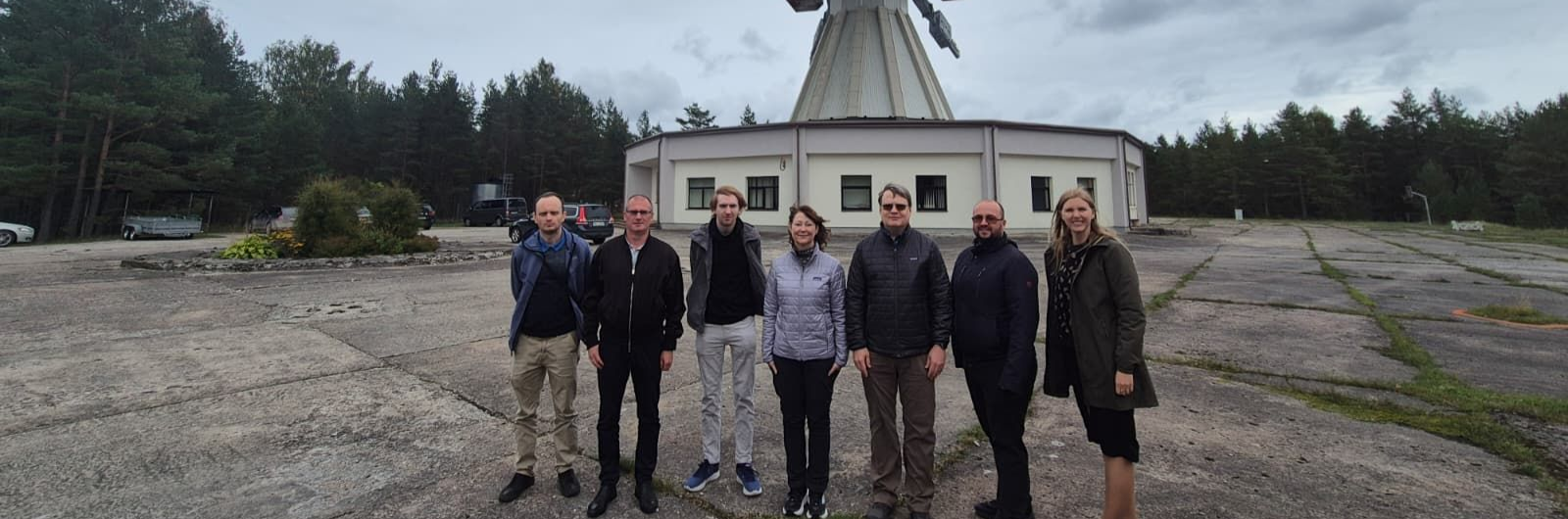
With support from the Baltic-American Freedom Foundation (BAFF), from the 21st of September to the 1st of October 2026, two leading scientists from the U.S. National Radio Astronomy Observatory (NRAO) – Dr. Todd R. Hunter and Dr. Crystal L. Brogan – visited the Engineering Research Institute “Ventspils International Radio Astronomy Centre” (VIRAC) at Ventspils University of Applied Sciences (VUAS). During their visit to Ventspils, the guests familiarized themselves with the Irbene radio astronomy complex and the receiver technologies developed in-house by VIRAC, and held seminars on mitigating radio-frequency interference and improving radio astronomy data processing. Together with VIRAC specialists, the researchers identified complementary research directions in the study of massive star formation, in which observations from the Irbene radio telescopes can provide substantial support for data obtained with leading U.S. radio astronomy instruments (ALMA, VLA/ngVLA). The visit served as an important step toward establishing a long-term partnership between Latvian and U.S. radio astronomy institutions. The foundations were laid for joint international research projects and scientific publications. Alongside the strategic discussions, the U.S. experts provided individual consultations for VIRAC researchers, delivered a public lecture for a wider audience in Ventspils, and offered valuable feedback and introduced international career opportunities to students in the exact sciences, both in Ventspils and subsequently in Riga at the University of Latvia (UL).
By Rota Žagare • November 5, 2026
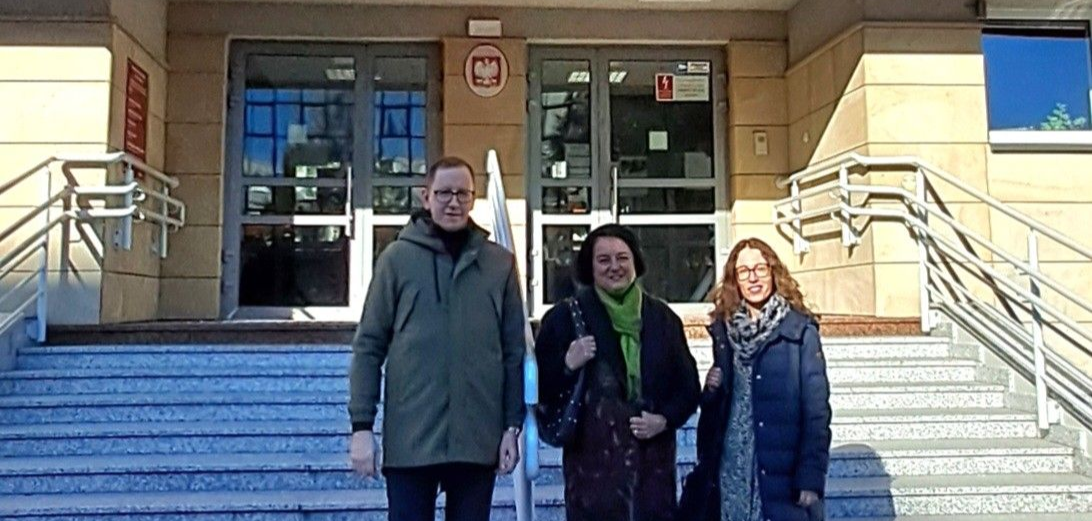
From 26 to 30 October, Assistant Professor Egita Proveja, Associate Professor Jānis Veckrācis and Lecturer Aiga Bādere of the Faculty of Translation Studies (FoTS) at Ventspils University of Applied Sciences (VUAS) visited the Faculty of Humanities of Jan Długosz University in Częstochowa ( Uniwersytet Jana Długosza w Częstochowie , JDU, Poland). The visit took place within the framework of both the COLOURS European University Alliance and Erasmus+ cooperation. The main aim of the visit was to launch a joint practice-oriented project for translation students of VUAS FoTS and JDU. Latvian and Polish students are expected to work with professional texts and specialised vocabulary in various formats of cooperation. Working meetings were held with the management and staff of the Faculty of Humanities. The VUAS representatives Jānis Veckrācis and Aiga Bādere discussed specific plans for cooperation with the Dean of the JDU Faculty of Humanities, Aiga Bādere met the Polish students involved in the project, and Egita Proveja observed German-language classes. The VUAS representatives also met the JDU Vice-Rector. The visit provided an opportunity to discuss the cooperation in detail, including a joint challenge-based project, its implementation timeline, the allocation of tasks and the expected results. Plans for a summer school were also discussed. The programme also included a study visit to the Jasna Góra Monastery, where a JDU graduate, now a professional guide, showed how education in the humanities and professional competence help to preserve and promote the region’s cultural heritage. The visit strengthened cooperation between the two universities and opened up opportunities to involve students at all levels of study in future joint projects.
By Rota Žagare • October 22, 2026
From 7 to 9 October, the international Zabbix Summit 2026 conference took place in Riga, bringing together representatives from various countries to share experience on the capabilities of the Zabbix monitoring platform and its use across different industries. Kristaps Blumbergs, a Research Assistant at the Ventspils International Radio Astronomy Centre (VIRAC), also attended the conference. 
Other news