Ventspils Radio Astronomers Introduce Artificial Intelligence Methods into Their Research
As the availability of artificial intelligence (AI) tools continues to grow, so do their capabilities and the range of tasks they can perform, including increasingly complex and sophisticated ones. Consequently, AI is finding applications in ever narrower and more specialised fields. Scientific research in astronomy is no exception, including radio astronomy and related theoretical fields, which are among the areas of research pursued by scientists at the Ventspils International Radio Astronomy Centre (VSRC) of the Institute of Engineering at Ventspils University of Applied Sciences.
AI is based on existing knowledge and cannot independently interpret newly generated scientific results. Nevertheless, AI-assisted data processing, generation of program code, partially repetitive data rows and other types of information, as well as the initial compilation and review of large volumes of information on a scientific topic or, for example, the operation of an existing program, can facilitate certain tasks when carried out under careful supervision and verification by a researcher. The results can, in turn, be checked using another version of an AI agent. However, these approaches do not necessarily reduce the overall amount of work or the time required to complete it.
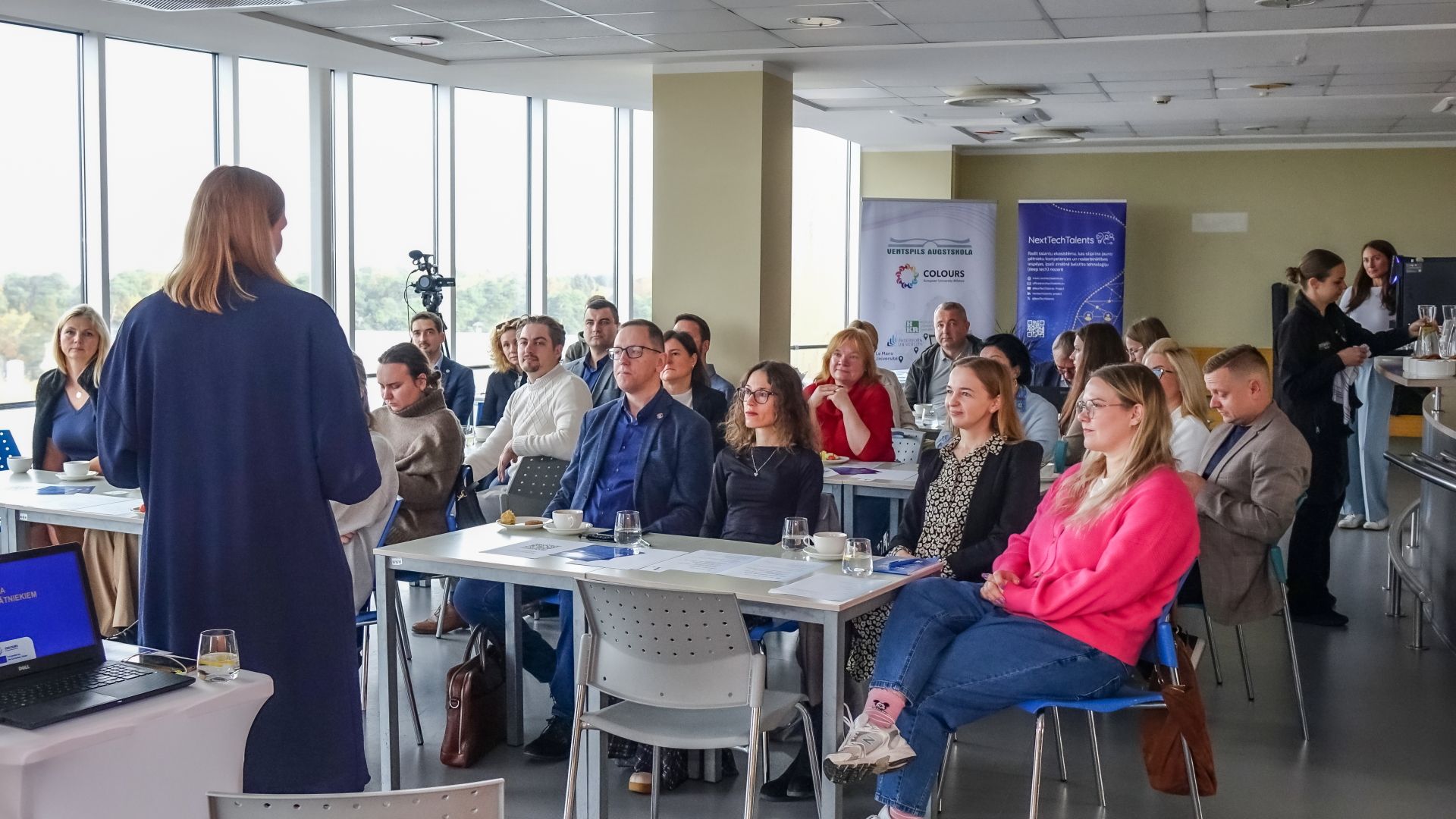
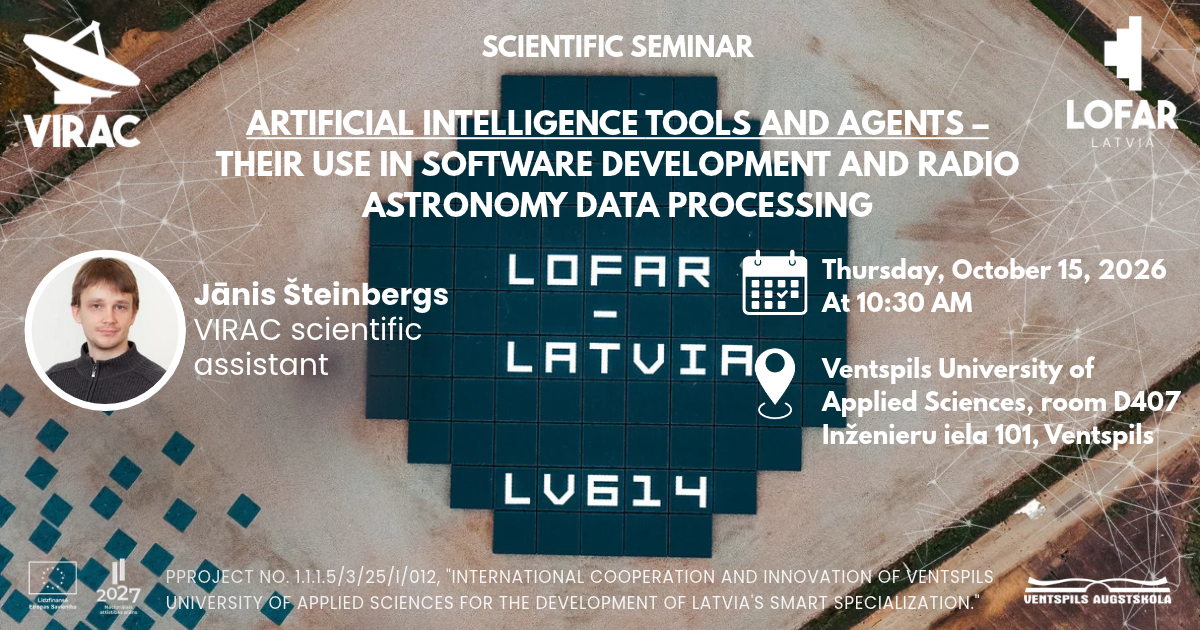
To make the most effective use of the opportunities offered by AI and to communicate this knowledge in an accessible way so that it can subsequently be learned and adopted by everyone involved in research, including members of the older generation of scientists, VSRC launched a series of seminars on the use of AI in science in autumn 2026. The series places particular emphasis on astrophysics and radio astronomy, including radio interferometric observations using the Irbene Radio Telescope (IRT) and the LOFAR network.
The first seminar was led by VSRC scientific assistant Gints Jasmonts, who shared his knowledge and experience on 3 September. He provided an introduction to the world of AI and presented examples from his own work in computer science and astrophysics. The discussion focused primarily on large language models available through chat interfaces, search engines and programming environments. At their core, these AI systems operate by predicting the next word or token based on the preceding context.
The seminar concluded with a discussion, which revealed that participants are already using AI in their everyday work. At the same time, it became clear that learning how to apply the diverse capabilities of AI specifically to research will require further learning. The next seminar will therefore have a more practical focus.
This information has been prepared within the framework of the project “Ventspils University of Applied Sciences` International Cooperation and Innovation for the Development of Latvia’s Smart Specialisation ” (Project No. 1.1.1.5/3/25/I/012).


Share on other platforms
Other news
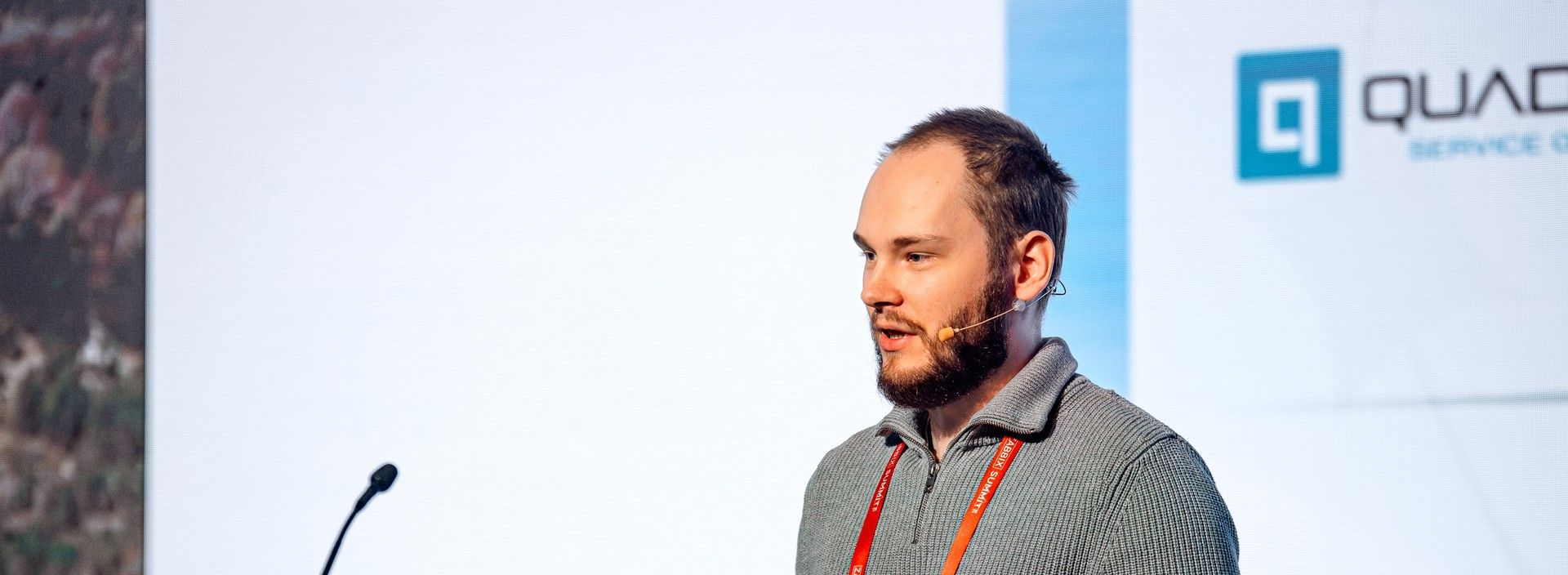
How to Monitor a 32-Metre Radio Telescope – VIRAC Experience at the International Zabbix Summit 2026