PROJECT
Research on Space Weather During Solar Cycle 25 Observed Along the "Struve Geodetic Arc"

Project Title: Research on Space Weather During Solar Cycle 25 Observed Along the "Struve Geodetic Arc"
Project No. 1.1.1.9/LZP/1/24/048
Project Acronym: SANTA
Project Partners:
- Space Radio-Diagnostics Research Center, University of Warmia and Mazury, Poland.
- Space Research and Technology Institute of the Bulgarian Academy of Sciences.
- Sodankylä Geophysical Observatory of OULU University, Finland.
Project Implementation Period: 01.04.2025 – 31.03.2028
Funding Sources: European Regional Development Fund (85%), State Budget Funding (10%), and Ventspils University of Applied Sciences' Own Contribution (5%)
Project Budget: The total eligible costs amount to EUR 184,850.00 and are funded from the following financial sources:
- EUR 157 122.50 from the European Regional Development Fund
- EUR 18 485.00 from the state budget
- EUR 9 242.50 from Ventspils University of Applied Sciences.
Project Objective:
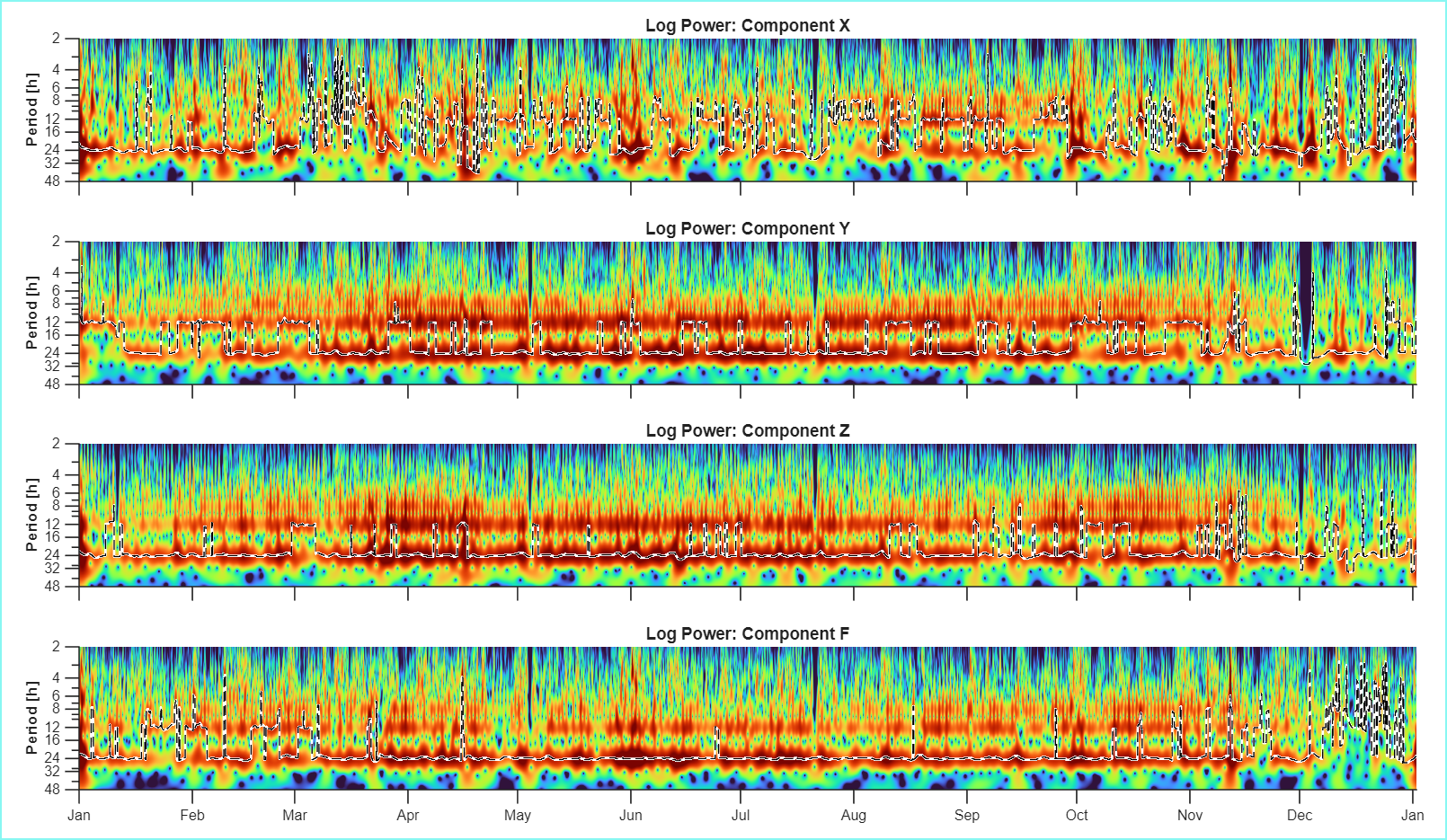
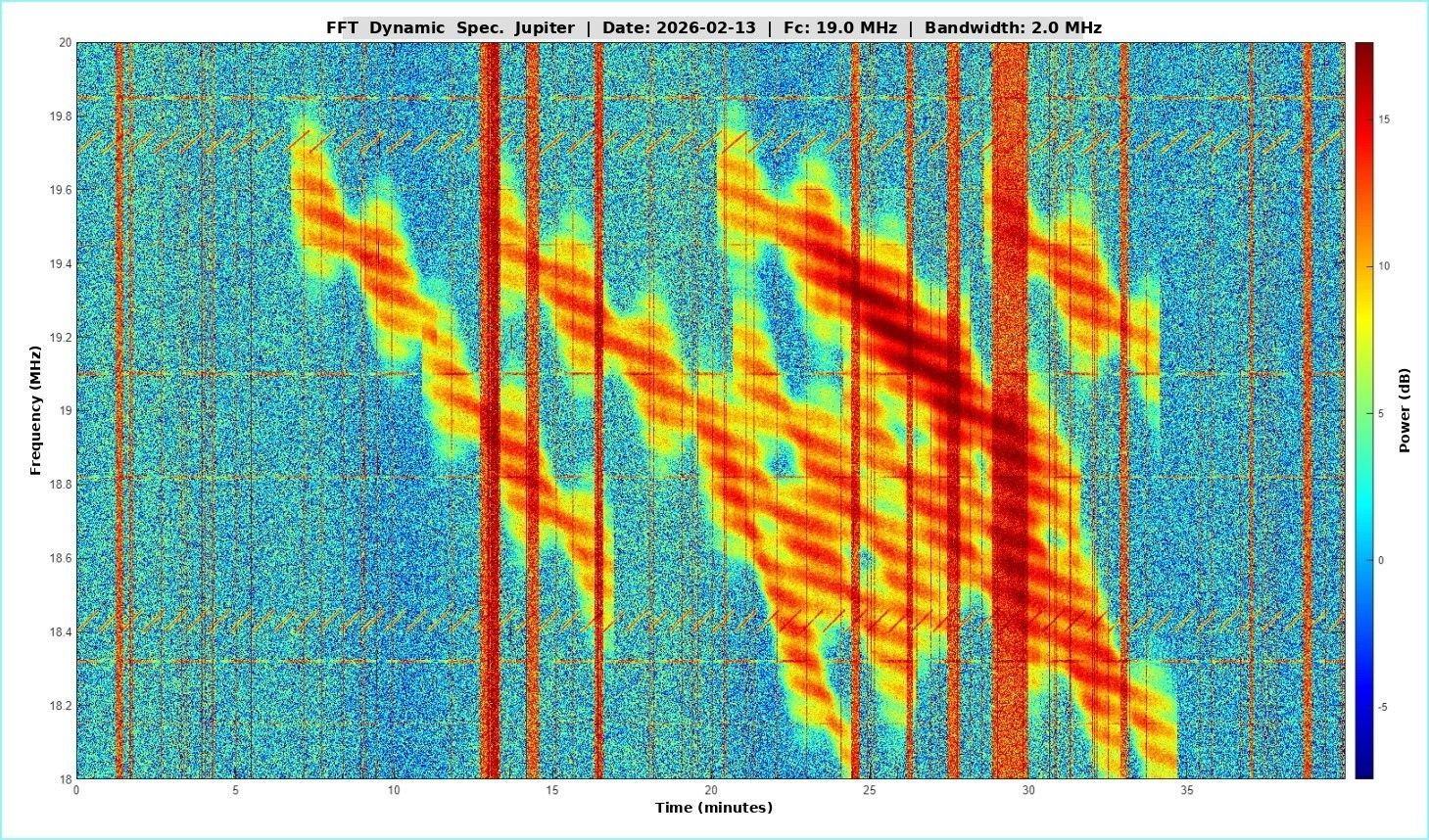
detailed study of regional features of ionospheric activity (by registering radio-scintillations of natural cosmic sources) and geomagnetic field (by data from magnetometers), as response to solar activity (using intensity variations of cosmic rays as indirect indicator of solar wind disturbances), in the Finland-Latvia-Ukraine “Struve Arc” sector. As result of the Project, for the first time detailed information will be obtained about features and interrelations of ionospheric scintillations and geomagnetic variations in Latvia, and results will be compared with data from Subpolar region of Finland and Odessa geomagnetic anomaly in Ukraine, also with partners observatories in Poland and Bulgaria. This will allow to study similarities and differences in regional “space weather” effects, especially during period of extremal solar activity in the 25-cycle.
Another significant aim is to contribute to the professional development of the postdoctoral lead researcher Artjom Sukharev by acquiring new skills and establishing new contacts.
This project will promote geophysical knowledge in Latvia, as no such high-level research using LOFAR and RT-32 antennas has been conducted before. The aim of the project is to develop cooperation between Ventspils University of Applied Sciences and partner organizations from Finland, Poland, Bulgaria, and Ukraine.
Main Activities:
- Study of variations in the geomagnetic field, cosmic ray intensity, and regional manifestations of “space weather” in the “Struve Arc” sector for solar activity events.
- Augmenting of the LOFAR LV614 and RT-32 software to the registration of radio-scintillations, and study of their properties and connection with solar activity.
- Analysis of the interrelation between variations in cosmic rays, the geomagnetic field, and regional “space weather” effects.
- Communication and dissemination.
Project Results:
- A Catalogue of various properties of scintillations, features of cross-spectral relationships, mutual influence of variations of cosmic rays and geomagnetic field, in the “Struve Arc” sector of Latvia-Finland-Ukraine, including manifestations of the response of a geomagnetic anomaly to active Space Weather conditions, which will be published as a separate catalogue of observations.
- Adaptation of the LOFAR LV614 station to the Space Weather research program with perspectives for future research.SCOPUS articles: 6 including 3 (Q1-Q2).
- Scientific databases and datasets: 3
- Software copyrights: 2
- Project proposals: 3
- 1 public lecture, 3 press releases, 1 popular science article, and 10 conference reports; 6 preprints; 2 seminars.
Contacts:
Postdoctoral lead researcher – Artem Suhkarev,
magister_phys@yahoo.com
Contact person: Vitālijs Petkevičs,
vitalijs.petkevics@venta.lv
The research proposal “Research on Space Weather During Solar Cycle 25 Observed Along the ‘Struve Geodetic Arc’,” No. 1.1.1.9/LZP/1/24/048 is implemented under project No. 1.1.1.9/1/24/I/001 and is co-financed by the European Regional Development Fund.
The project is implemented under the European Union Cohesion Policy Programme 2021–2027, specific support objective 1.1.1 “Strengthening Research and Innovation Capacity and the Introduction of Advanced Technologies in the Joint R&I System,” activity 1.1.1.9 “Postdoctoral Research.”
PROJECT NEWS