Europe’s LOFAR Radio Telescope Network Undergoes Major Modernization
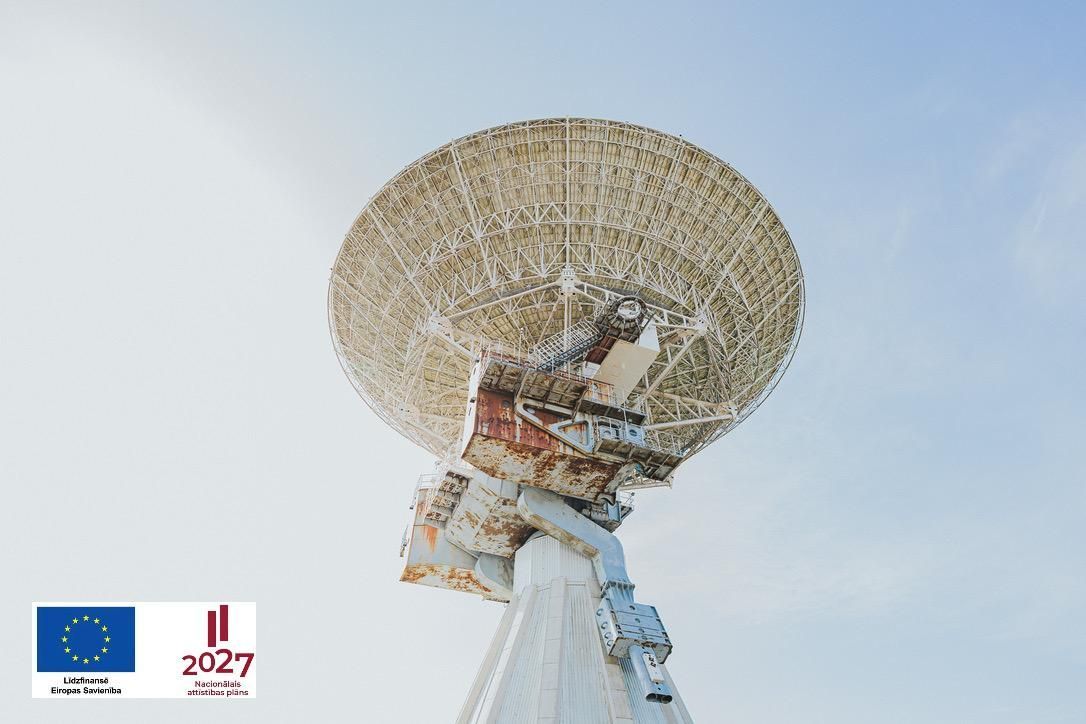
A major upgrade is transforming one of Europe’s most powerful astronomical instruments, promising sharper views of the Universe, faster discoveries, and new opportunities for scientific research. Known as LOFAR 2.0, the radio astronomy network modernizes the European Low Frequency Array (LOFAR), a giant radio telescope made up of antenna stations spread across eight countries, including Latvia's station in Irbene.
Unlike traditional telescopes, LOFAR works by combining signals from thousands of antennas across Europe into a single virtual instrument. The network can observe some of the lowest radio frequencies reaching Earth, helping scientists study distant galaxies, black holes, cosmic rays, and even processes in the Earth's ionosphere. With the new upgrade, LOFAR stations will be able to observe a much wider range of frequencies simultaneously, increasing both efficiency and scientific capability.
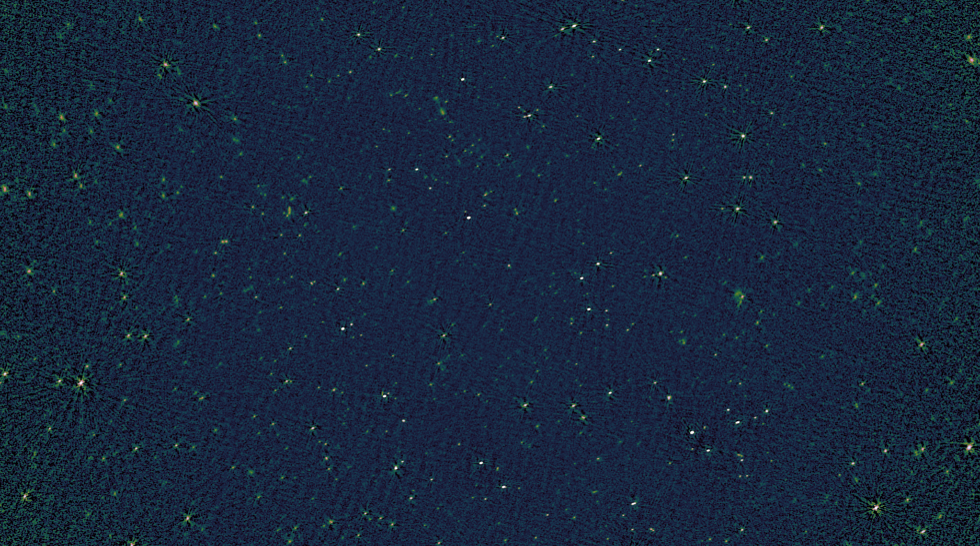
The ELAIS-N1 field observed during LOFAR 2.0 commissioning demonstrates the significantly improved sensitivity achieved by the upgraded telescope system.
The results are already impressive. During early test observations, LOFAR 2.0 achieved more than twice the sensitivity of the previous system. Scientists can now collect the same quality data in just one-fifth of the observing time required before. The upgraded system also introduces entirely new capabilities, including the ability to capture extremely fast radio signals and study lightning and the energetic cosmic rays with nanosecond precision.
The modernization is considered essential because much of the original LOFAR hardware dates back to around 2010 and is nearing the end of its operational lifetime. Several countries have already completed or scheduled their upgrades. All Dutch stations have been converted, while Sweden became the first international partner to join the new system. Bulgaria and Italy are expected to follow in the coming years.
For Latvia, the upgrade could be especially important. The Irbene LOFAR station occupies a unique position on the eastern edge of the network, helping provide some of the longest distances between stations. These long baselines are crucial for producing the telescope's highest-resolution images. As a result, improvements made at Irbene would have an outsized impact on the performance of the entire international network.
With scientific verification of LOFAR 2.0 beginning in 2027 and the first full observation cycle planned for 2028, Latvia faces an important decision. Upgrading Irbene would ensure the country remains an active participant in one of Europe’s leading astronomy infrastructures, opening the door to new discoveries and helping maintain Latvia's role in cutting-edge space science.
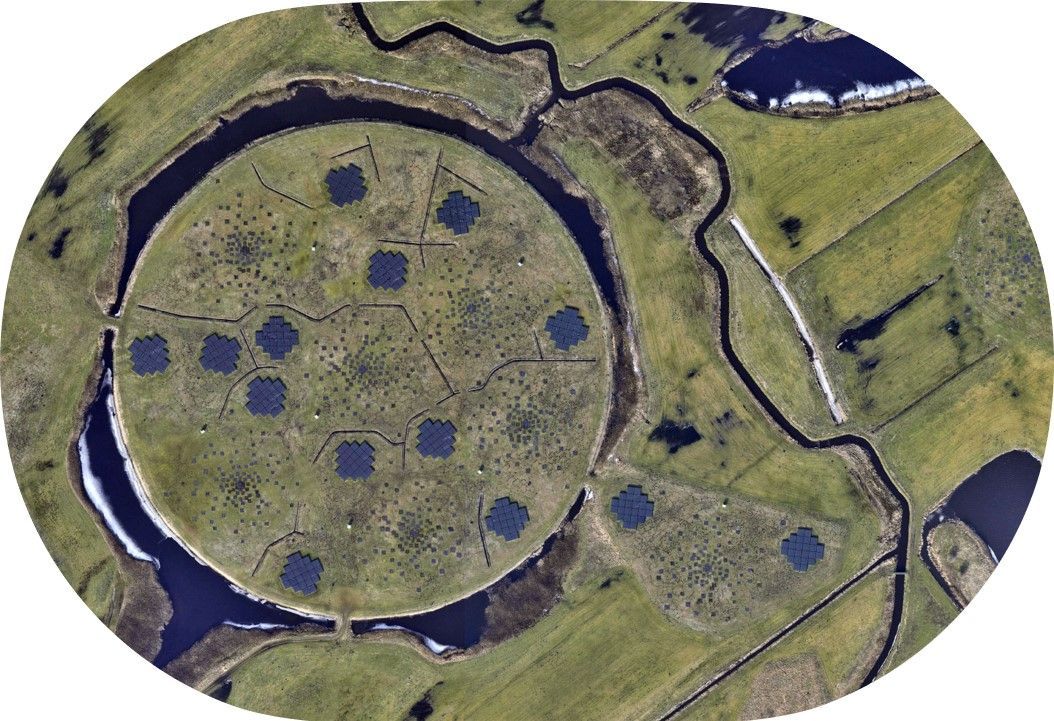
Central core of the giant telescope array in the Netherlands: LOFAR Superterp.
This information has been prepared within the framework of the project “Ventspils University of Applied Sciences` International Cooperation and Innovation for the Development of Latvia’s Smart Specialisation” (Project No. 1.1.1.5/3/25/I/012).
Share on other platforms
Other news