Students Get to Know Ventspils Entrepreneurs

May 1, 2025

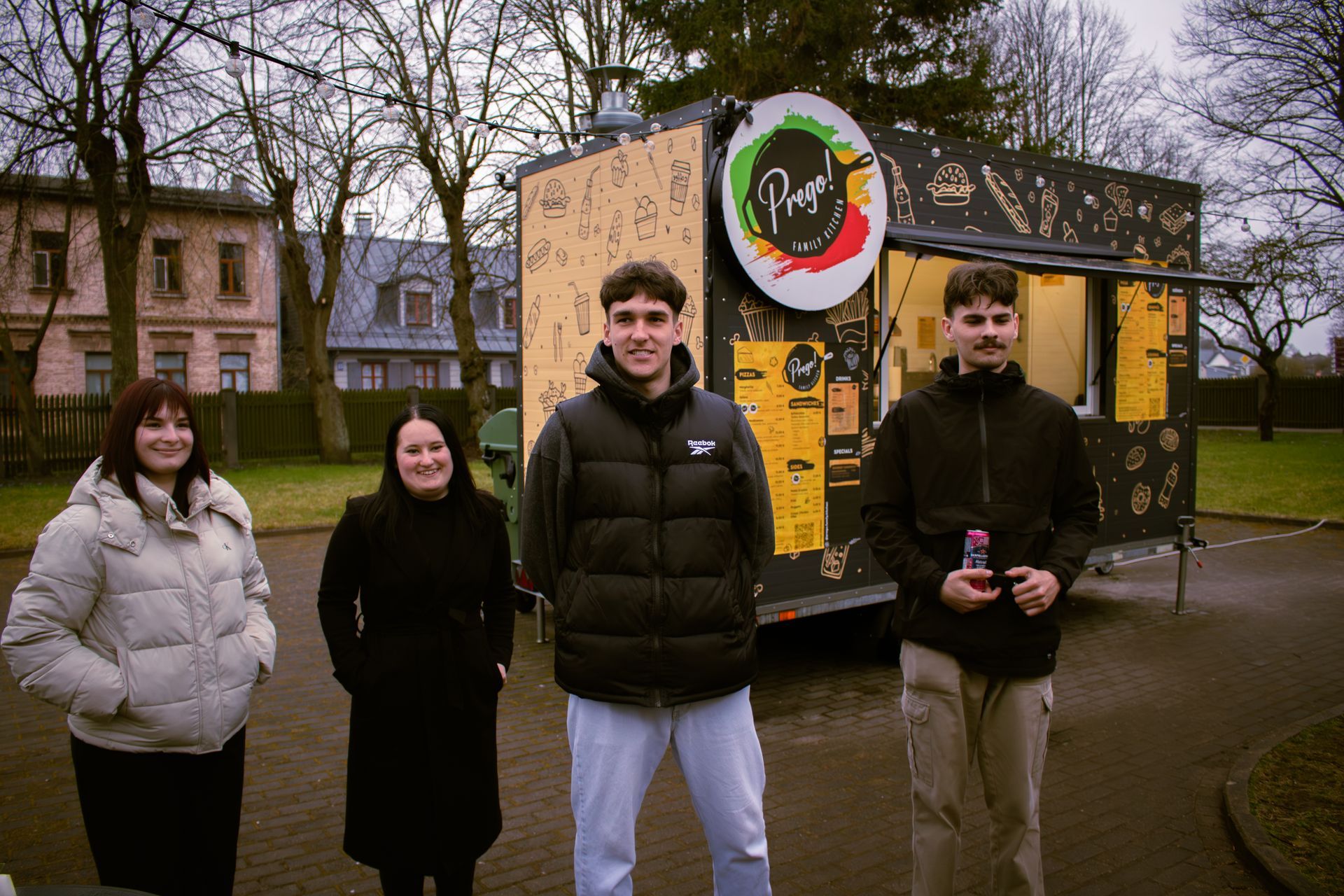
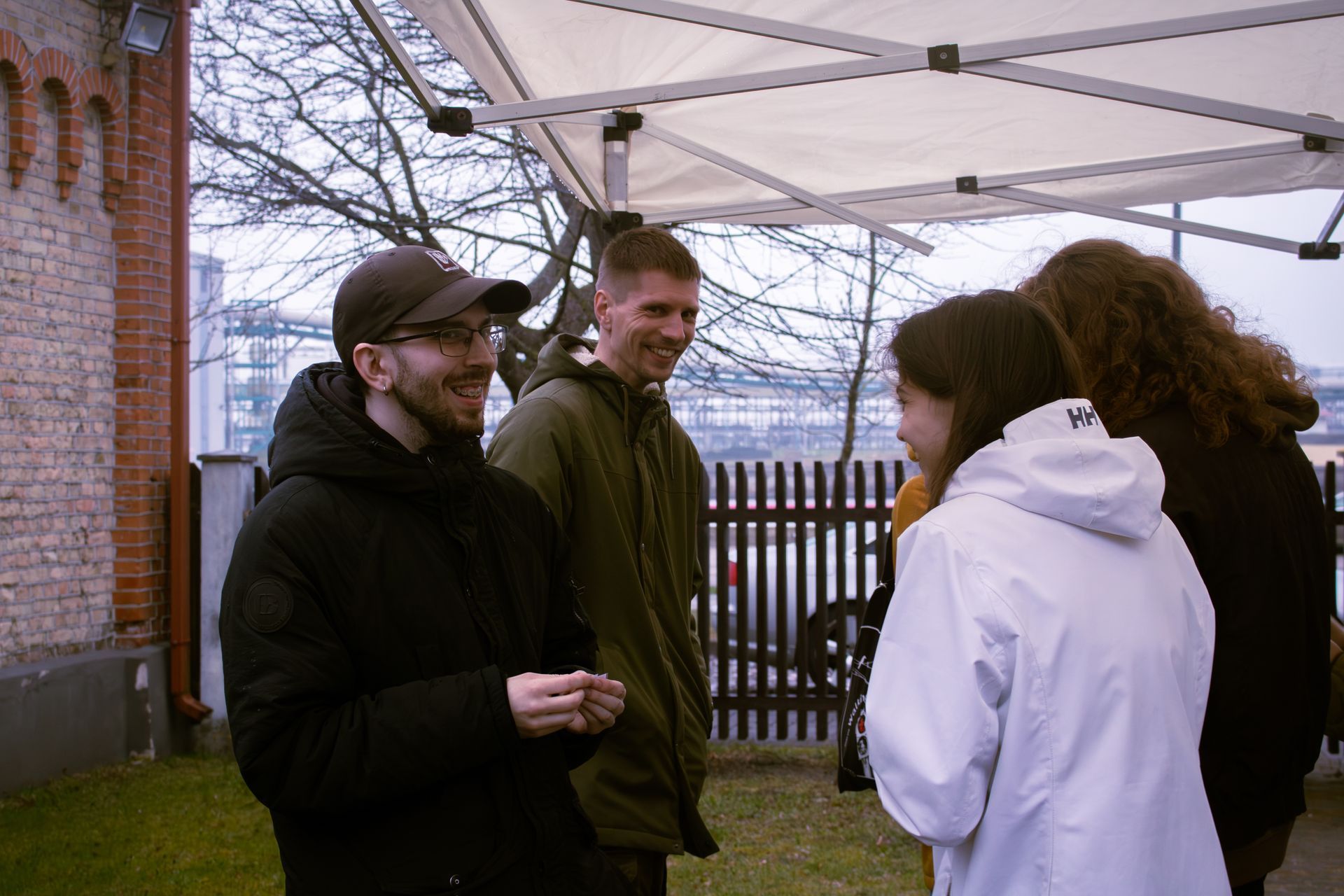
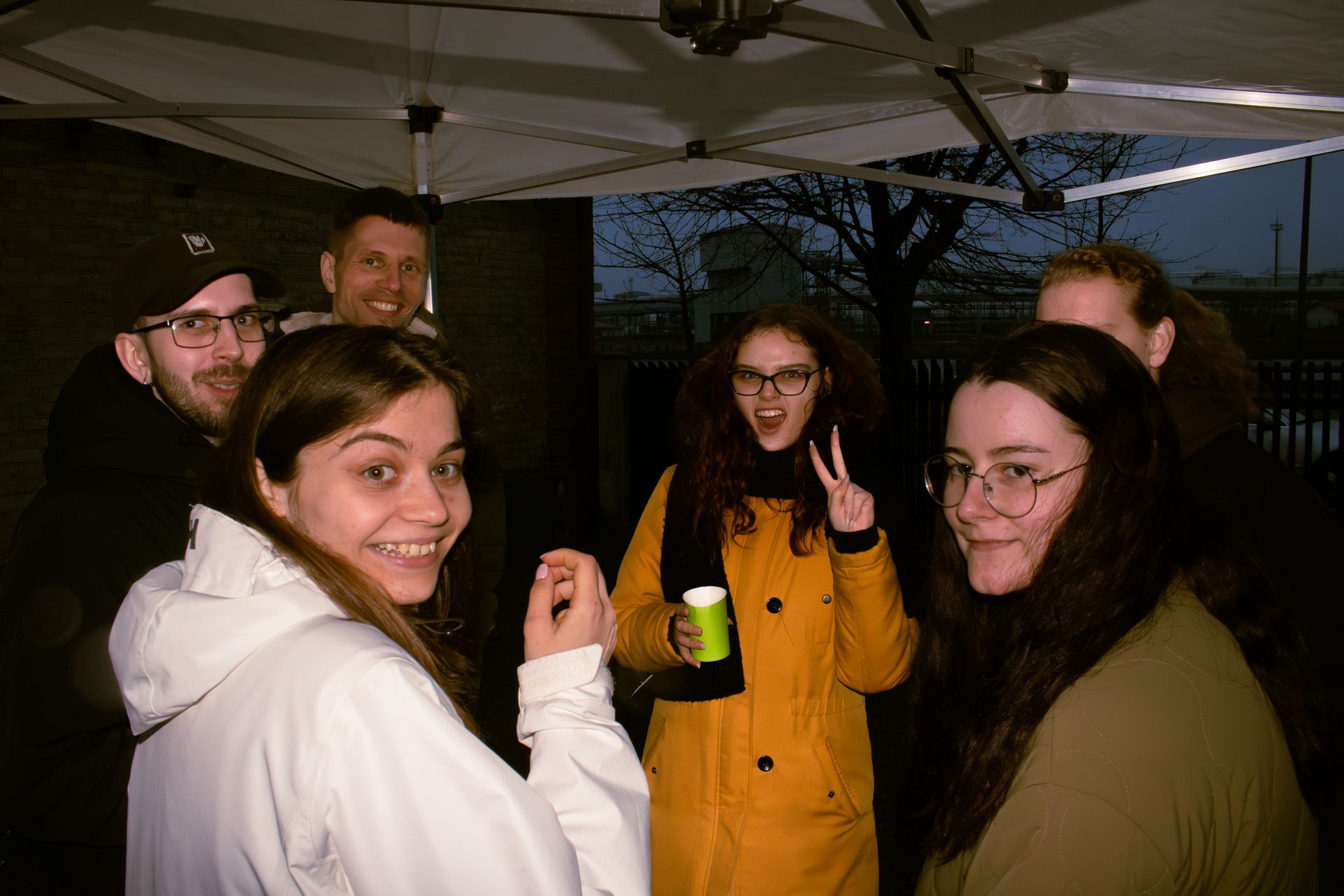
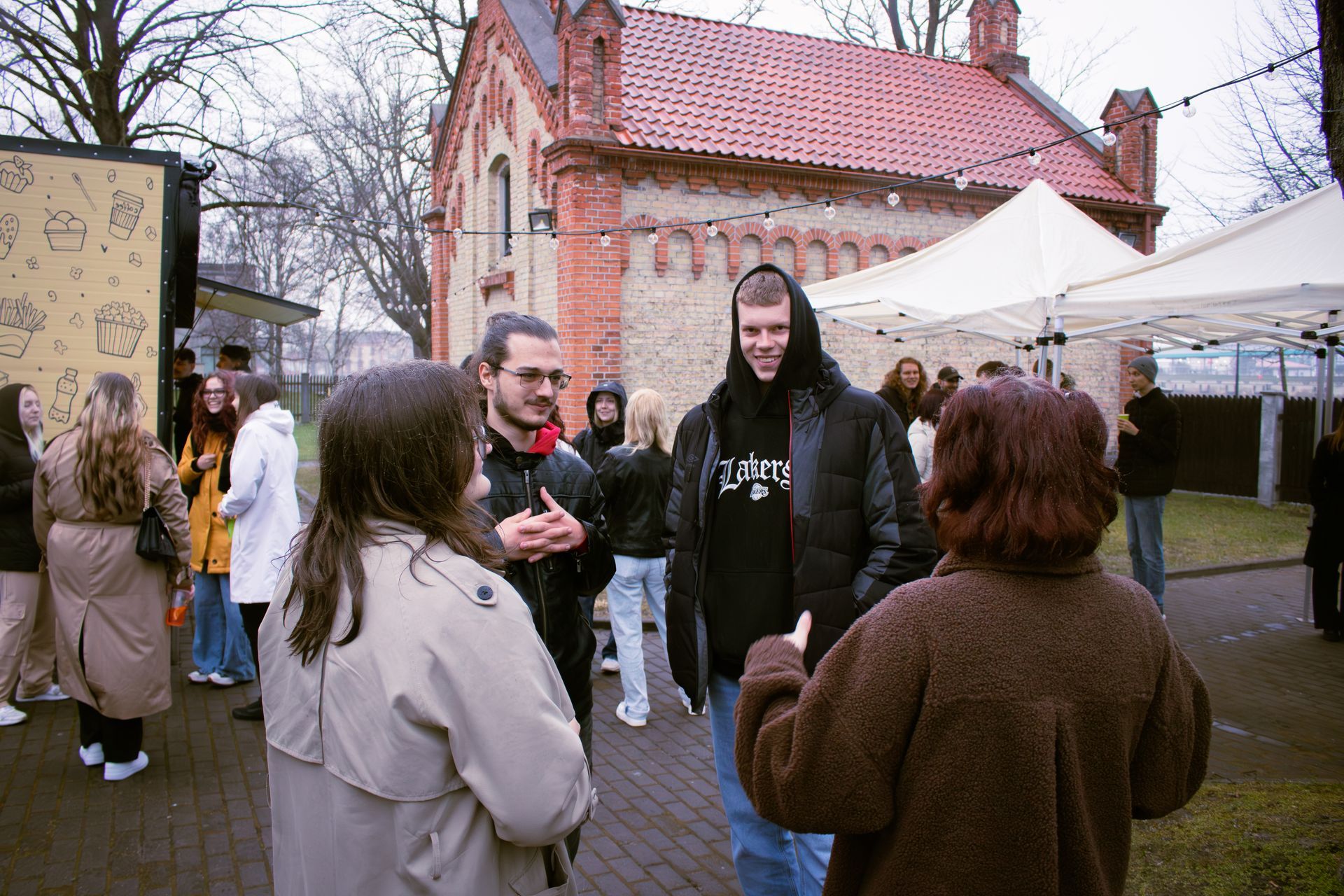
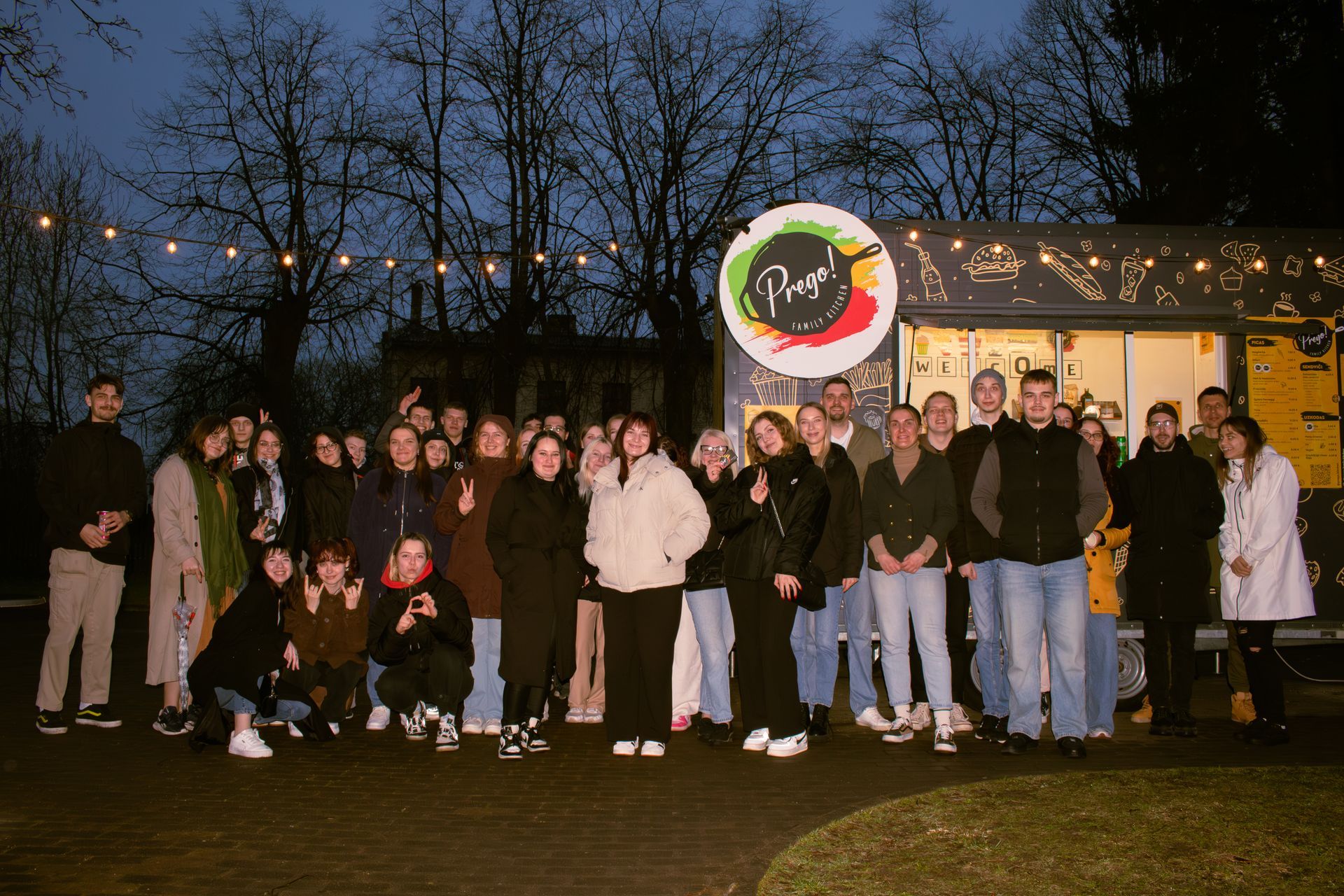
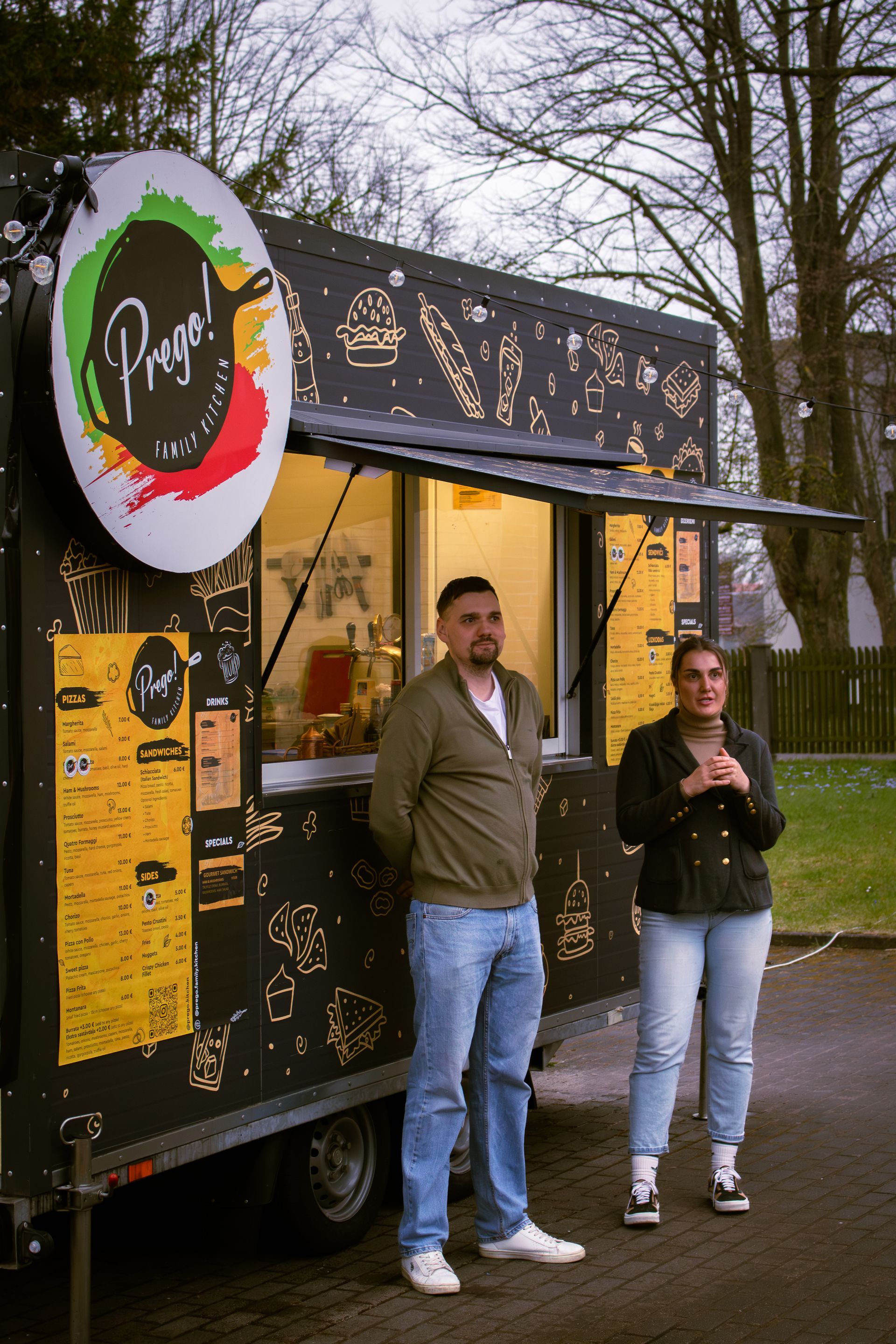
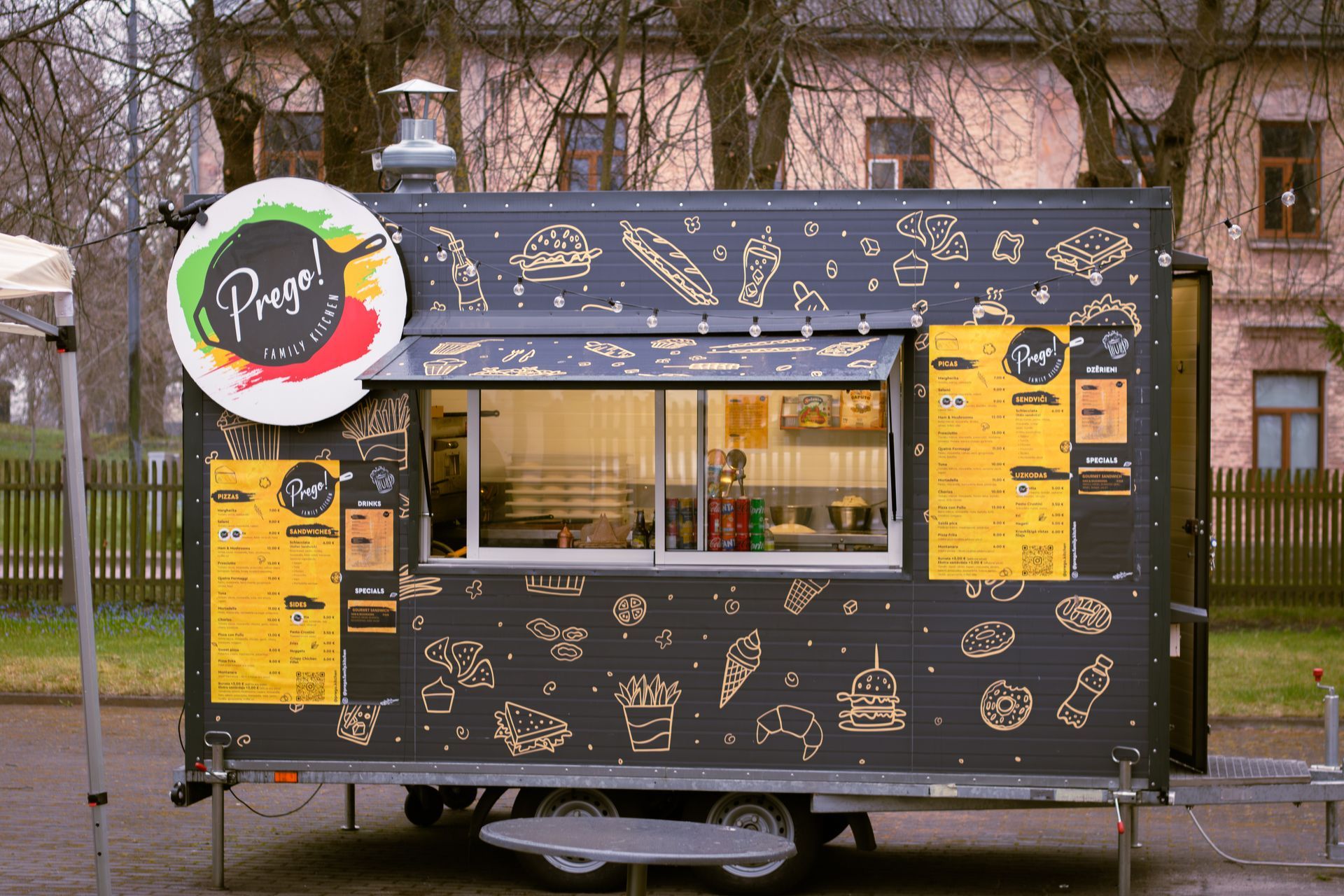
Students from Ventspils University of Applied Sciences (VUAS) visited Prego Family Kitchen, located at Ostas Street 55 in Ventspils, to explore the business environment, learn from an entrepreneur's real-life experience, and participate in masterclasses and discussions aimed at developing business skills and generating sustainable ideas.


A total of 38 students visited the company to broaden their understanding of business operations and entrepreneurial principles. During the event, students engaged in practical workshops and discussions that fostered creative thinking and collaboration. These activities provided valuable insight into the company's daily operations and management approach, as well as inspiration from real-world entrepreneurial stories.

It is worth noting that locals from Ventspils founded Prego Family Kitchen, which is currently run by siblings Lelde and Mārcis Zarāns. The company is well-known among locals for its popular pizzas.


The event was organised by students from the Faculty of Economics and Management at VUAS—Dagnija Gaidlazda, Jekaterina Gromovaja, Gvido Kārlis Beļakovs, and Sandris Krauze—under the guidance of Elīna Feldmane, Director of the Professional Bachelor's Study Program in Business Management. They noted that this initiative supports both students' career planning and their sense of belonging to VUAS and the city of Ventspils, motivating them to contribute to Ventspils' future development.


The event was implemented within the project "From Student to Entrepreneur in Ventspils", supported by the Ventspils State City Municipality's subprogram "Support for Ventspils University of Applied Sciences Students and Student Organisations", which aims to promote youth leisure activities and active recreation.


Additional activities related to Ventspils' business environment are planned within the "From Student to Entrepreneur in Ventspils" project, including masterclasses and co-creation workshops, offering a diverse and practice-based approach to students' professional growth.
Share on other platforms

Other news
By Rota Rulle December 4, 2025
On November 20, Aiga Bādere, a lecturer at the Faculty of Translation Studies, visited Brussels to conduct a seminar on post-editese for the Latvian translators of the European Economic and Social Committee and the European Committee of the Regions. As part of her doctoral research, the lecturer has previously conducted similar training seminars, addressing the post-editing of machine-translated texts for Latvian translators, including members of the European Commission’s Directorate-General for Translation, the Latvian Association of Interpreters and Translators, and other participants. According to Aiga Bādere, it is rewarding when a seminar inspires a discussion about the current and future state of the translator’s profession; however, what she enjoys even more is meeting Ventspils University of Applied Sciences graduates in Brussels. The lecturer notes that she managed to see only a small part of the city, yet she was impressed by the glass buildings accommodating numerous EU institutions and by the wealth of multilingualism. Notably, linguistic richness is frequently the factor that creates problems for machine translation, which was covered during the seminar. At the same time, the seminar focused on how machine translation affects the Latvian language.
By Rota Rulle December 4, 2025
On November 27, Ventspils University of Applied Sciences hosted its first seminar "Living and Studying in Ventspils: An Informative Seminar" for international students. The aim of the seminar was to introduce students to general legal provisions, life in the university's dormitory, academic integrity, opportunities at the Ventspils Youth House, and public transport options in Ventspils. The informative afternoon was opened by lecturer and director of the study programs "Intercultural Communication" and "Strategic Intercultural Communication" Rūta Maltisova, and an introductory speech was given by Andris Vaivads, Rector of Ventspils University of Applied Sciences, who inspired students to complete their studies with a diploma in their hands and a smile on their faces. The first speaker at the seminar was Arvīds Šenbergs, a representative of the State Border Guard, who reminded the audience about work permits, general legal regulations, and public order requirements. Elizabete Apiņa-Fleisa, a first-year student of the study program "Intercultural Communication," spoke about the Ventspils University's dormitory. Elizabete refreshed the students' knowledge of the main general rules of conduct not only in their rooms, but also in the common areas. The information was given in Latvian and was translated into English for the foreign students. Also, they had the opportunity to ask questions and receive answers from the administration of the VUAS dormitory. The students were also surprised by representatives from the Ventspils Youth House, Elīna Ērkšķe and Bulut Ergun. The representatives talked about volunteer work at the Youth House and its many opportunities, such as team-building activities and workshops, and encouraged students to get involved in projects and monthly events. Rūta Maltisova reminded foreign students about academic integrity, mentioning how important it is to be honest, fair, and respectful towards one's own and others' work and people. As the afternoon drew to a close, Bogdans Pantejevs, a 4th-year student of the Intercultural Communication study program, gave a presentation on Latvian culture and public transport options in Ventspils. Bogdans encouraged foreign students to try the diverse Latvian cuisine and kindly recommended various public transport apps to make their life in Latvia more convenient. At the end of the event, students had the opportunity to test their knowledge in a Quizzit test created by Līva Slesare, a second-year student of the Intercultural Communication Program, in which the three most knowledgeable foreign students could win Ventspils non-monetary means of payment “Venti”, which offers discounts at various active recreation, entertainment, and tourist sites in Ventspils. Information provided by: Elizabete Apiņa-Fleisa (“Intercultural Communication, 1 st year student)
By Inta Ozola November 28, 2025
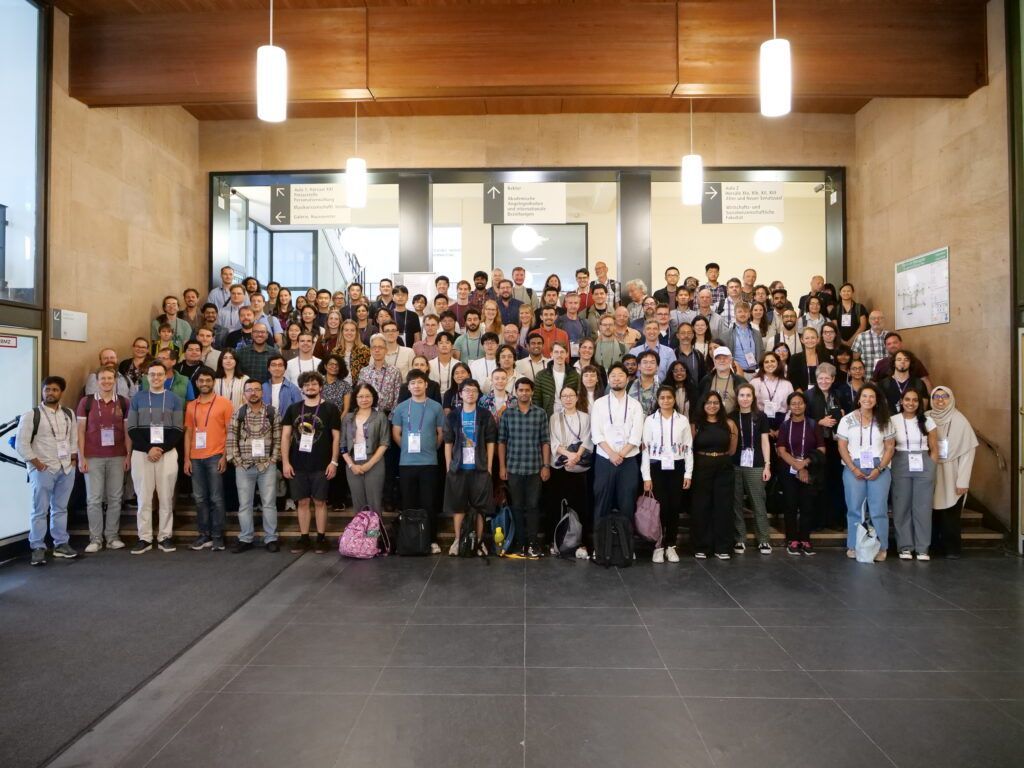
Over two days, 12–13 November, Ventspils University of Applied Sciences hosted the 9th International Scientific Conference Baltic Applied Astroinformatics and Space Data Processing (BAASP), organized by the Engineering Research Institute “Ventspils International Radio Astronomy Centre”. The conference brought together scientists from the Baltic States, Europe, and other parts of the world to share research on astrophysics and radio astronomy, near-Earth space studies, and space technologies. The BAASP conference is held in Ventspils every two years. This conference series serves as a platform for fostering and strengthening international cooperation and knowledge exchange in the Baltic region and worldwide. It brings together astronomers, space scientists and engineers, as well as experts from related fields such as computer science, electronics, satellite technologies, geodesy, remote sensing, and environmental sciences. This year’s conference gathered participants from Ventspils University of Applied Sciences, the University of Latvia, Riga Technical University, and representatives from Lithuania, Estonia, and Finland, as well as from Ukraine, Spain, Nigeria, Algeria, and China. Thus, the geographical reach of this year’s participants extended well beyond the Baltic region. The keynote speakers were Professor Andris Slavinskis from the University of Tartu (Estonia), Dr. Oleg Ulyanov from the Radio Astronomy Institute of the National Academy of Sciences of Ukraine, and Professor Ilya Usoskin from the University of Oulu (Finland). In total, the conference participants delivered 29 presentations. BAASP 2025 continued the discussion on how emerging technologies are shaping astronomy, space science, geosciences, and remote sensing. As emphasized in the conference topics, so-called “big data” plays an increasingly important role in space science, requiring powerful capabilities for data acquisition, management, processing, and interpretation. Astroinformatics, as an interdisciplinary field, combines space science with high-performance computing, artificial intelligence, and machine learning, enabling major advancements in observational astronomy, satellite technologies, and Earth–space interaction studies. In recent years, Europe has continued to play a significant role in the development of next-generation astronomy. The expansion of the LOFAR low-frequency antenna network across the continent, including the Baltic region, enables high-resolution studies of cosmic magnetism, solar activity, and transient radio phenomena. The European VLBI Network (EVN) has significantly enhanced its real-time e-VLBI capabilities and sensitivity across a wide frequency range, supported by UK-based stations such as Jodrell Bank and e-MERLIN. These improvements have contributed to precise localization of fast radio bursts and compact extragalactic sources. Technological progress also enables automated, rapid-response observation modes. This emerging field integrates radio, optical, gravitational-wave, and neutrino data to study high-energy cosmic events such as neutron-star mergers and magnetar flares. At the same time, AI-driven data acquisition, on-board satellite computing, and quantum-technology-based algorithms open new possibilities for real-time analysis and autonomous decision-making in both Earth-observation and deep-space missions. CubeSats and modular satellite platforms continue to transform the landscape of low-cost, high-impact space research, creating new demands for data-integration and security models, as well as cross-domain interoperability. “During the conference we focus on space science both from the scientific and technological perspectives—data processing, algorithms, electronics, receivers, and astrophysics and astronomy as such,” explained Ventspils International Radio Astronomy Centre researcher Vladislavs Bezrukovs. The presentations largely reflected ongoing projects. “One of the conference topics is space weather. The Sun is currently at the peak of its activity cycle; a magnetic storm is approaching, and there have just been three large solar flares. Several talks at the conference were related to solar studies and extreme solar and space conditions,” Bezrukovs noted. “There were also presentations on instruments that allow us to observe the cosmos—telescopes and transmitters. We position ourselves as a deep-space communication center, and these presentations show how this technology is progressing. The conference also covered galactic and extragalactic studies, fundamental science, and fundamental astrophysics.” Rector of Ventspils University of Applied Sciences, Andris Vaivads, highlighted one of the conference topics especially relevant to the university—the presentation by Ventspils International Radio Astronomy Centre research assistant Gints Jasmonts on Modeling Comet Activity for the European Space Agency’s Comet Interceptor Mission. “Doctoral student Gints Jasmonts presented research on comet modeling—how comet tails form and how comae (envelopes of gas and dust) develop around comets. Several of our scientists work in this field, and Ventspils University is involved in ESA’s upcoming Comet Interceptor mission. This mission will travel to a fixed point in space and wait for an unknown object entering the Solar System from interstellar space, which will then be studied. Our researchers are modeling how the environment around such an object might look and how different instruments on the spacecraft could observe it. The Ventspils-based company Bitlake Technologies is also involved in system development for this mission,” Vaivads said. Expanding on this, Bezrukovs added: “This is especially relevant now because an interstellar comet, 3I/ATLAS, is currently traveling through the Solar System, raising many questions—and the Comet Interceptor mission will study such possible future visitors.”  Speakers delivered their presentations over two days, and on the second day participants also visited the International Radio Astronomy Centre in Irbene. “I hope this may become an annual event. The number of speakers is growing, so there is interest in making the conference broader and more frequent,” Bezrukovs added.
By Rota Rulle November 19, 2025
Ventspils University of Applied Sciences warmly invites doctoral students to take part in our upcoming Language Café – "Science in Plain Language", an event designed to help researchers express complex ideas in clear, accessible, and engaging ways. The event will take place online on Zoom platform, on November 28, 10:00 AM-12:00 PM CET (11:00 AM-1:00 PM Riga time). Work language: English Communicating science effectively is an essential skill in today’s diverse academic and professional environment. During this interactive session, linguist and plain-language expert, VUAS lecturer and guest researcher Aiga Veckalne will introduce the principles of plain language and share practical techniques for presenting research so that it can be understood by wider audiences. After the introduction, participants will be divided into mixed-cultural discussion groups to explore their own research topics and practice communicating them in clear, concise language. The session will conclude with short group presentations summarising the key insights. Doctoral students are encouraged to bring along their morning coffee, relax, and enjoy a welcoming and supportive atmosphere where learning is shared and curiosity is celebrated. We look forward to seeing you at the Language Café and to engaging in meaningful, inspiring conversations about science, clarity, and communication. To register, please fill out the survey here: https://forms.gle/XM9XVLjscCfKBfyD7 Zoom link will be sent to your email after registration.
By Rota Rulle November 8, 2025
Electronics engineering students from Ventspils University of Applied Sciences (VUAS) developed a probe that carried a can of “Rudy’s Kombucha” into near space, reaching an impressive altitude of 28,690 meters – nearly 30 kilometers above the Earth’s surface. While trying to locate the probe afterward, the students encountered major GPS signal disturbances across the Kurzeme region, so they called on radio amateurs for assistance. Working together, they successfully located the probe near Dobele. The space mission probe was equipped with a GoPro camera that captured both the launch and the breathtaking flight. After the controlled explosion of the probe’s balloon at nearly 30 kilometers altitude, a parachute opened, ensuring the can’s safe return to Earth. The probe was launched from Ventspils airfield and, after flying approximately 140 kilometers, landed near Dobele. Jānis Šate, Director of the Electronics Engineering study program at Ventspils University of Applied Sciences, explained: “The company knew that our students develop probes, and they had the idea to attach a beverage can and launch it into space. Technically, it’s more accurate to say it was launched into the stratosphere. We discussed it in August, and within a few months, the electronics engineering students built the probe. It’s a group project in the third year of studies, and this collaboration added extra value. The most challenging part of launching the probe is creating the electronic system attached to the parachute and helium balloon. The balloon rises to about 30 kilometers, where air pressure drops, the balloon bursts, and the probe descends to Earth. Launching it is easy – the hard part is tracking and recovering it afterward. A GPS navigation system is required to continuously transmit the probe’s location. The students’ task was to design an electronic system that can operate in the stratosphere, where temperatures drop to –40°C.” “We coordinated the launch with the Civil Aviation Agency since air traffic is affected, and we also arranged it with Ventspils Airport. Eventually, the probe was found near Dobele, though there were unexpected complications – due to the global situation, GPS communications are regularly disrupted from Königsberg (Kaliningrad, Russia). Unfortunately, we launched on one of those days when signal interference over Kurzeme and the Baltic Sea was particularly strong. That meant that when the probe ascended above ten kilometers, our system showed it was no longer over Kuldīga, but over Kaliningrad. From there, spoofed GPS signals were being transmitted to mislead moving objects.
By Rota Rulle November 4, 2025
In October, VUAS COLOURS WP5, headed by Lasma Asme, joined other representatives from COLOURS partner universities gathered at Garage33, Paderborn University, Germany, for a dynamic CoLab dedicated to Mental Health, Body Image, and Equality, Diversity, and Inclusion (EDI). The three-day event, which is part of the COLOURS CoSpace initiative, brought together students, researchers, and staff from across Europe to exchange perspectives and co-create innovative approaches under the smart specialisation area of Health and Well-being. Participants from a very diverse background, under the moderation of Dr Christine Hante-Koch and Dr Alena Diedrich, discussed how issues like body dissatisfaction, eating disorders, anxiety, and depression are closely connected and how promoting a positive body image can make a real difference for people’s health. Using design thinking processes, the group also worked on the importance of creating fair and inclusive support systems that meet the needs of different communities, including women, LGBTQ+ individuals, and people facing disabilities, financial struggles, or migration challenges. The participants were divided into 4 groups and had cases ranging from how to deal with women who survived breast cancer, to isolated international students living in other countries, and how to make gamers more active while utilizing their special skills and enlarging their comfort zone. At the end of the event, each group pitched their ideas, solutions, and next steps. These solutions were evaluated and challenged by a panel of experts from multiple disciplines, with the example of Martin Persson, Professor of Health Sciences at Kristianstad University. The CoLab encouraged teamwork, creativity, and cultural exchange. The ideas developed in Paderborn will help shape future COLOURS activities and strengthen collaboration between partner universities committed to building healthier and more inclusive learning environments and society at large.
Other news