Master's Program in Translation Studies Receives Renewed Certification for Participation in the EMT Network
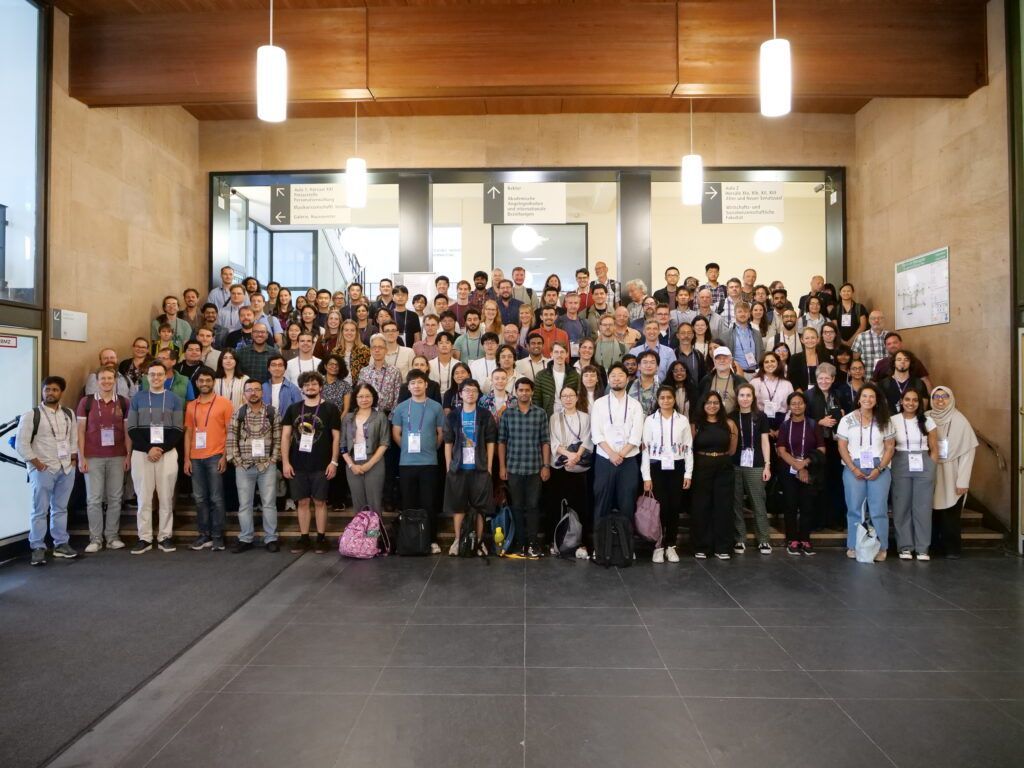
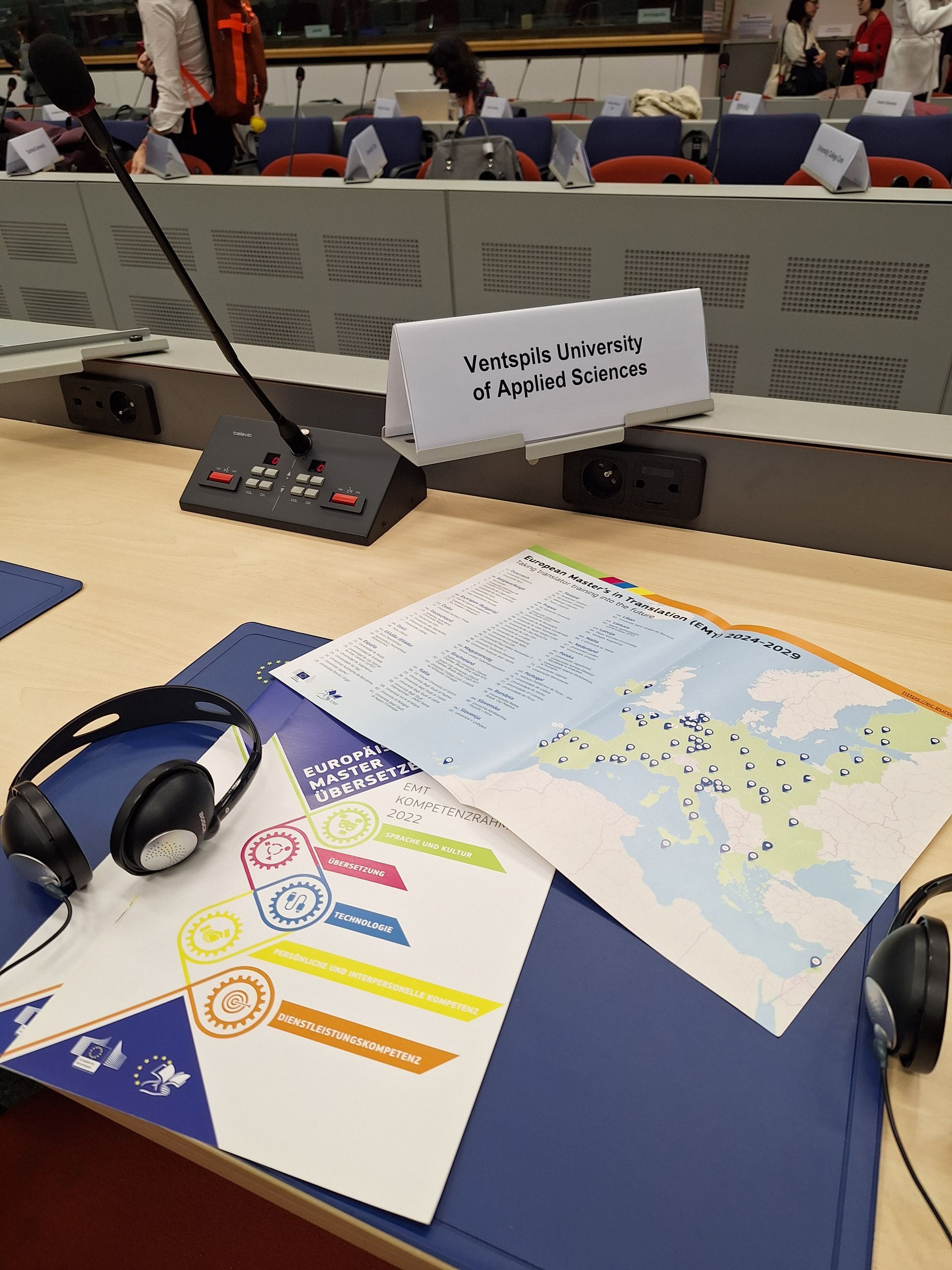
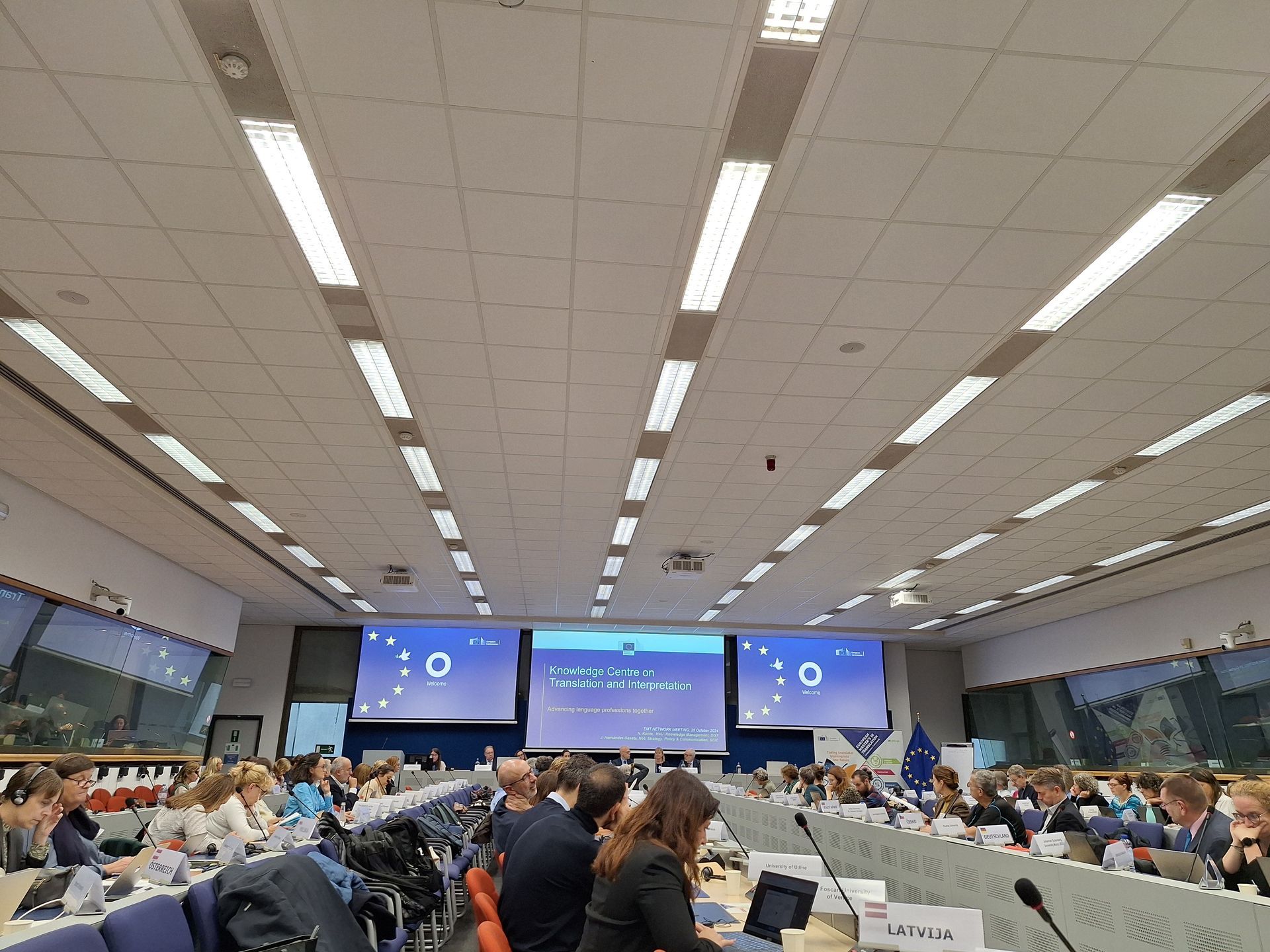
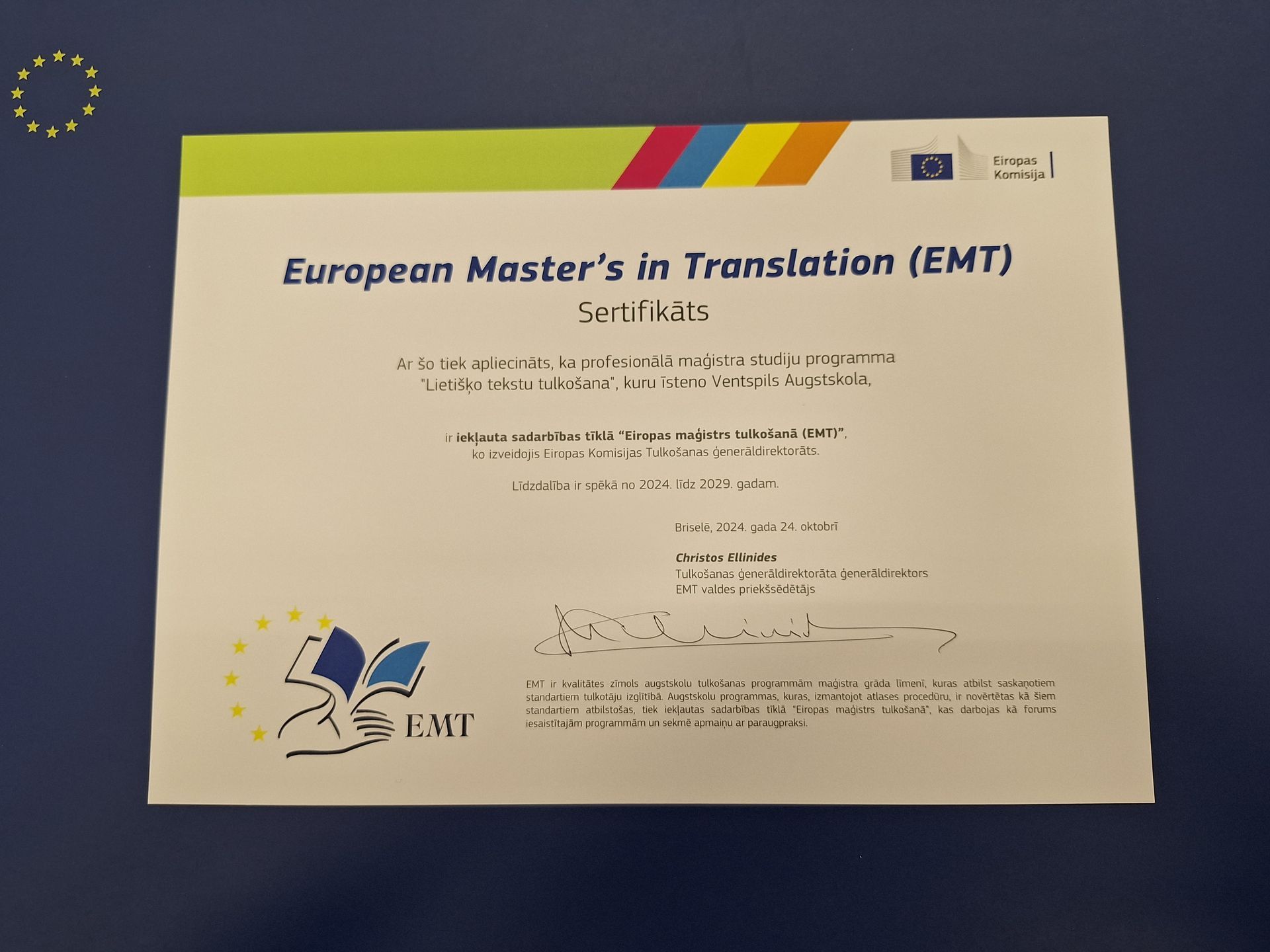
On October 24 and 25, Brussels hosted a meeting of participants in the European Master's in Translation (EMT) cooperation network, which was established and organized by the European Commission's Directorate-General for Translation. On the first day, Silga Sviķe, head of the Ventspils University of Applied Sciences professional master's program "Translation of Applied Texts" (since September 2024 – "Translation and Terminology") Silga Sviķe, was awarded a certificate confirming that the program is included in the EMT network. Ventspils University of Applied Sciences has been part of this network since 2011. The new certificate will be valid until 2029. The certificate confirms that the program meets internationally recognized quality standards, provides high-quality education, and excels in training young translators.
The EMT partner universities' master's program was represented at the meeting in Brussels by program director Silga Sviķe, who says: "It was a great pleasure and honour to represent our university and the Faculty of Translation Studies at this event. I am proud and satisfied with the work of my colleagues, because it is only together that we have achieved this result. In addition, we have been able to maintain the high quality of the program for 13 years. I am also very happy for the students who strengthen and enrich our participation in this program through their research, participation in events organized by EMT, and involvement in internships offered by EU institutions. Thank you all for your work!"
The fourth EMT network has accredited the largest number of translation programs ever for the next five years – a total of 81 master's programs from 78 European universities and one Lebanese university. Twenty-three countries are represented in this EMT convening. Participation in the EMT network is a mark of quality – this quality label is only awarded to educational programs that have been developed and are implemented in accordance with European Commission standards and changing market requirements.
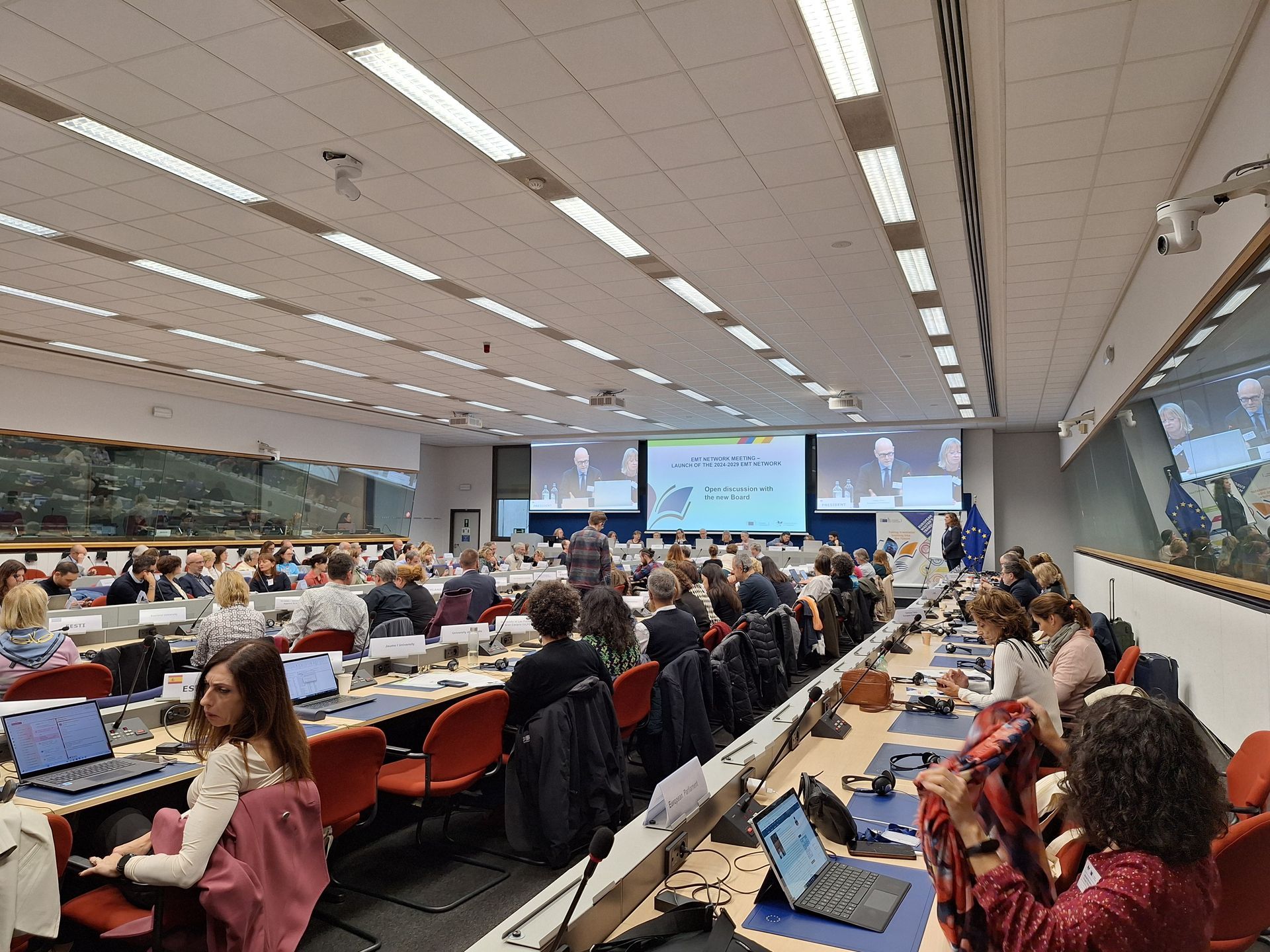
The new EMT network event in Brussels discussed current issues in the education of interpreters and translators, changes in the profession in line with modern market requirements and identified needs and key issues to be addressed in the EMT's future work. Emphasis was placed on the importance of informing the public about the role of interpreters and translators in facilitating excellent communication, communication between industry professionals and the public, and ensuring access to information. We must all be aware of how dangerous the spread of machine-translated and unedited texts by professional translators can be to society. The issue of so-called "slow translation" was raised, which is the opposite of the often-held view that machine translation tools provide fast and accurate translations without additional processing. It is important to note that the role of human professional translators and interpreters will always be relevant, not only in the production of high-quality texts, but also in economic development. Moreover, multilingual communication will only continue to expand.
EMT is a centre of excellence, and the study programs included in the network aim to train outstanding translators in line with the European Union's higher education priorities to promote the involvement of young professionals in the labour market.
Representatives of the EMT network partner programs meet twice a year (in spring and autumn), share examples of good practice, promote cooperation, participate in working groups involving representatives of all partner programs, organize various events for students, and promote the strengthening of research.
Share on other platforms
Other news