Blog
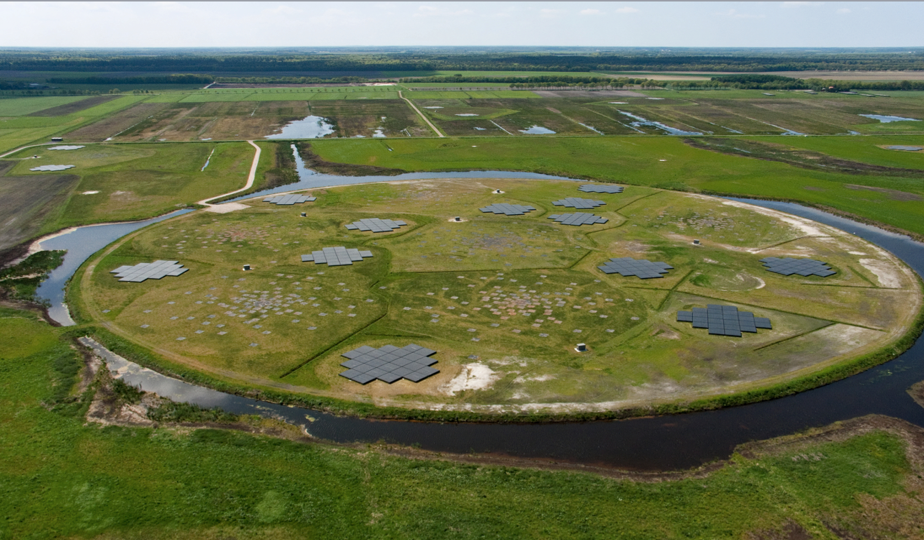
A major upgrade is transforming one of Europe’s most powerful astronomical instruments, promising sharper views of the Universe, faster discoveries, and new opportunities for scientific research. Known as LOFAR 2.0, the radio astronomy network modernizes the European Low Frequency Array (LOFAR), a giant radio telescope made up of antenna stations spread across eight countries, including Latvia's station in Irbene. Unlike traditional telescopes, LOFAR works by combining signals from thousands of antennas across Europe into a single virtual instrument. The network can observe some of the lowest radio frequencies reaching Earth, helping scientists study distant galaxies, black holes, cosmic rays, and even processes in the Earth's ionosphere. With the new upgrade, LOFAR stations will be able to observe a much wider range of frequencies simultaneously, increasing both efficiency and scientific capability.
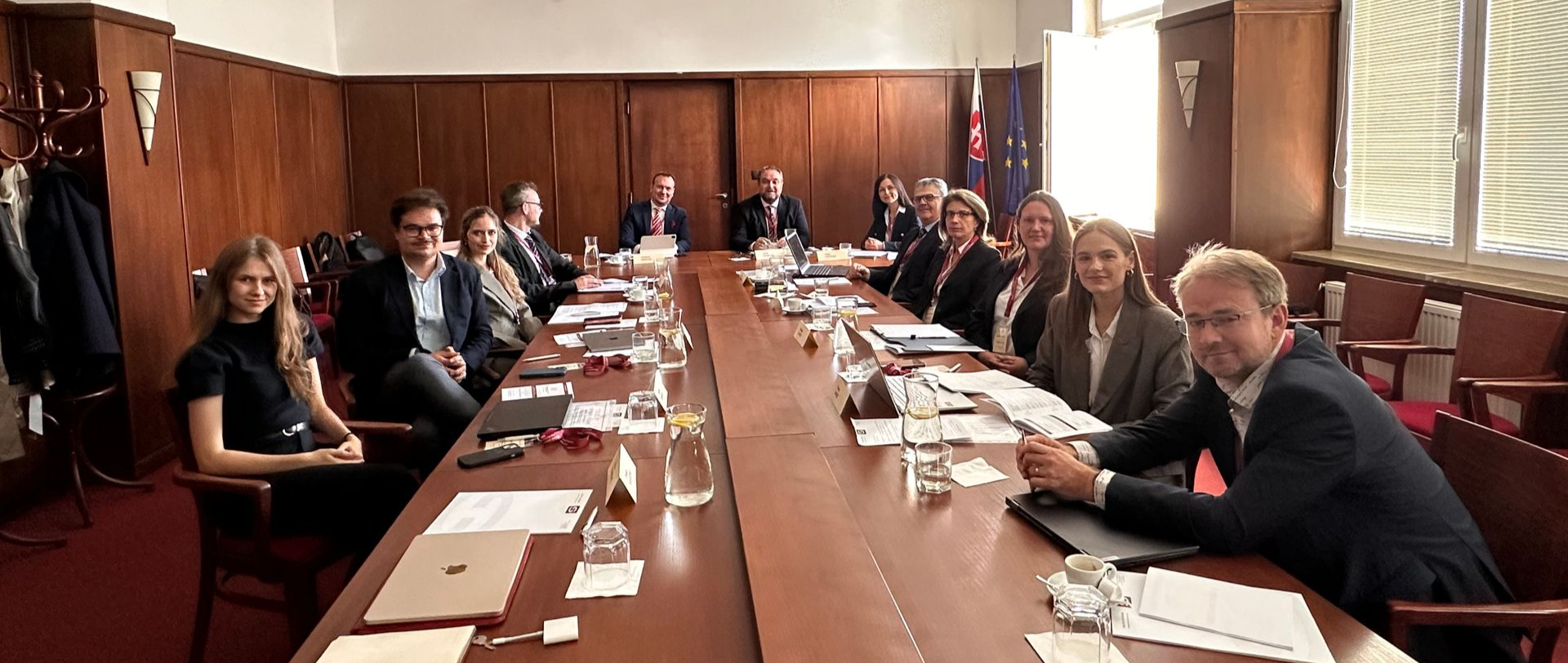
On 25 September, an international scientific symposium was held at the Faculty of Law of Trnava University, with the participation of Nansija Jotkus, a visiting research assistant and PhD student at the Ventspils International Radio Astronomy Centre (VSRC), Institute of Engineering Sciences at Ventspils University of Applied Sciences. During the symposium, she presented the study “Emerging National Space Governance in the Baltic States”, focusing on the development of national space governance and legal frameworks in Estonia, Latvia, and Lithuania. Using the comparative legal method, the study analyses the differing approaches of the three Baltic States to the governance of space activities, their participation in international space law instruments, cooperation with the European Space Agency, as well as the interaction between national regulatory frameworks and emerging regulation at the European Union level. Particular attention was paid to significant developments in recent years. The study emphasises that participation in international space law treaties alone does not ensure the full implementation of these obligations at the national level. As private and commercial space activities continue to develop, national mechanisms for the authorisation and continuous supervision of space activities, registration of space objects, liability, cybersecurity, and the sustainability of space activities are becoming increasingly important. The presentation also examined the potential impact of the EU Space Act proposal, published by the European Commission on 25 June 2025, on national space governance in the Baltic States. The emerging European Union regulatory framework may become an important factor in harmonising requirements for space activities, while Member States will still need to ensure the effective implementation of their international obligations at the national level. A comparison of the Baltic States shows that, despite their shared integration into the European space ecosystem, the countries have chosen different paths in developing their national space governance frameworks. Participation in the symposium provided an opportunity to present research conducted in Latvia to an international academic audience, discuss the role of the Baltic States in the development of European space law, and exchange knowledge and experience with space law researchers from other countries. The research is related to Nansija Jotkus’ doctoral thesis on the effectiveness of international space law instruments and their role in ensuring a sustainable space environment. Participation in the international symposium provides an opportunity to increase the visibility of Latvia’s research experience and expertise in the space sector within the international academic community, while also promoting interdisciplinary cooperation between the fields of law, science, and technology. Such international cooperation is also important for Latvia’s involvement in European research infrastructure networks. By developing cooperation with the JIV-ERIC and LOFAR ERIC consortia, Ventspils University of Applied Sciences has the opportunity to strengthen Latvia’s research capacity and international visibility in radio astronomy, astrophysics, information technologies, and data processing, as well as to foster the development of new technologies and research methods. At the same time, an interdisciplinary approach to the space sector helps build a broader understanding of its legal, scientific, and technological dimensions, which are becoming increasingly important as Latvia takes a more active role in international space and research initiatives. This information has been prepared within the framework of the project “Ventspils University of Applied Sciences` International Cooperation and Innovation for the Development of Latvia’s Smart Specialisation” (Project No. 1.1.1.5/3/25/I/012).
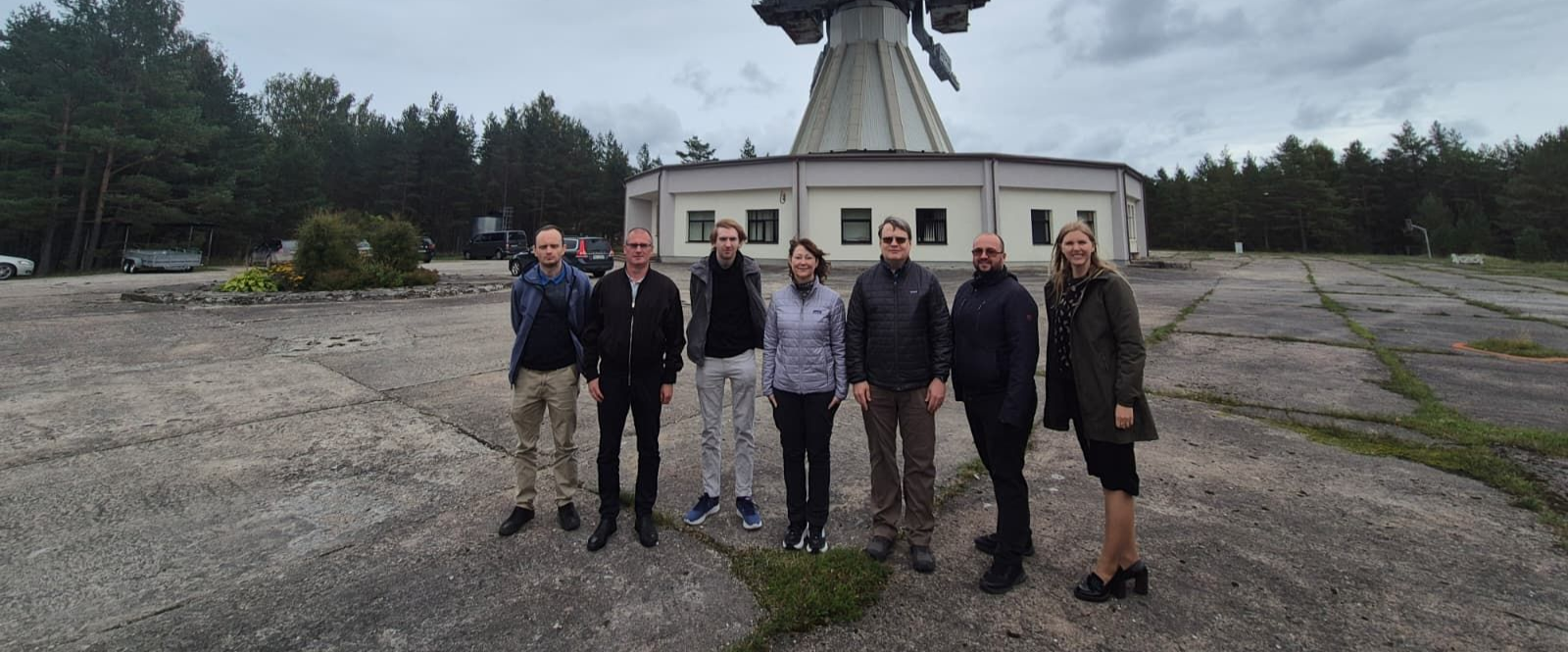
On 23 September this year, the Irbene complex of the Ventspils International Radio Astronomy Centre (VIRAC), Institute of Engineering Sciences at Ventspils University of Applied Sciences, welcomed leading astronomers and researchers from the U.S. National Radio Astronomy Observatory (NRAO) – Dr Todd R. Hunter and Dr Crystal L. Brogan. During the visit, the participants discussed further scientific cooperation and technological development in radio astronomy research. During the visit, the guests had the opportunity to explore the unique infrastructure of the Irbene radio astronomy complex, including RT-32, the largest radio telescope in Northern Europe, as well as the centre’s latest technical developments and R&D activities. Particular attention was paid to the new-generation receivers developed in-house, which enable more precise and sensitive observations of the Universe and can also be used for communication with deep-space probes. During the working meetings, the U.S. astronomers and VIRAC researchers discussed one of the major challenges facing modern radio astronomy – radio frequency interference (RFI) – as well as strategies for mitigating its impact and improving data processing. Particular attention was given to NRAO’s cooperation with the SpaceX Starlink satellite network in developing and implementing the Operational Data Sharing (ODS) tool, which helps prevent direct satellite signals from entering the field of view of NRAO telescopes. In discussing potential areas for joint research, both sides highlighted the opportunities for cooperation in astrophysics, particularly in studying the processes of massive star formation in the Universe. NRAO instruments, such as ALMA and the VLA/ngVLA, and the Irbene radio telescopes provide valuable and complementary observational data for this field of research. The visit represents an important step towards broader and more open interinstitutional cooperation between Latvia’s Ventspils International Radio Astronomy Centre (VIRAC) and the U.S. National Radio Astronomy Observatory (NRAO). This information has been prepared within the framework of the project “Ventspils University of Applied Sciences` International Cooperation and Innovation for the Development of Latvia’s Smart Specialisation” (Project No. 1.1.1.5/3/25/I/012).
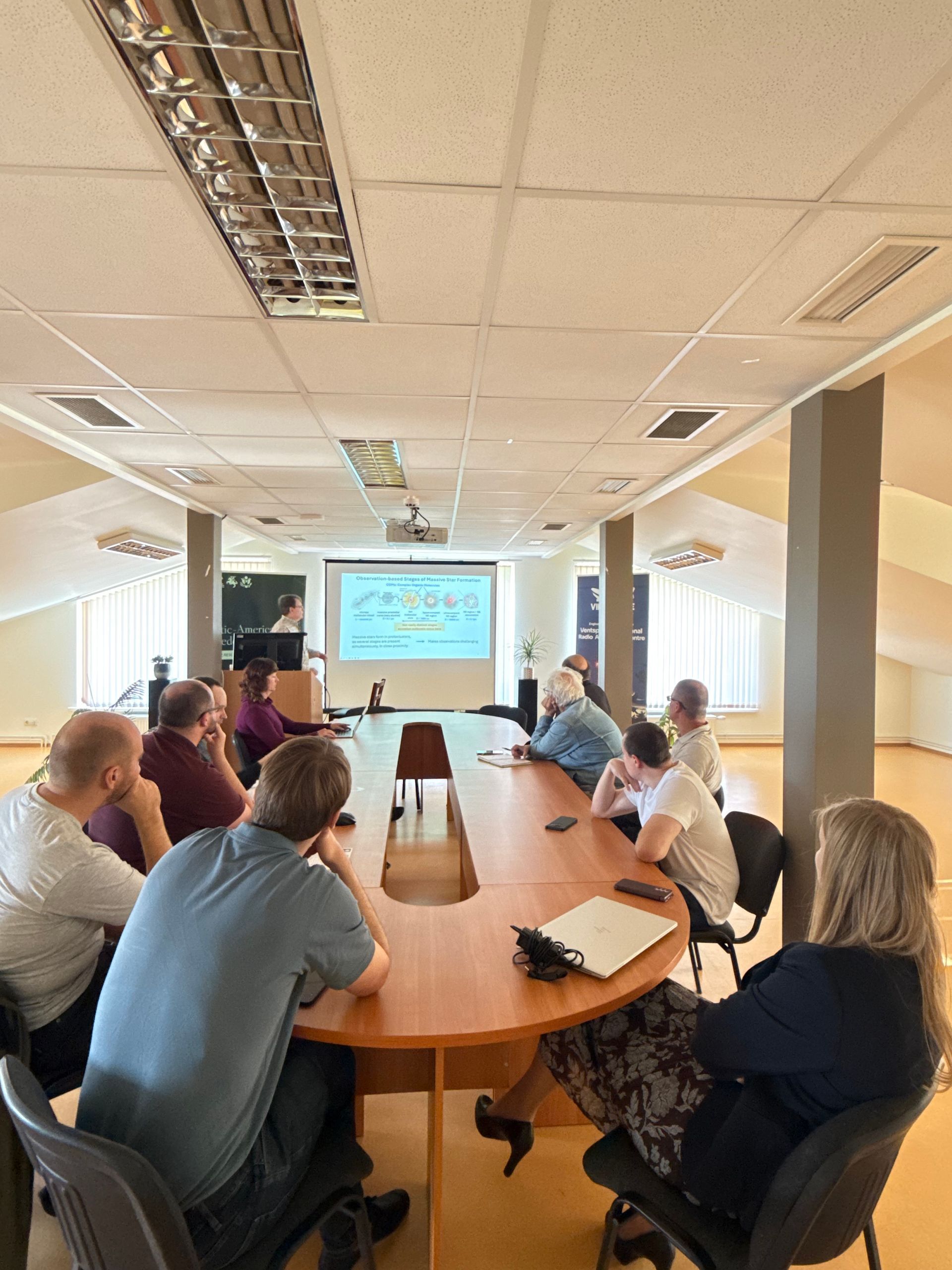
On 24 September, Ventspils University of Applied Sciences hosted the international scientific seminar “Massive Star Formation – Latest Research and Developments”, bringing together researchers from the Institute of Engineering Sciences “Ventspils International Radio Astronomy Centre” (VIRAC) at Ventspils University of Applied Sciences, as well as guest researchers from the United States. The seminar focused not only on the latest advances in massive star formation research and radio astronomy, but also on knowledge exchange, cooperation, and the development of new research opportunities. Meetings with internationally recognised experts in the field provided an opportunity to discuss current research methods and technological developments, share experience, and explore possibilities for future cooperation. The seminar was attended by scientist Dr Todd R. Hunter and senior astronomer Dr Crystal L. Brogan from the National Radio Astronomy Observatory (NRAO), USA. Both scientists introduced participants to current research in radio astronomy and state-of-the-art observational infrastructure, which enables increasingly precise exploration of the Universe and the processes involved in star formation. Dr Todd R. Hunter delivered a presentation entitled “Exploring the Universe at Centimeter Wavelengths: The Next Generation Very Large Array”, introducing the capabilities of next-generation radio astronomy infrastructure and its potential for future studies of the Universe. Dr Crystal L. Brogan, in her presentation “Searching for Our Cosmic Origins Using the Atacama Large Millimeter/submillimeter Array”, focused on the opportunities offered by the ALMA observatory in Chile for modern radio astronomy and its importance in studying star formation processes and seeking answers to questions about our cosmic origins. The seminar also plays an important role in strengthening the research capacity of Ventspils University of Applied Sciences and VIRAC. The opportunity for researchers to engage in discussions with internationally recognised radio astronomy experts here in Ventspils facilitates the exchange of knowledge and experience, helps researchers keep pace with the latest research methods and technological innovations, and promotes the increasingly close involvement of Latvian researchers in the international radio astronomy research community. The event was organised within the framework of the project “International Cooperation and Innovation of Ventspils University of Applied Sciences for the Development of Latvia’s Smart Specialisation” (No. 1.1.1.5/3/25/I/012).
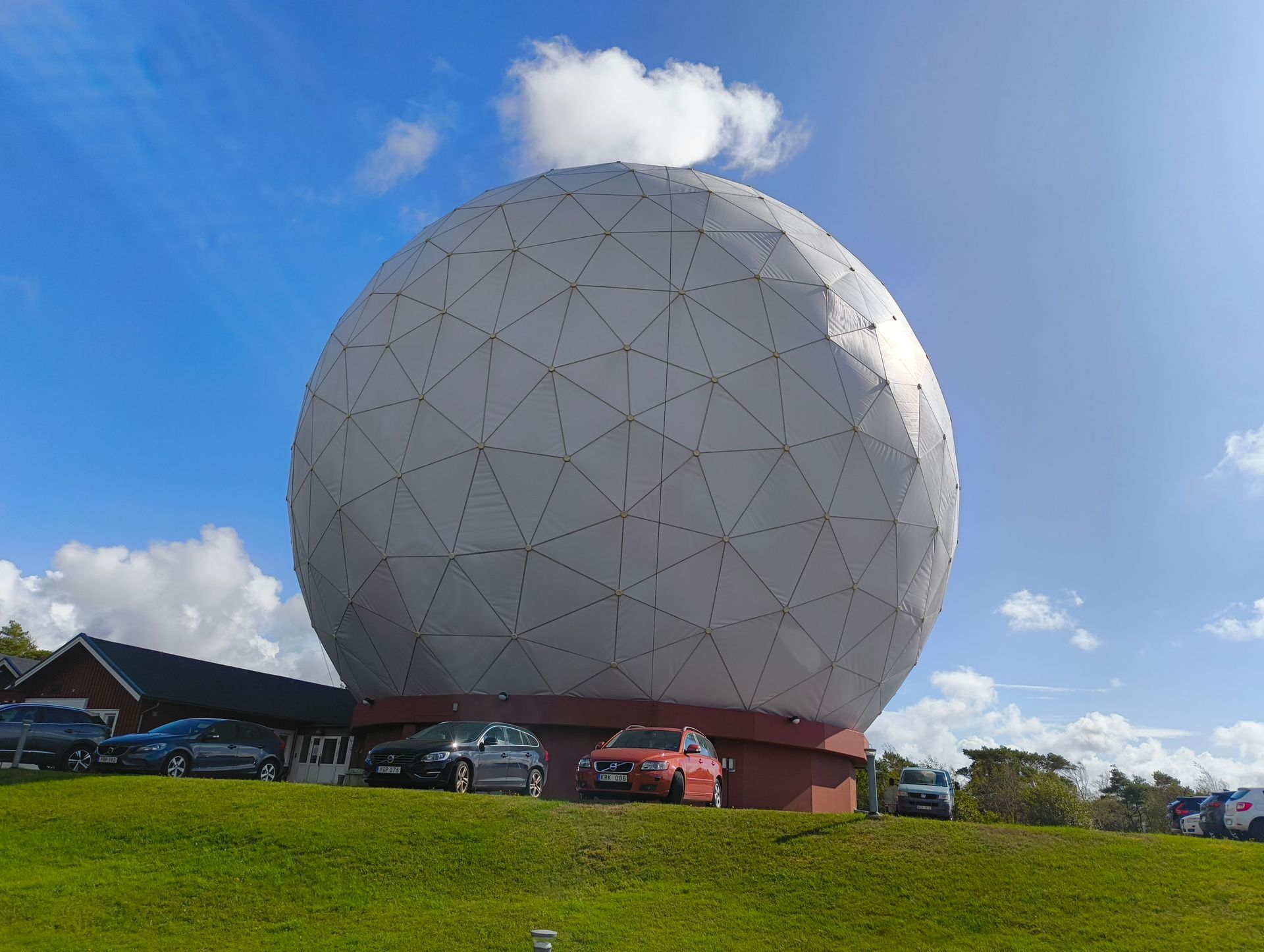
A workshop was held at the Onsala Space Observatory to strengthen cooperation between the Ventspils International Radio Astronomy Centre (VIRAC) and the Onsala Space Observatory (OSO). During the workshop, representatives of both VIRAC and OSO presented their scientific activities and key research areas. OSO Director John Conway provided an overview of the scientific and technical activities of the Onsala Space Observatory, while VIRAC researcher Vladislavs Bezrukovs joined remotely to present VIRAC’s achievements. Jānis Šteinbergs presented the Irbene single-baseline interferometer, explaining its operating principles and potential areas of application. OSO researcher Jun Yang introduced interferometry research conducted at the Onsala Space Observatory, while Jesus A. Cazares Montes presented VIRAC’s pulsar research and related areas of cosmological research. Significant attention was also devoted to the potential applications of the LOFAR infrastructure. OSO Senior Researcher Tobia Carozzi presented the use of LOFAR for detecting objects in near-Earth space, as well as its potential for receiving and decoding communication signals. The discussions also addressed topics related to LOFAR beamforming modelling. During the round-table discussions, participants explored opportunities for future cooperation between VIRAC and OSO, including joint research projects and the use of radio astronomy infrastructure. As the Onsala Space Observatory serves as the Nordic ALMA Regional Centre node, potential cooperation involving observational opportunities with the ALMA telescope was also discussed. The workshop contributed to strengthening Latvia’s participation in international research initiatives, while also enhancing the country’s scientific competitiveness in astronomy and its international visibility. This information has been prepared within the framework of the project “Ventspils University of Applied Sciences` International Cooperation and Innovation for the Development of Latvia’s Smart Specialisation” (Project No. 1.1.1.5/3/25/I/012).
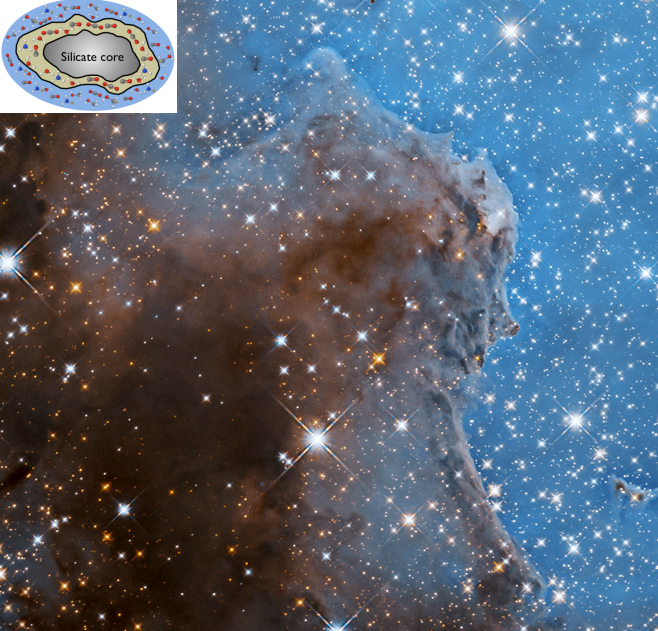
Astronomers may have found a new way to uncover the hidden history of star formation by studying something surprisingly simple: cosmic ice. In a new study published in the journal Astronomy & Astrophysics, Ventspils International Radio Astronomy Centre leading researcher Juris Kalvāns investigated how dense, dark central regions inside interstellar clouds, condense before they eventually give rise to new stars. The research examined the chemical fingerprints preserved in ice coatings on interstellar dust grains. The study computationally tested five different scenarios for how a cloud core's density might increase over time, including gradual growth, rapid compression, and gravitational collapse. By comparing simulations with radio astronomical observations of interstellar ices such as water, the research determined which formation histories most closely match real cosmic clouds. The results suggest that the most likely path is neither an undisturbed gravitational collapse nor a sudden shock-driven compression, but a relatively smooth evolution lasting about two million years, featuring around one million years of active contraction. It may seem long but remember that the Solar System is 4.56 billion years old, and its formation over several million years actually was a rather rapid event.
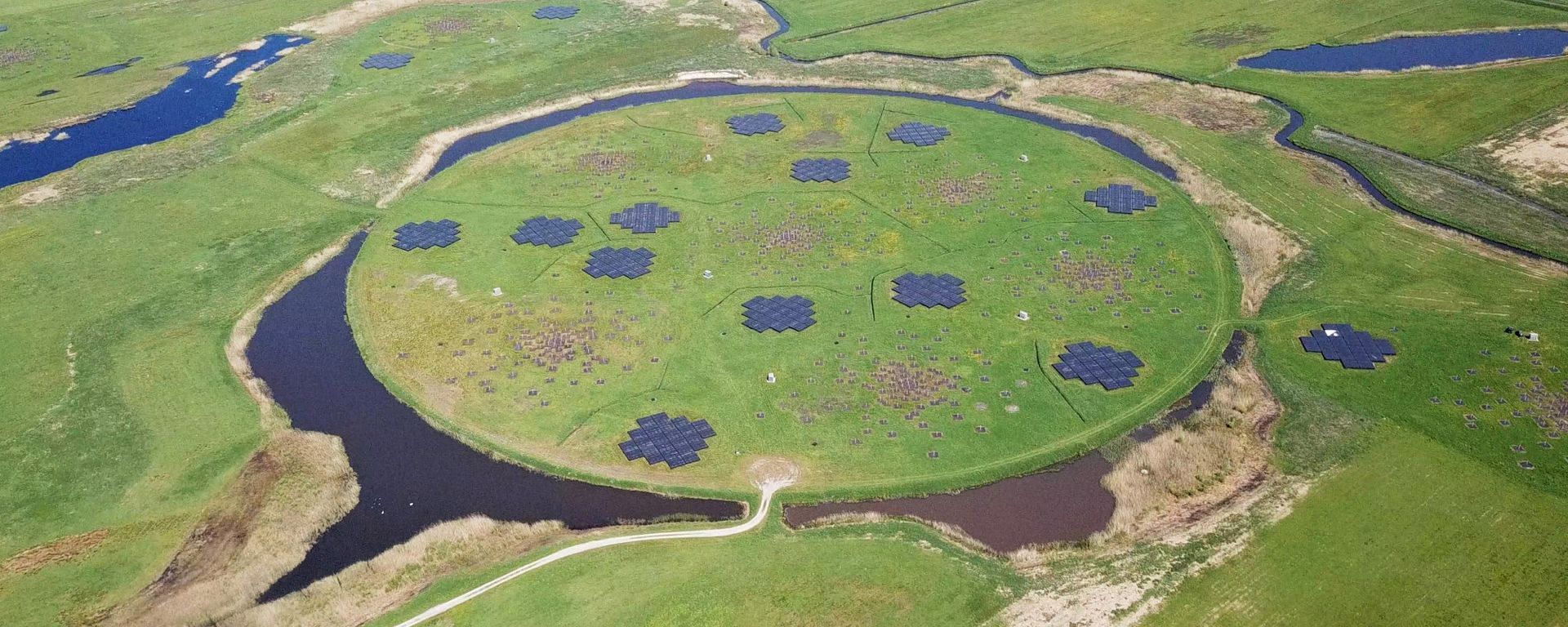
From searching for the Universe's earliest signals to tracking mysterious cosmic flashes, Europe's LOFAR radio telescope continues to deliver groundbreaking scientific results. Researchers gathered at the LOFAR Annual Meeting 2026 to present the latest discoveries and discuss how the next generation of the telescope, LOFAR 2.0, will expand our view of the cosmos. LOFAR (Low Frequency Array) is the world's largest radio telescope operating at very low radio frequencies. Rather than relying on a single giant dish, it combines thousands of antennas spread across eight European countries, including a station in Latvia's radio astronomy complex in Irbene. Together, these stations act as one enormous telescope capable of detecting some of the faintest radio signals in the Universe.
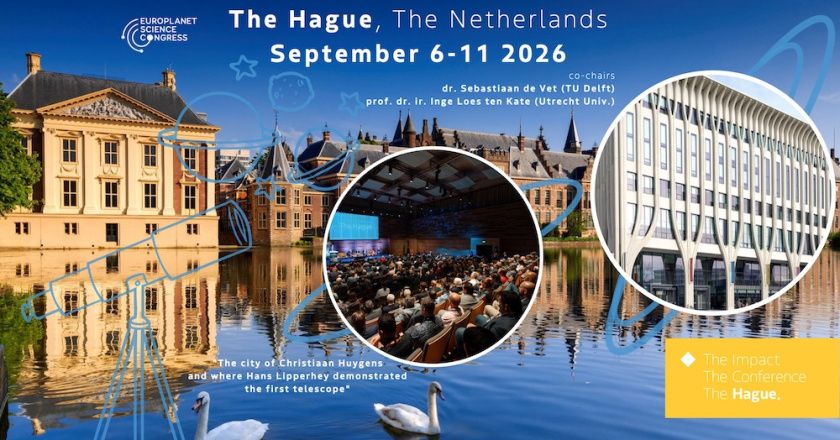
In September Gints Jasmonts, a Research Assistant at the Ventspils International Radio Astronomy Centre of the Institute of Engineering at Ventspils University of Applied Sciences, participated in the Europlanet Science Congress (EPSC 2026) conference in The Hague, the Netherlands. EPSC is one of Europe’s major annual meetings for planetary science, bringing together researchers working on Solar System bodies, exoplanets, space missions, instrumentation and modelling through scientific presentations, workshops and community events. At the congress, he presented the work “Visualizing Inner-Coma Dust Activity for Optical Instruments Observing Dynamically New Comets”, focused on modelling cometary activity and synthetic observations of previously unknown cometary targets. Participation in EPSC provided an opportunity to discuss ongoing research with international experts, receive feedback on the presented work and establish contacts for potential future collaborations. Such cooperation is especially important for identifying complementary datasets and obtaining valuable observational data for independent validation of new research results. The wider conference programme also highlighted the close links between planetary science, numerical modelling and radio astronomy. This is particularly relevant to research at VIRAC, where observations with the Irbene radio telescopes can complement optical and spacecraft measurements of Solar System objects. Combining observations obtained at different wavelengths with numerical models can provide a more complete picture of the environments and processes studied by current and future planetary missions. This will promote the development of scientific competencies among the new generation, provide access to international research infrastructures, and strengthen Latvia's position in the field of global radio astronomy. More about conference: https://www.epsc2026.eu/ This content was prepared as part of Project No. 1.1.1.5/3/25/I/012 “Ventspils University of Applied Sciences` International Cooperation and Innovation for the Development of Latvia’s Smart Specialisation”.
On 24 September, Ventspils University of Applied Sciences will host the international scientific seminar “Massive Star Formation – Latest Research and Developments”, organised by the Ventspils International Radio Astronomy Centre (VIRAC). The seminar will bring together researchers and those interested in research with visiting scientists from the United States. The seminar will feature scientist Dr Todd R. Hunter and Lead Astronomer Dr Crystal L. Brogan from the U.S. National Radio Astronomy Observatory (NRAO). The guests will present current research in radio astronomy, state-of-the-art observational infrastructure, and the opportunities it provides for studying the Universe and the processes of star formation. Dr Todd R. Hunter will give a presentation entitled “Exploring the Universe at Centimeter Wavelengths: The Next Generation Very Large Array”, while Dr Crystal L. Brogan will present “Searching for Our Cosmic Origins Using the Atacama Large Millimeter/submillimeter Array”. The seminar will provide researchers with an opportunity to discuss the latest research findings and methods with internationally recognised experts in radio astronomy, as well as to explore opportunities for future scientific collaboration. Such international knowledge-exchange activities strengthen the research capacity of Ventspils University of Applied Sciences and promote the involvement of Latvian researchers in the international radio astronomy research community. This information has been prepared within the framework of the project “Ventspils University of Applied Sciences` International Cooperation and Innovation for the Development of Latvia’s Smart Specialisation” (Project No. 1.1.1.5/3/25/I/012).
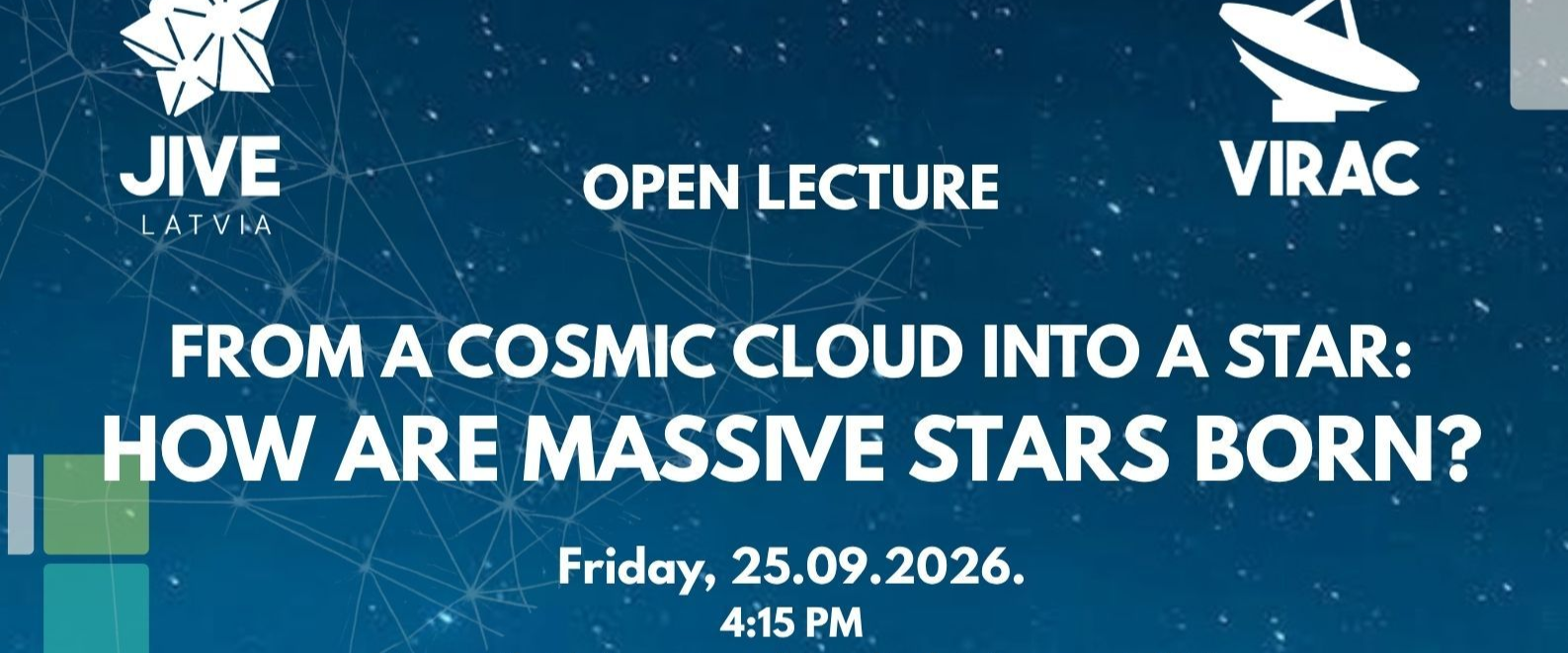
On Friday, 25 September, at 16:15, Ventspils University of Applied Sciences invites everyone interested to attend the popular science open lecture “From Cosmic Cloud to Star: How Massive Stars Are Born”. The lecture will offer an engaging and accessible introduction to how massive stars are born, how astronomers are able to observe their formation, and what these studies can reveal about the origins and evolution of our Universe. The lecture will be delivered by guests from the U.S. National Radio Astronomy Observatory (NRAO) – scientist Dr Todd R. Hunter and Lead Astronomer Dr Crystal L. Brogan. Both researchers use modern radio astronomy techniques to study star formation and processes taking place throughout the Universe. The lecture is particularly suitable for astronomy enthusiasts as well as anyone interested in space and the methods scientists use to explore the Universe. No prior knowledge of astronomy is required. The lecture will be held in English, and participation is free of charge. The open lecture will complement the European Researchers’ Night programme in Ventspils. After the lecture, participants will have the opportunity to continue exploring science at the VIZIUM Science Centre, where European Researchers’ Night activities will take place. This information has been prepared within the framework of the project “Ventspils University of Applied Sciences` International Cooperation and Innovation for the Development of Latvia’s Smart Specialisation ” (Project No. 1.1.1.5/3/25/I/012).